
By CEDIA - Jun 25, 2026 • Blog, Installation Guides and FAQ's
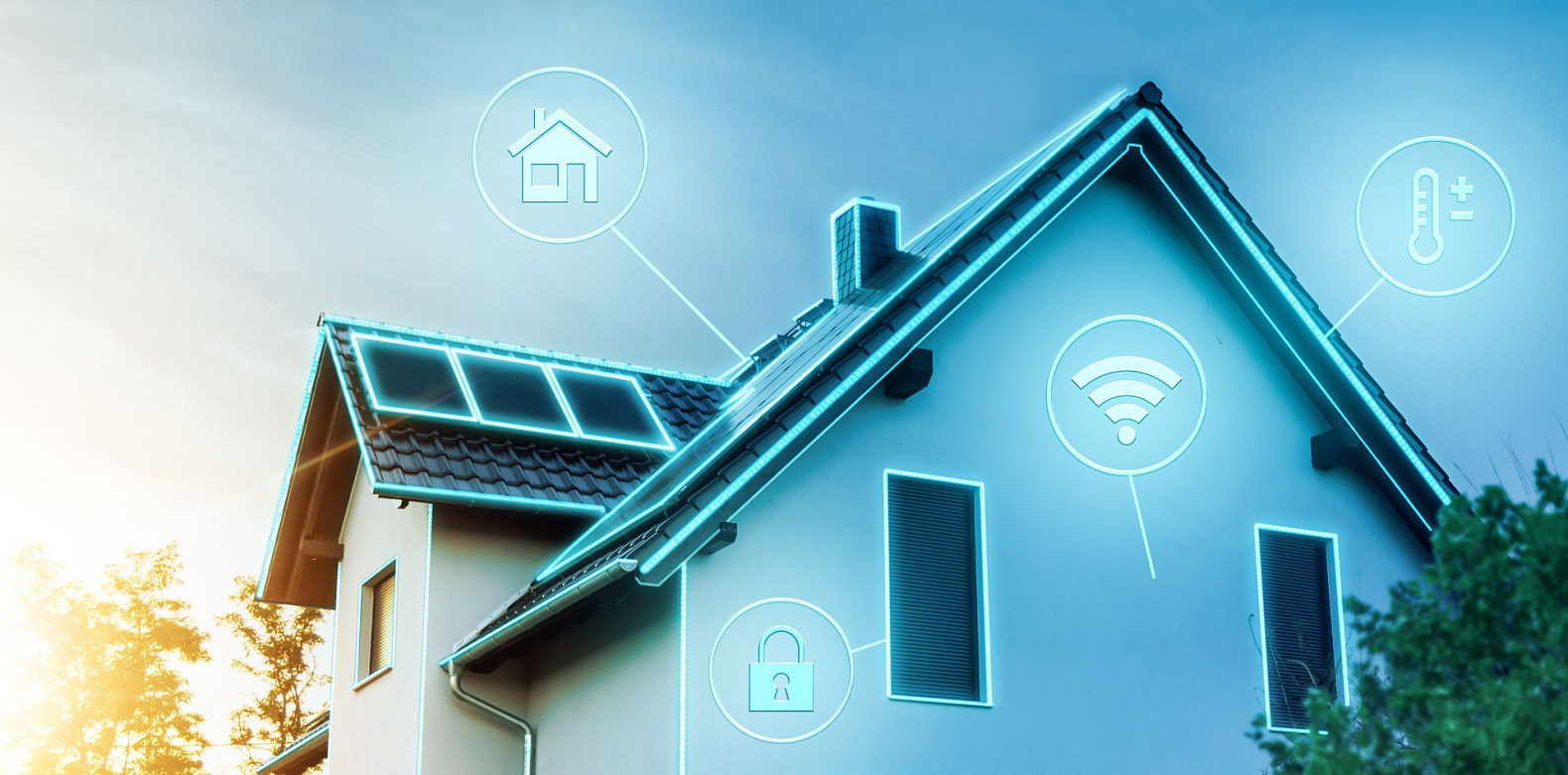
While smart home customers might be focused on the devices themselves, it’s easy to overlook the glue that holds them all together: smart home protocols. From power demands to compatibility, the right smart home protocol can make or break a home installation project.
In this guide, we’ll look at the key players, including Zigbee vs Z-Wave vs Thread. Find out more about how to choose the right wireless protocol to meet your customers’ needs.
Wireless protocols are essential for fully functioning smart homes, allowing disparate devices to communicate and operate securely. They can impact both integrators and customers, governing:
Choosing the right protocol avoids the abovementioned issues, such as connectivity or future-proofing. In turn, installers who educate themselves on these protocols will save on long-term maintenance costs.
The commonest set of standards for smart home protocols includes Zigbee, Z-Wave and Thread.
Zigbee is a wireless mesh networking protocol specifically designed for IoT data networks. Using the IEEE 802.15.4 specification, it works with a large range of devices including smart lighting and sensors. It operates in the 2.4 GHz band, having seen multiple iterations since the 1990s.
Z-Wave is a low-power protocol designed for home automation, often used in security devices. It operates on a Sub-GHz frequency, using RF communications technology. It is fully interoperable with more than 4,000 certified products on the market.
Thread is an IP-native protocol that is ultra-low-power. Designed for modern IoT devices, it is an IPv6-based network that provides seamless connectivity without a central hub. It is growing in use, alongside other open-source standards such as Matter.
Installers need to consider four key factors when choosing the right smart home protocols for their customers.
Some wireless protocols are better suited to mainstream, mid-market home devices such as Philips Hue lighting. Others may be use-specific, such as Z-Wave for security.
Property size will be a deciding factor for wireless protocols. Those with larger homes may be more susceptible to interference or dropouts, so they will prefer Sub-GHz protocols.
If customers are brand-agnostic, they may prefer a mixture of devices. Compatibility is key here, as well as long-term plans. Do customers want to stick with the devices they have, or scale in the future?
Those with more ambitious projects may opt for protocols like Thread. These may offer more flexibility as they have no proprietary hubs, and are gaining popularity along with Matter devices.
| Protocol/feature | Frequency | Network type | Interoperability | Power consumption | Typical use |
|---|---|---|---|---|---|
| Zigbee | 2.4 GHz | Mesh | Moderate | Low | Lighting, sensors |
| Z-Wave | Sub-GHz | Mesh | Strong certification | Low | Security, automation |
| Thread | 2.4 GHz | Mesh | IP-native | Ultra-low | Future Matter devices |
From better customer service to reduced callout times, performance is the #1 KPI for integrators. Range, reliability and power may impact the final decision.
In properties where walls are thicker or devices are spaced further apart, Z-Wave’s Sub-GHz frequency is the preferred choice. Conversely, Zigbee and Thread use denser mesh networks.
While all three protocols provide reliable mesh networking, installers need to consider other obstacles. Device placement and network planning are essential, so we need to think about how home design could impact signals.
Battery-powered devices can function well on Zigbee, Z-Wave and Thread protocols. The key difference is overall consumption. Thread’s ultra-low, energy-efficient design will work better if the customer leans heavily on batteries.
Matter is growing in popularity and influencing how protocols are chosen. Primarily, it works through Thread or Wi-Fi as transport layers, but it can also integrate with Zigbee or Z-Wave via a bridge setup.
At present, many smart homes are running multiple protocols at once, with Zigbee and Z-Wave taking centre stage. Conversely, Matter is a future standard, and is ideal for those looking to future-proof or upgrade projects.
First published in 2019, Matter is a smart home connectivity technical standard. Using one common language for smart home devices, it allows multiple ecosystems like Apple, Amazon and Google to connect.
Ultimately, the right smart home protocol will depend on your client’s preferences. Every project will need to consider the property size, number of devices and their current smart home ecosystem. If yours is a more ambitious client, they may have plans to expand in future – which could impact your decision.
Discuss your client’s priorities openly and use this guideline if they’re not sure:
|
Zigbee |
Z-Wave |
Thread |
|---|---|---|
|
Strong device ecosystem |
Reliable automation networks |
Emerging future-proof option |
When planning in smart home protocols, integrators should always:
There’s no one right answer when it comes to Zigbee vs Wave vs Thread. Be honest with your clients about their project expectations, including ecosystem integration and future plans. This will help them choose the strongest wireless protocol for their needs. To find out more about the latest advances in smart home protocols, join CEDIA today.
Join CEDIA
Sun, Oct 25, 2026
Why the Smart Home Industry Deserves Its Own Day
Wed, Oct 21, 2026
Smart Home Day: Everything You Need to Know
Wed, Oct 21, 2026
How to Work with Architects
Wed, Oct 14, 2026
Winners of the 20th CEDIA Smart Home Awards EMEA 2026 Revealed
Tue, Oct 13, 2026
Do’s and Don’ts from a Residential Designer
Fri, Oct 9, 2026
How CEDIA Certification Can Change Your Business