By CEDIA - Apr 26, 2026 • Last Updated: Jun 18, 2026 • Blog
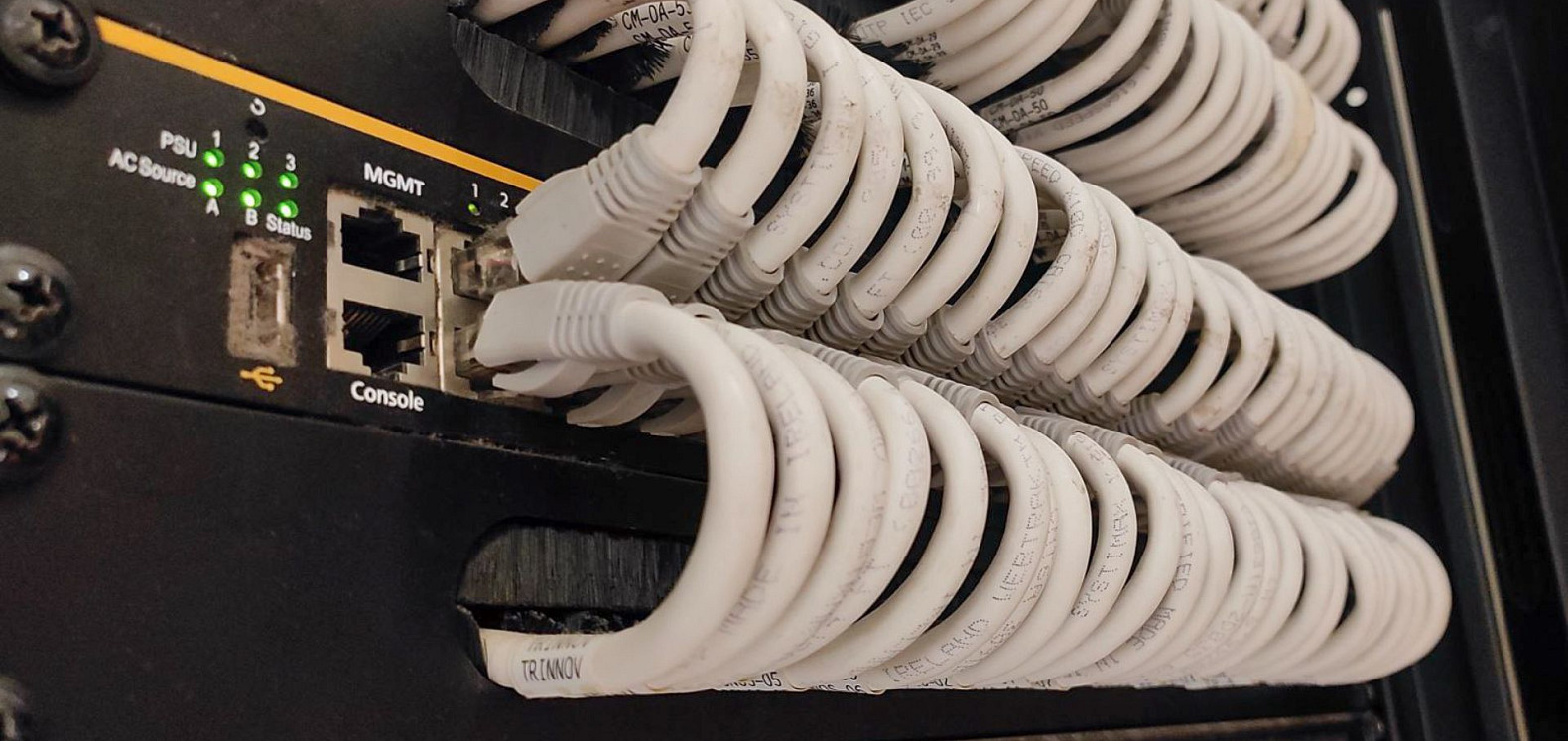
When it comes to installing robust integrated technology, it’s what goes on behind the scenes that counts. Smart home wiring may not be visible to the naked eye, but without good practices, homes risk reliability, performance and scalability.
In this smart home wiring guide, we’ll look at the what, where and why – from speaker cables to Ethernet, fibre, PoE and control wiring. Discover how to install efficiently for future-proof setups and fewer call-outs.
While wireless systems offer convenience, the real foundations come from well-installed, hidden wired infrastructure. Uptime is virtually guaranteed thanks to PoE power delivery, combined with high-bandwidth AV and low-latency control.
This versatile combo also gives homeowners a solid starting point for future technologies – ideal for scaling and reducing call-outs.
On the flipside, bad smart wiring decisions can lead to:
By wiring smartly, integrators can increase device lifespans, giving homeowners freedom to scale and upgrade at their own pace.
| Type of cable | Use | Added value for homes |
|---|---|---|
|
Cat6/Cat6A Ethernet |
Networking, Power over Ethernet (PoE), control |
Gold standard for modern smart homes |
|
Coax (selective) |
Antennae or legacy feeds |
Still applicable in some regions |
|
Fibre optic |
Standard/long runs |
Future-proof, high bandwidth applications |
|
HDMI/AV cabling |
Media rooms |
Supports high-res AV |
|
Low-voltage |
Sensors and keypads |
Enables flexible automation |
|
Speaker cable |
Distributed audio |
More reliable than wireless speakers |
Whether it’s a standard Cat6 or a legacy coax cable, the best practices remain the same for installers. Every setup should have cables home-run to a central rack or wiring closet. This keeps infrastructure hidden from everyday view, and makes it easier for future upgrades and integrator access.
In the same vein, these cables should be appropriately labelled. Both ends should accurately describe the cable type and function to help future projects.
Top-priority areas in the home, for example, those with high footfall or multiple devices, will have additional wiring needs. Integrators should take these into consideration when working with design teams, and keep customers informed.
Rooms with a large number of devices should run multiple Ethernet cables behind large screens. Rear speakers should be wired back to the hub position, while the speaker socket should be in the main viewing location for central audio. This will provide a conduit for future AV formats.
Ethernet cables are standard practice for bedrooms that double up as home offices. These can also be used as control systems for motorised shading, such as Lutron Homeworks, Control4 or Crestron.
In addition to CAT6 cables, low-voltage control cables are a strong choice for keypads. These allow for extra effects like dimming.
For touchscreens and sensors, PoE cables are the best choice. Again, control systems work well to support devices including thermostat touch panels.
Where audio zoning is in place, integrators should think about flush-mount speakers or other challenging areas, such as tabletop speakers or wired rear speakers.
Cameras, gates and outbuildings are best served by Ethernet cables. For properties requiring long-distance runs, fibre optic is the ideal choice. Any after-market installations using a police response will need an extra security risk assessment.
Remember, the more wires that are installed today, the better value the smart home project. Unused cables are far cheaper than removing walls in future!
As the industry standard, PoE offers reliability and scalability, ideal for smart switch wiring projects.
Power over Ethernet (PoE) combines multiple functions for uptime and ease of installation. Delivering both power and data over Ethernet, PoE is ideal for:
To stay ahead of the curve and reduce costs, integrators should future-proof wherever possible. This includes installing a conduit when appropriate, allowing for as yet undeveloped technologies.
Cat6A or fibre optic cabling will stand the test of time better than minimum-spec cabling, saving costs in the long term.
As with any smart home integration project, documentation is essential. Store this securely but accessibly, looking at factors like cable paths, rack layout and network schemes.
We cannot be expected to predict the future of smart home technology, but we can keep our options open. Being prepared is the easiest way to save costs and continue delivering the best service possible.
Before walls are closed, integrators should assure the following have been completed with homeowners:
At CEDIA, we regularly publish guidelines on best practices for smart home infrastructure. Stay one step ahead and become a member today to find out more.
Wed, Oct 21, 2026
Smart Home Day: Everything You Need to Know
Wed, Oct 21, 2026
How to Work with Architects
Tue, Oct 13, 2026
Do’s and Don’ts from a Residential Designer
Fri, Oct 9, 2026
How CEDIA Certification Can Change Your Business