Nov 23, 2026 • Last Updated: Nov 24, 2026 • Blog, Business Support

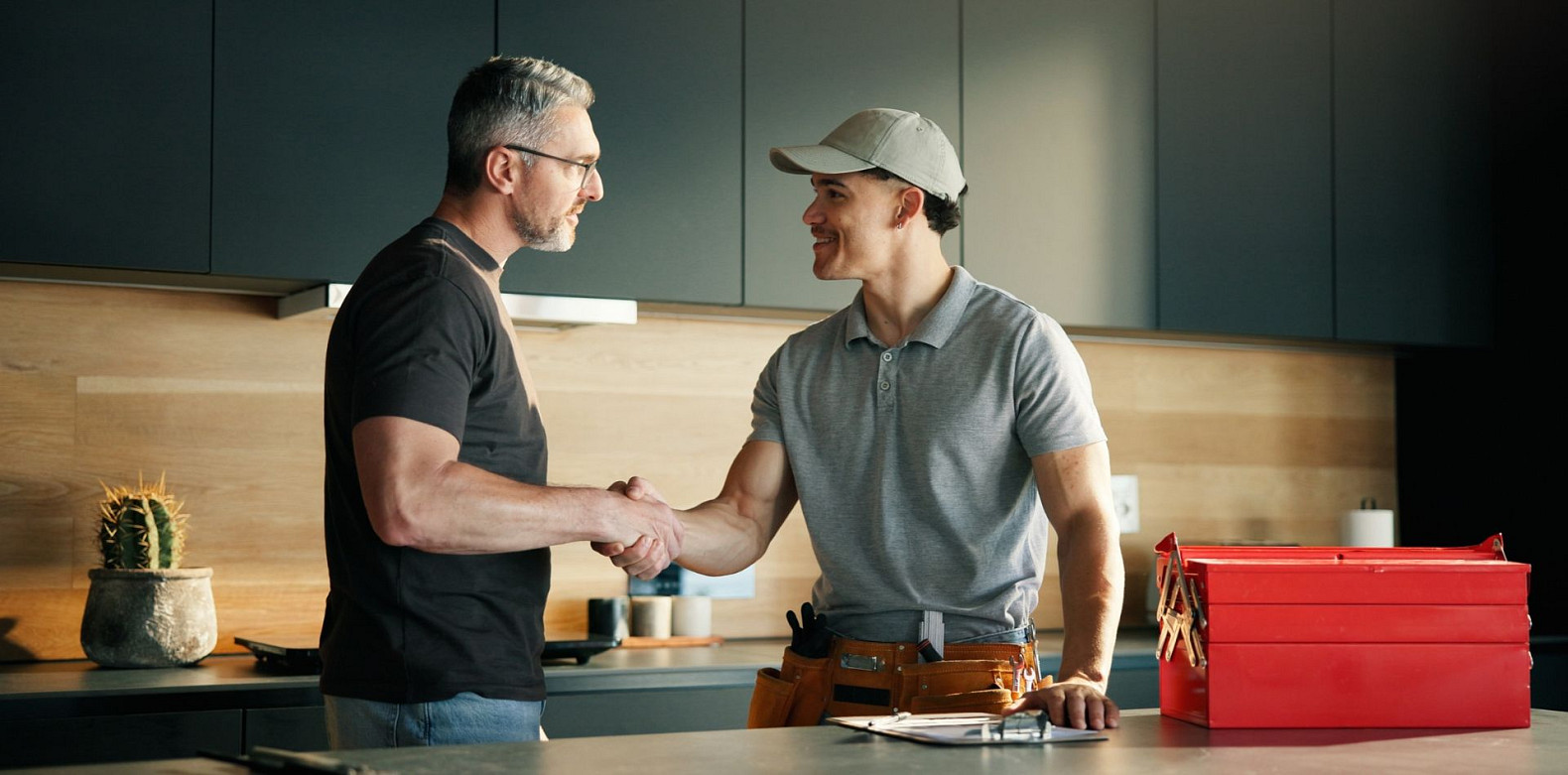
For smart home integrators, completing an installation is a significant milestone. But what happens after the project is finished?
As homeowners become increasingly reliant on connected technology for entertainment, security, lighting, heating and everyday convenience, ongoing maintenance and support are becoming an important part of the customer experience.
For integration businesses, this presents an opportunity to look beyond one-off installations and develop longer-term relationships with customers.
Could smart home maintenance and aftercare become one of the most valuable services your business offers?
A professionally installed smart home brings together multiple technologies to create a connected living experience. However, like any technology, these systems may require ongoing attention to maintain their performance and reliability.
Software updates, network changes, equipment upgrades and evolving customer requirements can all affect how a smart home operates over time.
Without a structured approach to maintenance, integrators may find themselves responding to unexpected support requests long after the original installation has been completed.
This raises an important question: should maintenance simply be something businesses respond to when problems occur, or could it become a more proactive part of their service offering?
Explore CEDIA’s guide to changing smart home installation trends for more context on evolving technology and customer requirements.
Traditionally, many integration businesses have operated a reactive support model, responding when a customer reports an issue.
Whether it’s a connectivity problem, an unresponsive control system or equipment that has stopped working, support is provided once something goes wrong.
Proactive smart home maintenance takes a different approach.
Rather than waiting for problems to develop, integrators can offer ongoing support designed to identify potential issues, maintain system performance and help customers get the most from their technology.
This shift could offer several advantages:
However, moving from reactive support to a proactive maintenance model requires careful consideration of how services are delivered, managed and valued.
Understanding the difference between reactive and proactive smart home maintenance can help you define your aftercare offering.
For many smart home integrators, revenue is closely tied to new installations, system upgrades and project work.
But what if existing customers could also provide a more consistent source of business?
Maintenance and aftercare services offer the potential to develop recurring revenue through ongoing support arrangements, helping businesses build more predictable income alongside their installation projects.
They can also provide opportunities to strengthen customer loyalty, identify changing technology requirements and maintain relationships that may lead to future projects.
The opportunity is not simply about charging customers for maintenance. It’s about demonstrating the ongoing value of professional smart home integration.
Of course, creating a successful aftercare service raises important questions.
What should a maintenance agreement include? How should services be priced? What level of support should customers expect? And how can businesses deliver these services profitably?
These are considerations that every integrator looking to develop their aftercare offering should explore.
For a broader view of opportunities for smart home integration businesses, explore CEDIA’s UK market analysis findings alongside your own customer enquiries and service records.
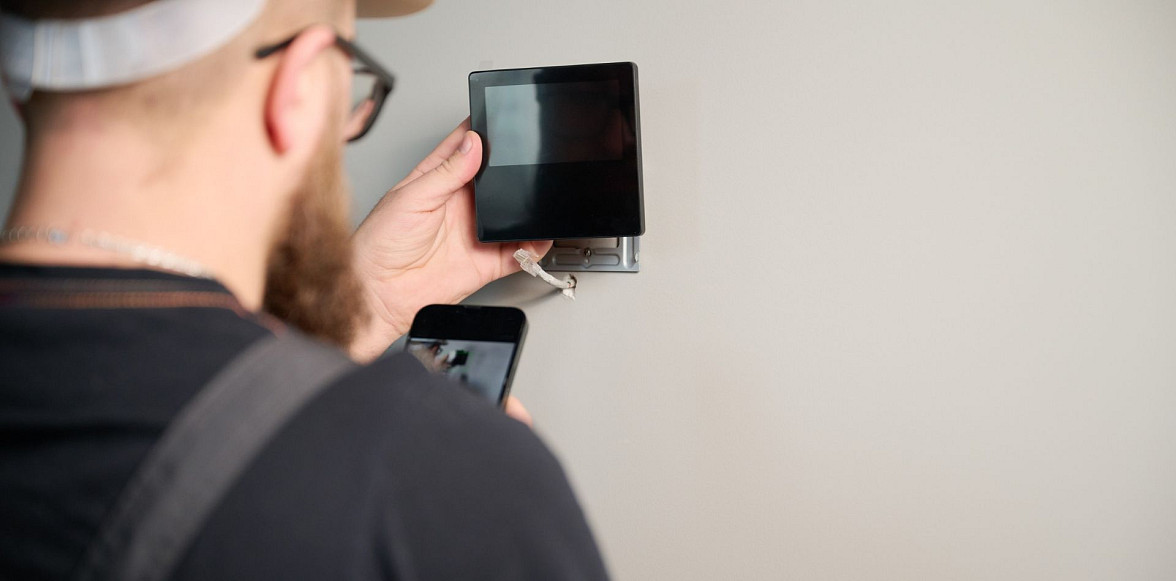
Aftercare is easier to explain when it forms part of the original project conversation. Ask how the household expects to use its technology and what would happen if a key system became unavailable. A client who works from home may have different support priorities from someone commissioning an occasional-use entertainment room.
At handover, the installation team should give the service team enough information to support the system. Equipment records, current configuration backups, warranty details and agreed access arrangements can reduce the time spent reconstructing a project when help is needed.
The customer also needs a clear route for requesting support. Explain who to contact, what information to provide and which hours are covered. A straightforward handover helps turn an aftercare agreement into a service the homeowner knows how to use.
Recurring revenue is only useful if the business understands the cost of delivering the work. Planned visits, remote support, travel, monitoring tools and administration all take resources. Existing support records can help reveal how much time different types of installation require.
Consider starting with a defined group of existing clients or similar systems. This gives the team a chance to test the scope, record actual support demand and refine its process before offering the service more widely. Avoid promising unlimited support without understanding the staffing and cost implications.
Regular contact can also reveal changing customer needs. A room may have become a home office, the household may have added connected equipment or a product may be approaching the end of manufacturer support. Discussing these changes helps clients plan appropriate upgrades, while keeping maintenance charges and additional project work clearly separate.
As smart home technology continues to evolve, the relationship between integrators and their customers doesn’t have to end when an installation is completed.
Businesses that recognise the value of ongoing maintenance and aftercare may be better positioned to strengthen customer relationships, create new revenue opportunities and deliver long-term value.
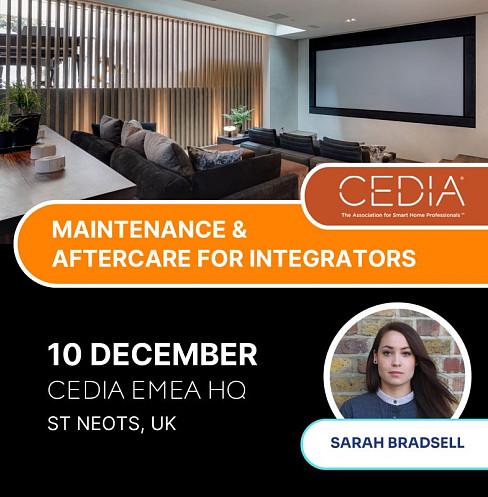
For integrators interested in developing this side of their business, CEDIA’s Maintenance & Aftercare for Smart Home Integrators training course provides an opportunity to explore the practical and commercial considerations involved.
Taking place on 10 December 2026 at CEDIA’s UK Training Centre in St Neots, the course explores how integrators can approach maintenance services, aftercare agreements and recurring revenue opportunities.
Connected systems can be affected by software updates, network changes, ageing equipment and new customer requirements. Aftercare gives the customer an agreed route for support and helps the integrator plan ongoing work.
It can when customers choose an ongoing agreement. Profitability depends on service scope, pricing, staffing, tools and the actual support demand; recurring fees alone do not guarantee a profitable service.
Discuss aftercare during project planning and confirm the agreement at handover. Explain how the customer will request help, what is covered and how future changes will be charged.
Tue, Nov 24, 2026
Reactive vs Proactive Smart Home Maintenance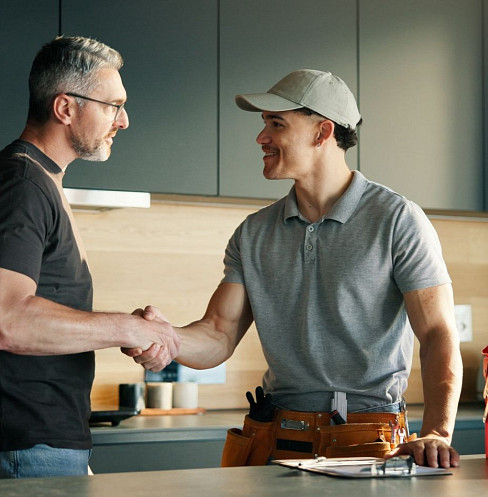
Mon, Nov 23, 2026
Smart home maintenance beyond installation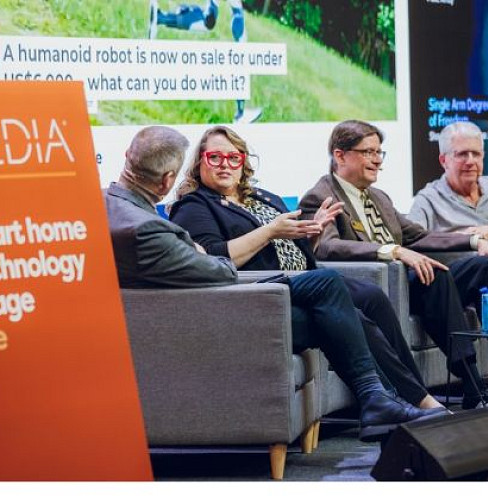
Mon, Nov 23, 2026
CEDIA Announces Robust Education Conference Programme for ISE 2027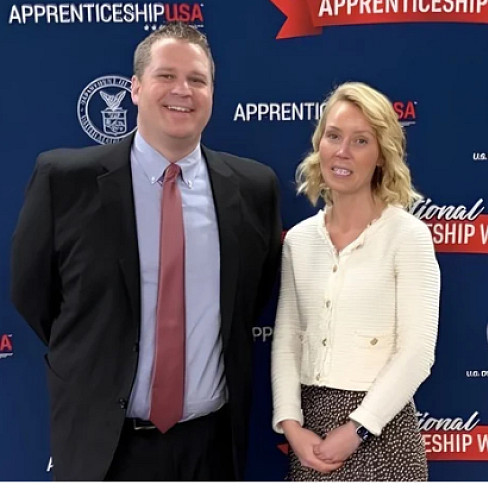

Thu, Nov 5, 2026
CEDIA Names Jessa Foor Vice President of Marketing & Communications