
By CEDIA - Fri, Jan 16, 2026 - Blog
Just as home automation technology develops, so too do security threats. This is why firmware management is essential. Keeping on top of updates can enhance your customers’ device performance and reduce callouts.
But it’s not without risk. If poorly managed, updates may disrupt automation systems. In this guide, we’ll show you the best practices for testing, scheduling and communicating firmware updates. Build recurring revenue through structured maintenance plans with these tried-and-tested methods.
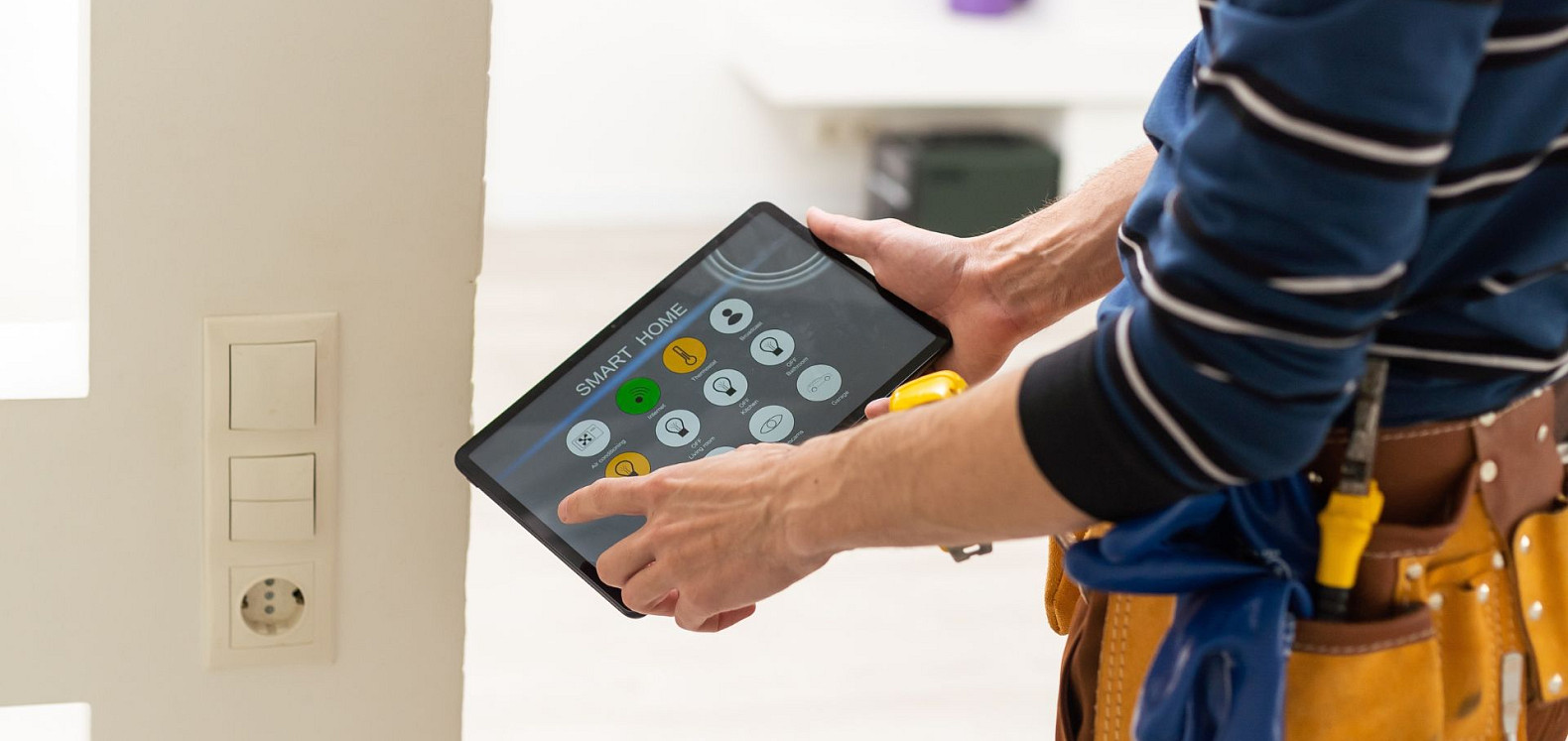
Smart home firmware updates can be a blessing and a curse. According to professional forums, firmware management is one of the top frustrations for installers. While they improve security and patch bugs, they may also cause smart devices to:
If a manufacturer rolls out updates too quickly – without adequate regression testing – this can cause problems. Instead, integrators should treat updates as controlled maintenance rather than random events.
This proactive approach protects system stability. In turn, it will build client trust and maintain your reputation as an installer.
Firmware management is not a ‘set and forget’ task. Rather, it’s a consistent standard outlined by professionals. Integrators should be wary of pitfalls such as:
With the right support, firmware updates can be a revenue driver, rather than a reactive fix.
To keep your clients happy and their tech working, you should have a proactive firmware management process in place:
Recreate your client’s setup remotely to trial firmware without affecting their devices.
Give updates a ‘bedding in’ period after manufacturers’ release, where they can gain feedback or report issues.
Arrange updates for times of low activity or client-approved windows.
Keep a record of firmware versions, dates of updates and any changes in functionality.
Communicate with your clients – send them release summaries and potential benefits before you deploy.
Maintain backups or older firmware, ready to revert if anything goes wrong.
Explain why updates are important to maintain reliability, protecting their smart home investments.
With these structured steps in place, you can anticipate issues before they turn into risks.
Maintenance should be an opportunity to upsell, preventing costly callouts and maintaining your revenue stream. Offer firmware management plans as part of your support contracts.
These plans should include regular update audits, remote diagnostics and priority scheduling. You should reinforce the value this brings your clients: an insurance policy for uptime, stability and performance.
In tandem, they’ll feel more confident with their devices and you’ll cement your role as a trusted technology partner.

Thu, Apr 2, 2026
CEDIA Announced as Official Technology Sponsor of WOW!house 2026
Mon, Mar 30, 2026
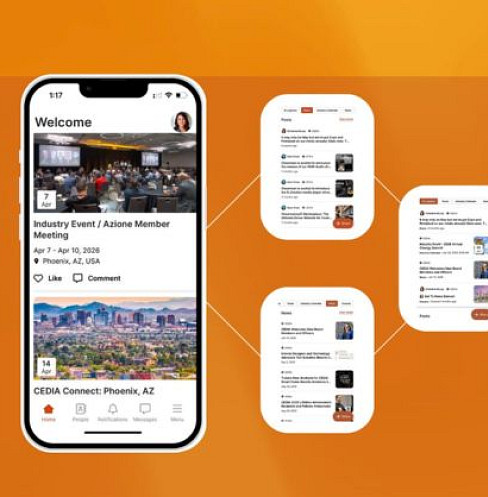
CEDIA Introduces First-Ever Integration Industry Calendar via CEDIA App
Thu, Mar 26, 2026
CEDIA Launches Integrator Advantage Program for Australian Members
Thu, Mar 26, 2026
CEDIA Smart Home Awards: The Business of Winning
Tue, Mar 17, 2026
CEDIA Named Knowledge Partner for Smart Home Expo India