By CEDIA - May 31, 2024 • Last Updated: Feb 17, 2026 • Blog
Valued at £2.9 billion, the smart home business offers a lucrative opportunity for installers throughout the UK. With continued growth and demand, many entrepreneurs are exploring how to start a smart home business to capitalise on connected technology trends. Understanding the smart home business model early on will help you identify your target market, services, and long-term revenue opportunities - as home automation technology is fast becoming more affordable, widening the market for those looking to branch out. Whether you’re founding a company or expanding an existing one, we’ve got key tips on how to start a smart home business.

Your first step is to assess what kind of smart home solutions and services you can provide. A successful smart home business model typically combines hardware sales, installation services, and ongoing support contracts to create recurring revenue. In terms of products, you might offer smart home devices such as:
Alternatively, your home automation business might focus on services, such an installation service, bespoke design, maintenance and ongoing tech support. Look at your resources – do you have access to a designer, product partnerships or installers? This will help to define your value proposition to potential customers. Clearly defining your niche is an essential step in how to start a smart home business, as it positions you effectively in a competitive and fast-growing market.
New business is built on trust – and homeowners need to know you have the right certifications to complete the job. CEDIA offers four core smart home certifications. For example, electricians will benefit from our Cabling and Infrastructure or Integrated Systems Certification. Designers may wish to explore the Networking Specialist or Designer Specialist qualification.
This ‘stamp of approval’ from the leading trade association will drive your competitive advantage in the smart home market – offering new customers peace of mind. Professional certification also strengthens your credibility when launching a smart home business, helping customers feel confident in your expertise and improving your chances of securing projects.
To secure funding and give you a sense of direction, a business plan is essential. Here you can outline your financial projections, looking at the smart home solutions you can offer and the resources needed.
You can also include marketing strategies here. CEDIA Integrator members get exclusive access to the latest research in the home automation industry, helping you build a competitive and informed smart home business.
With your business plan in place, you can start targeting your potential clients. A website is a great way to showcase your whole ecosystem of smart home automation products. Use imagery wisely and tailor your copy. For example, if you’re targeting home builders, you could focus on energy efficiency with smart thermostats. An effective digital presence is essential for any smart home business, helping you generate leads and demonstrate your expertise to prospective customers.
Next up is social proof. Have your clients or contacts leave recommendations on LinkedIn, helping you win new business through referrals. An accessible, user-friendly website will complement your digital footprint to build awareness of your smart home installation business.
They say it’s not what you know – so take your home automation business to the next level with the right contacts. Don’t think of these people as competitors, but collaborators who can help you succeed.
CEDIA regularly runs events that support workforce development and offer great networking opportunities. Here you can learn about the latest trends and smart home industry standards while building new relationships. Networking is an essential part of growing a smart home business, helping you find partners, suppliers, and new clients while staying up to date with emerging technologies.
A smart home business model typically combines product sales, installation services, system design, and ongoing maintenance or support contracts. Many successful smart home businesses generate recurring revenue through service plans, upgrades, and long-term client relationships. Choosing the right smart home business model is essential when deciding how to start a smart home business.
To start your smart home technology business, you’ll need to consider your business model and the products or services you can offer. CEDIA is on hand to provide training, guidance and marketing insights in the smart home industry.
To start your smart home technology company, you will need expertise in specific products or services, such as home security systems or smart home installation. You’ll then need to look at your resources and put a business plan together.
A home automation business can be hugely profitable. You need to be on top of pricing, customer service and the latest technological advancements. CEDIA has a range of resources for startups, from training to market insights, to help you discover new smart home products and services.
Wed, Sep 16, 2026
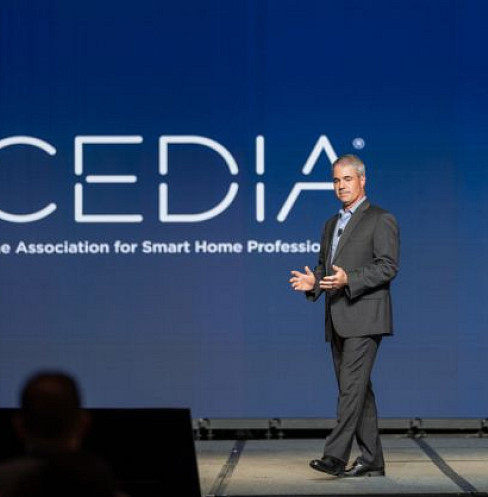
CEDIA Reveals New Data on $33.8 Billion US Residential Technology Market
Wed, Sep 16, 2026
CEDIA CIT Certification Hits the Road Across the UK
Thu, Sep 10, 2026
I AM CEDIA: Donny Carlyon, HAAS Home Technologies
Thu, Sep 3, 2026
Winners of the CEDIA Smart Home Awards Americas 2026 Revealed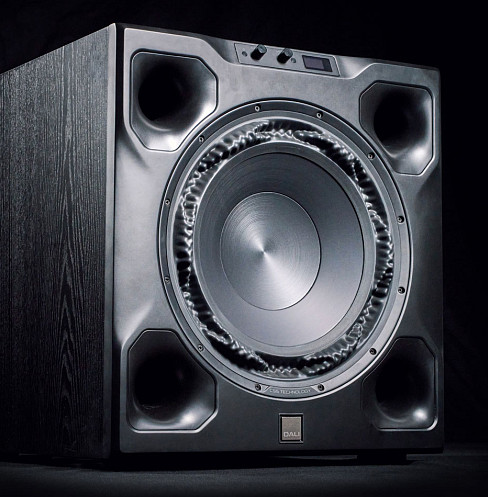
Tue, Sep 1, 2026
DALI SUB V-16 F: Tamed Brute Force - Sponsored