Government Affairs

Our mission is to influence public policy to protect CEDIA members, the electronics industry and consumers.

Workforce Development

The future of smart home technology depends not only on the technology, but on the people who are designing and installing it. 

Standards & Best Practices

CEDIA is committed to producing ANSI accredited standards and best practices that ensure professionalism in the industry. 

Design & Build Outreach

Learn to engage with the design and build community, providing them accredited education on Smart Home Technology topics.

Market Intelligence

Improve your business through knowledge of the latest trends statistics in the smart home industry.

Smart Home Awards

CEDIA's Smart Home Awards programs recognises the top projects, products and individuals in the smart home technology industry. 

Events Calendar

Search the CEDIA Calendar to locate all the up and coming events, training, including boot camps, workshops and more. 

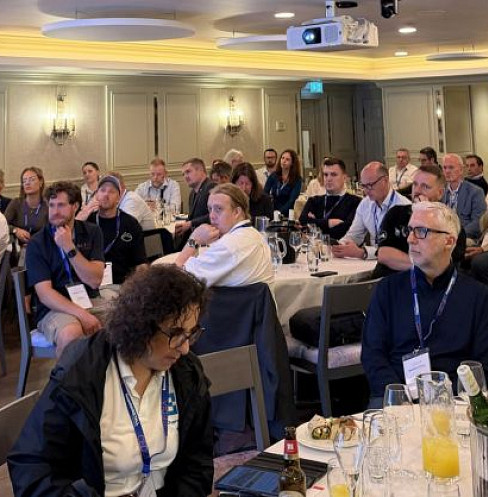
Tech + Business Summits

Introducing the new and improved CEDIA Tech + Business Summits—the latest in innovative new technology and world-class, business- and tech-centric education to help you achieve your goals.

CEDIA Expo

CEDIA Expo brings together home tech pros and exhibitors to the leading global event for smart home technology. 

Integrated Systems Europe

ISE showcases the world's leading technology innovators and solutions providers of four days of inspiring conferences. 

CEDIA Online Learning

The CEDIA online learning is the leading online learning portal for all your home technology integration learning.

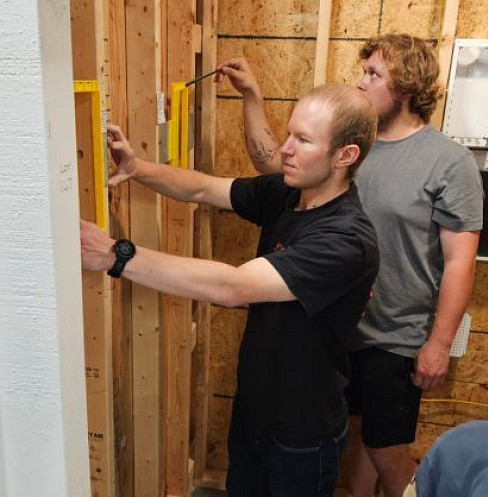
In-Person Training

Elevate your expertise in smart home technology with our in-person training sessions. Gain hands-on experience and practical knowledge.

Certification

CEDIA Certification is a set of credentials that reflect defined areas of knowledge in the Smart Home Technology industry. Certifications are held by the individual; you earn the certification, and you carry it with you as you continue your career.

White Papers

CEDIA white papers dive deep into applications, recommendations, and advice on a wide range of topics: from software and hardware to best practices, standards, and formats.

Workforce Development

The future of smart home technology depends not only on the technology, but on the people who are desigining and installing it. 

Whether you’re starting out or you’ve worked in the industry for over twenty years, CEDIA membership will help support and inspire you at every stage of your Smart Home technology career.

The benefits you gain with a CEDIA membership help you grow your business, operate effectively, and build you and your employees' skills within the ever-changing smart home industry. 

Join CEDIA, get plugged into great offers. Benefits are provided by fellow members or third parties that partner with you to save.

Stay current, connected, and effective in your smart home automation profession. Renew your CEDIA membership each year to take advantage of member benefits, demonstrate your commitment to smart home technology, and continue to strengthen the industry.

CEDIA thrives on the dedication of its volunteers who play a crucial role in keeping the association vibrant and forward-thinking.

How CEDIA Certification Has Changed My Business

Oct 2, 2026 • Last Updated: Oct 9, 2026 • Blog, Business Support

David Whitney

Senior Director of Certification

Key takeaways

  • CEDIA certification gives smart home professionals an assessed way to demonstrate technical knowledge and commitment to professional development.
  • Australian businesses can use individual credentials to explain the expertise behind their installation and design services.
  • CEDIA’s 2024/25 Australia and New Zealand report estimates Australia’s full-time integration market at $1.44 billion.
  • In the report's Australian education section, 83.9% of surveyed integrators had completed a training course in the previous 12 months.
  • 73.3% of respondents in the Australian staff section said they would or do pay higher salaries to staff with industry certifications. This covers industry certifications generally, rather than CEDIA certification specifically.

Certification can form part of a structured development plan, helping teams demonstrate expertise in a market where skilled workers are in demand.

One of the biggest challenges for smart home integrators is communicating value. In a world where cheap often beats professional, or speed beats quality, installers may find themselves losing out to uncertified competitors and DIY options.

This is where certification comes in. A professional credential is more than a simple badge on a website; it demonstrates knowledge and a willingness to invest in professional development. It can also support how clients engage with you and how you develop your team. Read on to find out how.

Moving Client Conversations from Cost to Credibility

One of the biggest challenges for smart home integrators is communicating value. In a world where cheap often beats professional, or speed beats quality, installers may find themselves losing out to uncertified competitors and DIY options.

This is where accreditation comes in. Recognition from a trade body is more than a simple badge on a website; it’s a marker of quality and your willingness to invest in professional development. It also impacts how clients engage with you, how projects are priced, and how you can grow your business. Read on to find out how.

“Before CEDIA, I was winning work on price. After, I was winning it on trust.”

Accreditations move initial client consultations from cost to credibility. For example, a client may come to you with questions such as:

  • “Why should I pay more?” – A CEDIA accreditation portrays value as certified by an industry body.
  • “What makes you different?” – Where other integrators may claim they are experts, a CEDIA certification comes with exams and a code of ethics.
  • “Where can I find a professional?” – CEDIA has a professional directory, which brings in pre-qualified leads and negates the conversation about DIY alternatives.

Your accreditation shows customers your dedication to learning. Nathan Cole, CIT, IST, AV Engineer and Installer at Honos Integrated Solutions says: “The IST handbook is a fantastic resource to train new members of my team who are less experienced or who have come from other areas of the AV world."

The numbers behind the credibility

CEDIA certification gives smart home professionals a way to demonstrate technical knowledge and supports structured team development. CEDIA’s Australian research findings highlight why these priorities matter: training is widely undertaken, employers value industry credentials and integrators want to develop their expertise.

CEDIA’s Market Research Insights – Australia & New Zealand 2024/25, published in 2025, includes separate Australian and New Zealand sections. The figures below come from its Australian key figures, education and staff sections.

Australia’s Full-Time Integration Market Is Estimated at $1.44 Billion

The report estimates 636 full-time integration companies in Australia, completing approximately 19,080 home automation projects annually. It values the full-time integration market at $1.44 billion. These estimates describe the market covered by the 2024/25 report.

For businesses operating in this market, certification provides an assessed credential to discuss alongside project experience, customer references and the expertise behind their service.

83.9% of Surveyed Integrators Had Completed Training

In the Australian education section, 83.9% of surveyed integrators reported attending and completing a training course in the previous 12 months. This finding highlights the role of professional development within the industry.

CEDIA training and certification can form part of a structured development plan. Combine relevant courses with supervised experience and certification preparation to help employees develop and demonstrate knowledge suited to their roles.

73.3% of Respondents Value Industry Certifications in Pay Decisions

In the Australian staff section, 73.3% of respondents said they would or do pay higher salaries to staff who hold industry certifications. The question covers industry certifications generally; it does not establish a salary increase caused by CEDIA certification.

For professionals, the finding shows that many surveyed employers recognise credentials when considering pay. For business owners, assessed qualifications can support conversations about responsibilities, development and progression.

Integrators Want to Develop Expertise Across Technologies

The Australian education section identifies five areas respondents wanted to learn more about: networking; cinema and theatre design; business; immersive audio and video design; and IT deployment and integration.

These interests show the breadth of expertise involved in professional integration. CEDIA certifications give professionals a way to demonstrate defined areas of technical knowledge, supported by continuing learning and a commitment to professional conduct.
Three things that change when members get certified

1. Client Conversations Get Easier

Customers need to understand the value of professional integration. Individual certifications give you something specific to discuss: the knowledge assessed, the commitment to professional conduct and the ongoing learning involved.

Use credentials alongside your portfolio and customer references. Explain how the certified person’s role relates to the client’s project, whether that involves infrastructure, installation, networking or system design.

2. Credentials Support Project Conversations

Architects, builders and interior designers need to understand what your team contributes. Certifications can help you explain the relevant expertise your people bring to a project, supported by experience and examples of completed work.

CEDIA membership can help homeowners discover your business through the professional directory. Certification adds an individual credential to the conversation once a client or project partner is considering your services.

3. The Team Gets Stronger

All CEDIA certifications are held by individuals. Each team member brings their own expertise to the business, while preparation and continuing education can support a shared understanding of technical principles and professional practice.

Explore CEDIA’s Australian training opportunities to support your team’s development. Combine relevant courses with practical experience and choose certification suited to each person’s responsibilities.

Why now is the right time to get certified

Making professional development part of your business plan helps your team prepare for changing technologies and client requirements. CEDIA’s 2024/25 Australian findings offer practical reasons to invest in skills and demonstrate expertise:

  1. Training is already a priority. 83.9% of surveyed integrators in the Australian education section had completed training in the previous 12 months. Build a development plan that combines learning, project experience and relevant certification.
  2. Employers value industry credentials. 73.3% of respondents in the Australian staff section said they would or do pay higher salaries to staff with industry certifications. CEDIA certification provides an assessed credential to support professional development and progression discussions.
  3. Technical expertise spans several disciplines. Respondents wanted further learning in networking, cinema design, immersive audio and video, IT integration and business. Choose training and certification relevant to each person’s role, then keep learning as their responsibilities develop.

Give clients confidence in your expertise

Demonstrate your knowledge and strengthen your team’s credentials with CEDIA certification. Find the certification that fits your experience and take the next step in your professional development.

Explore CEDIA Certification

Latest News & Knowledge