
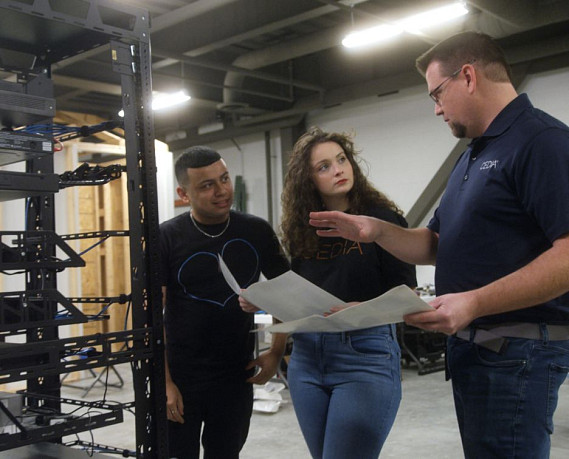

The smart technology industry and smart home workforce is ever-evolving. Research from CEDIA’s Professional Smart Home Market Analysis revealed that nearly half of respondents have felt the effects of workforce and labour shortages on their businesses. Additionally, more than 50% anticipate the need to onboard a technical professional within the coming year. CEDIA is working to become a viable link between skilled trades talent pipelines (educational institutions, workforce development agencies, community organisations) and smart home industry employers (integrators, distributors, manufacturers) with initiatives like the NextGen Smart Home Career Toolkit.
These free resources make it easy for the CEDIA channel to give polished career fair and in-class presentations and offer informative leave-behind assets. CEDIA is committed to developing programs and initiatives that leverage the strengths of the association and its partners to provide job seekers with sustainable education and career pathways in the integrated systems industry.
CEDIA is working to create meaningful workforce development in the smart home industry by supporting volunteers willing to serve as ambassadors in their local communities.
See Industry Employer ResourcesCEDIA offers credentials for every stage of your career, from entry-level to industry veteran. The best way for job seekers to demonstrate they are the skilled talent employers are looking for is by earning industry-recognised credentials.
See Jobseeker ResourcesCEDIA is continuing to expand its global reach by developing education partnerships that offer hands-on education programs in local communities.
Learn more about our Education PartnersFind out more about joining CEDIA and learn more about the benefits of our student membership
Learn more about Student MembershipDiscover how smart home apprenticeships help you gain practical skills, industry experience and build a rewarding career.
Learn more about ApprenticeshipsDiscover career opportunities in Australia's smart home industry, from installation and system design to programming, project management and sales. Explore the skills, responsibilities and earning potential associated with each role.

Start your career journey and work your way up the smart home career path
Smart home technicians install, connect and maintain residential technology systems, including lighting, audio, security, networking and home automation. With experience, technicians can progress into specialist installation, programming and technical management roles.
Australian salary guide: Audiovisual technicians earn an estimated AUD $77,144–$94,769 per year, with an average of $85,504.
Smart home designers and engineers plan integrated technology systems, prepare technical drawings and develop solutions for lighting, entertainment, security and automation. Experienced professionals can progress into senior design and engineering roles.
Australian salary guide: Audiovisual engineers earn an estimated AUD $81,144–$136,157 per year, with an average of $105,111.
Smart home project managers oversee residential technology installations, coordinating teams, budgets, schedules and suppliers to deliver projects successfully. Experienced professionals can progress into senior project management and operational leadership.
Australian salary guide: Audiovisual project managers earn an estimated AUD $106,309–$141,329 per year, with an average of $122,575.
Smart home programmers configure and integrate control systems for lighting, entertainment, security and home automation. The role combines technical expertise with problem-solving to create personalised smart home experiences.
Australian salary guide: The broader programming profession has an estimated salary range of AUD $69,884–$120,702 per year, with an average of $91,843. This is not specific to residential automation programming.
Source: Indeed – Programmer Salaries
Smart home sales professionals work with homeowners, architects, interior designers, builders and property developers to recommend integrated technology solutions. Experienced professionals can progress into senior sales, account management and business development roles.
Australian salary guide: Sales representatives earn an estimated AUD $79,532 per year on average, while technical sales managers earn approximately $100,614 per year. Earnings may also include commissions.
Sources: Indeed – Sales Representative Salaries and Indeed – Technical Sales Manager Salaries
Smart home business owners manage companies specialising in residential technology design, installation and integration. Responsibilities include sales, project delivery, financial management and business development.
Australian earnings guide: Earnings vary depending on business size, profitability and the owner's role within the company.
CEDIA is a viable link between skilled trades talent pipelines (educational institutions, workforce development agencies, community organisations) and industry employers.
Our Next Gen toolkit includes resources, outreach messages, insights and videos to support our industry employers in uncovering the Next Generation of smart home professionals.
Download ToolkitIntrigued to know what the average U.S. industry wage and salary is for the smart home workforce? Find out more by clicking on the U.S. Salary Study. We're also conducting surveys in the UK and APAC (Asia & Pacific). Click on your current location and conduct the survey.
We have members all around the world. Find a CEDIA Smart Home Installer near you.
CEDIA Smart Home InstallersSmart home installer salaries in Australia vary depending on experience, location and technical expertise. As a guide, the related audiovisual technician profession has an estimated salary range of AUD $77,144–$94,769 per year, according to Indeed's Australian salary data. These figures cover the broader AV sector rather than smart home installation exclusively. CEDIA's education and training programmes can help professionals develop their skills and career opportunities.
There are several pathways into the smart home industry, including vocational training, apprenticeships and experience in electrical installation, telecommunications or audiovisual technology. Certain work requires specific licences or registrations, including telecommunications cabling. CEDIA offers smart home education and training and industry-recognised certifications to help professionals develop their technical skills.
Yes. Apprenticeships in electrical, electronics and telecommunications-related trades can provide pathways into the smart home industry. These combine practical workplace experience with structured vocational training, helping individuals develop skills relevant to installation, networking and automation. Explore CEDIA's education and training opportunities to support your career development.
Yes. Entry-level technician positions, apprenticeships and technical training provide opportunities for people without previous smart home industry experience. Skills in cabling, networking, audiovisual systems and home automation can be developed through practical experience and structured learning. Explore CEDIA's smart home training opportunities to get started.
Smart home professionals can progress from installation and technical support into specialist roles in programming, system design, project management and business leadership. Australian salary research highlights earning potential in related fields, with Indeed reporting an average annual salary of approximately AUD $122,575 for audiovisual project managers. CEDIA's professional certifications can support continued technical development and career progression.
Smart home installation offers opportunities to work with technologies including lighting, entertainment, security, networking and automation. Professionals can develop specialist technical skills and progress into design, programming, project management or business ownership. Explore CEDIA's Australian training opportunities to discover potential career pathways.