
Nov 3, 2026 • Blog, Business Support

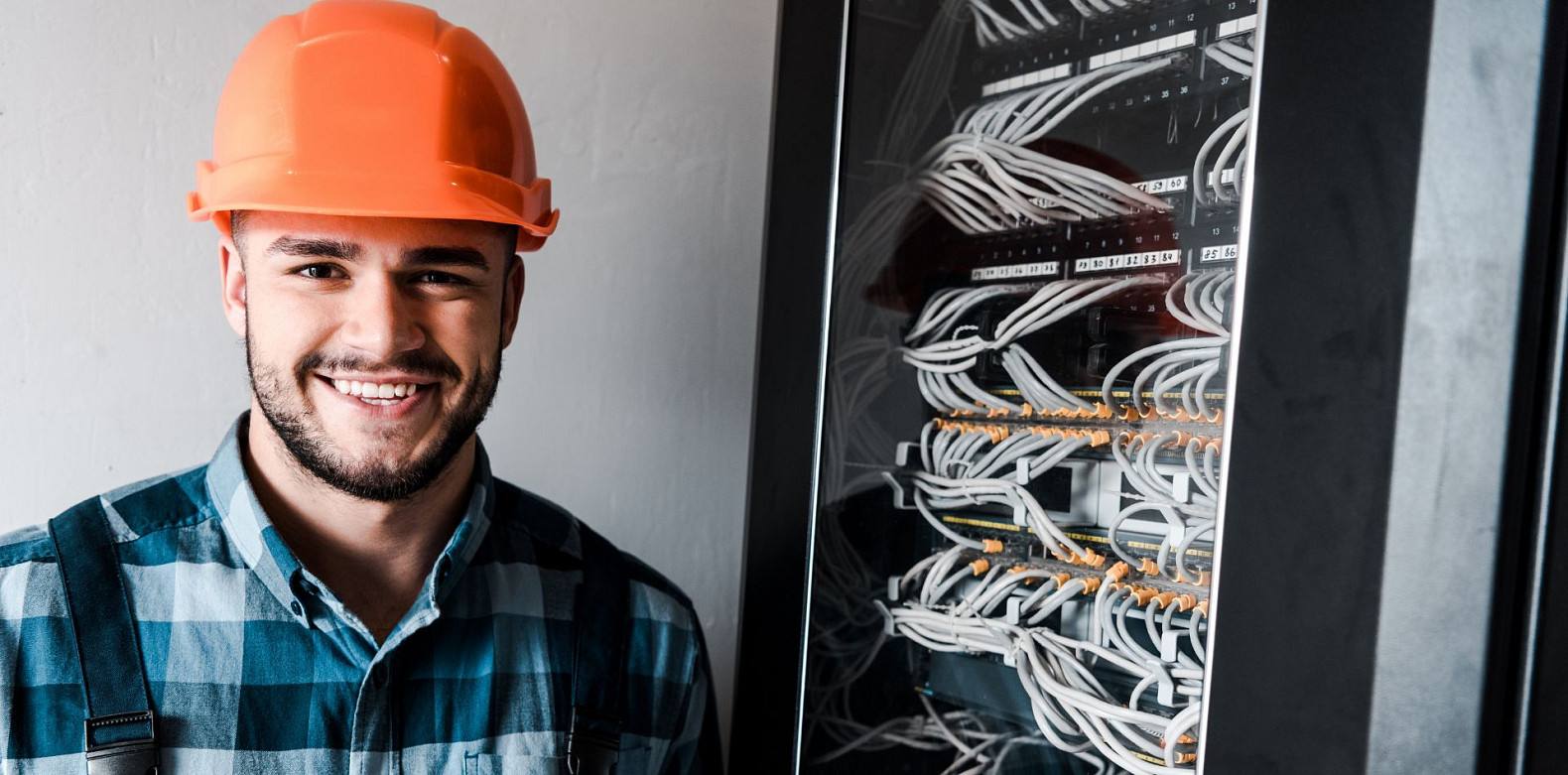
If you’ve noticed an increase in the number of smart home projects in your schedule, you’re not alone. Valued near £2.9 billion, the smart home technology market is growing by the day – which presents a fantastic opportunity for AV technicians, electricians and security installers.
You may be on the path to upgrading your career already. In this guide, we’ll take you through the practical skills needed to become a full-fledged home automation technician, and the steps to get there.
With a smart home installer salary of up to $120,000, there are many incentives to kickstart your career. Results from our 2025 US Professional Smart Home Market Analysis reveal huge growth in the sector too, including:
For electricians, security technicians and AV professionals, this presents an opportunity to build on existing experience and move into smart home integration. With businesses seeking skilled technicians and installers, additional training in lighting control, networking and automation could open the door to a rewarding new career.
There's no need for imposter syndrome here. Many of the skills you already have are essential in the smart home industry, from electrical wiring and networking to audio systems and security installations.
According to CEDIA's 2026 U.S. Professional Smart Home Market Analysis, home networking represents $5.2 billion, lighting and shading $3.7 billion, and security systems $2.6 billion of the U.S. residential technology market.
These are all areas where your existing technical experience could provide a valuable foundation for a career in smart home integration.
Here are just a few of the skills you can bring to the table:
| Trade | Transferable skills | Added skills with CEDIA training |
|---|---|---|
| AV Engineer | Signal flow, displays, speakers and system integration | Whole-home control, lighting, security and client-facing design |
| Electrician | First and second fixes, wiring, conduit and load management | Control systems, automation logic, lighting programming and networking |
| Security Installer | Access control, alarm systems, surveillance and cabling | Integrated automation, AV, lighting and climate control |
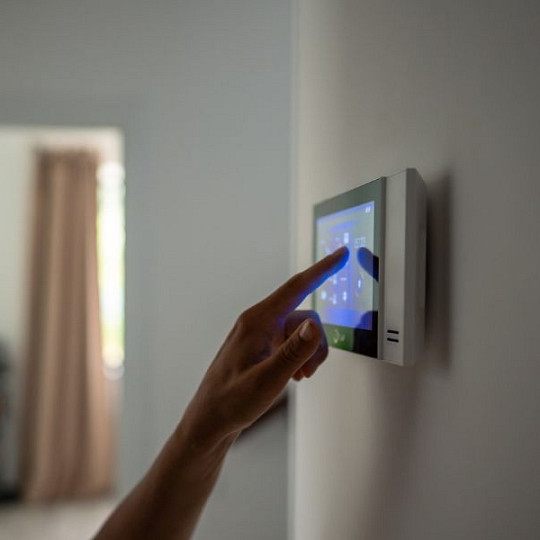
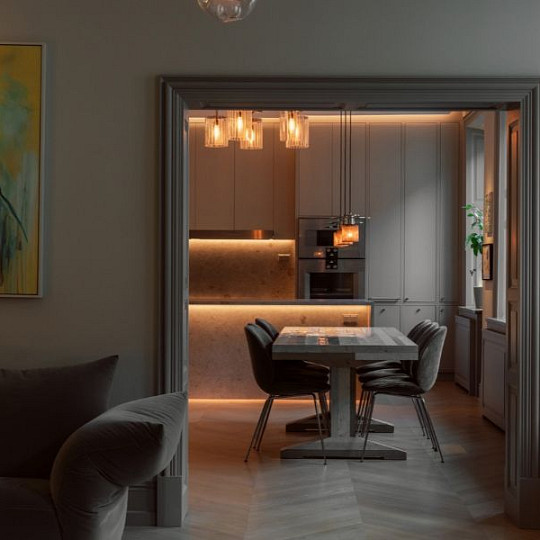

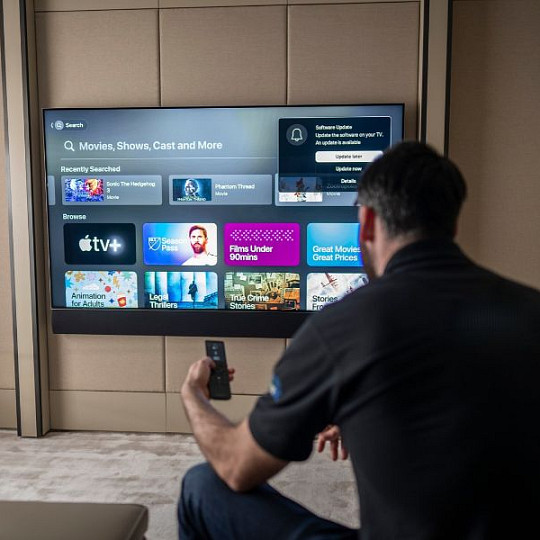
Of course, the transition to smart home professional doesn’t happen overnight. Here are the areas where you’ll need to develop your skills – and where CEDIA can help.
The first step is getting to know the systems themselves. Control4, Crestron and Savant are among the most popular whole-home control systems in the U.S., so understanding how to program scenes, schedules and automated routines is essential.
This will also help you understand how different technologies interact, including lighting, security, climate control and AV, through a single interface.
Home networking is the largest segment of the U.S. residential technology market, valued at $5.2 billion. With 88% of smart home businesses installing networking systems, developing skills in IP addressing, Wi-Fi architecture and network reliability is increasingly important.
CEDIA offers both online and in-person training to cover these foundations, alongside integration and control systems. Find out more about our educational programmes here.
Smart home integration goes beyond installation. System design, technical support and the final handover all require strong communication and customer service skills.
With 76% of U.S. smart home businesses identifying direct client referrals as a leading source of new business, building trust, explaining technology clearly and delivering a positive customer experience can make all the difference.
If you want to progress your career path in smart home automation, start with CEDIA:
Tue, Nov 3, 2026
Transition From Electrician To Smart Home Professional
Mon, Nov 2, 2026
Start Your Smart Home Career With Your Future, Fully Integrated
Thu, Oct 29, 2026
CEDIA Launches UK Smart Home Recruitment and Salary Survey 2026
Wed, Oct 28, 2026
Winners of the CEDIA Smart Home Awards Asia Pacific 2026 Revealed
Mon, Oct 26, 2026
Help Make Smart Home Training Accessible to More People
Sun, Oct 25, 2026
Why the Smart Home Industry Deserves Its Own Day