
Jul 29, 2024 • Last Updated: Nov 18, 2026 • Blog, Business Support

Which services should your integration business develop next? Understanding the size of the market is a starting point, but the more useful question is where customer needs overlap with your team’s capabilities.
The US professional residential technology integration market is worth an estimated $33.8 billion, according to CEDIA and The Farnsworth Group’s 2026 analysis. Home networking is the largest category, and 77% of surveyed firms expected their own revenue to rise over the following 12 months.
This guide examines CEDIA’s US market research to help you assess potential services, plan your next investment and identify opportunities worth exploring with existing clients.
|
Measure |
Estimate or survey finding |
CEDIA source |
|
Professional integration market |
US$33.8 billion |
|
|
Firms expecting revenue growth |
77% |
|
|
Home networking |
US$5.2 billion |
|
|
Distributed audio |
US$3.8 billion |
|
|
Lighting and shading |
US$3.7 billion |
CEDIA and The Farnsworth Group interviewed 287 respondents for the 2026 US study. The market values are modeled estimates. The revenue outlook is the share of surveyed firms expecting their own revenue to rise over the following 12 months, not a market growth rate.
The market estimate establishes the scale of professional integration. To decide where your business fits, look next at the services behind that spending and what surveyed firms see as their next opportunity.
Among US firms expecting higher revenue, growing demand was the most commonly cited reason. The size of the networking category helps explain why it is worth assessing as a service: a dependable network supports the control, security and entertainment systems customers use every day.
When asked without prompts about their biggest opportunity for the next 12 months, 17% of respondents named lighting, 13% named AI integration and 12% named new products or diversification. These are firms’ views of the opportunities ahead, rather than measured growth rates for those categories.
For more context on changing customer expectations, see CEDIA’s guide to smart home industry trends.
Customer referrals matter as much as the services a company offers. In the 2026 survey, 76% of US firms selected direct client referrals as one of their top two lead sources, and 55% selected general contractors. Respondents could select two sources, so those figures overlap. They show why both the customer handoff and relationships with builders deserve attention.
For a networking project, make the value visible. Agree where the client needs reliable coverage, test it before handoff and give the customer a simple record of what was installed. On a builder-led job, share equipment locations and wiring requirements early, when the other trades can still plan around them.
These findings give you areas to investigate. The next step is to compare them with the requests you receive and the services your team can deliver.
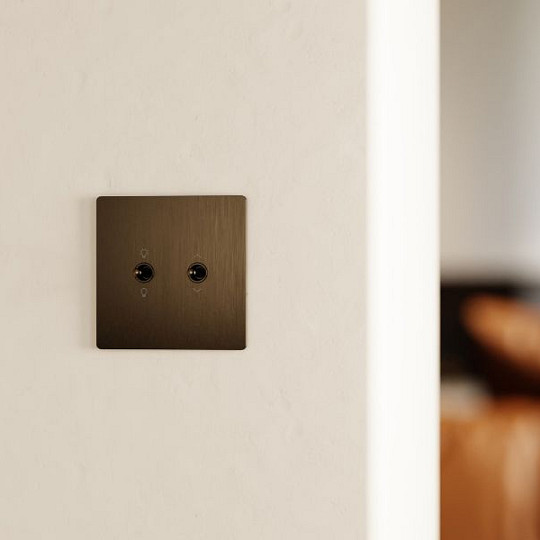

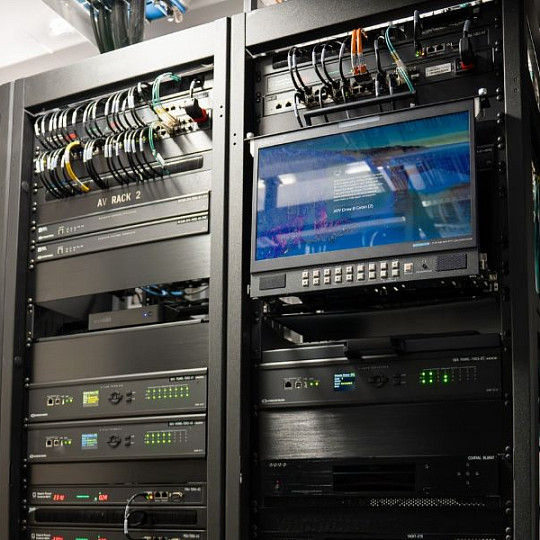
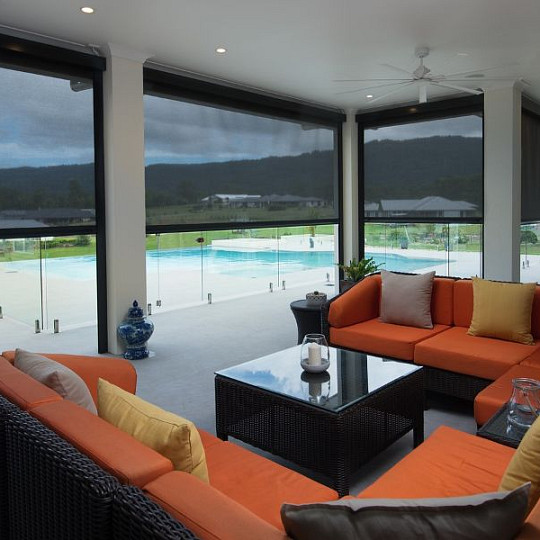
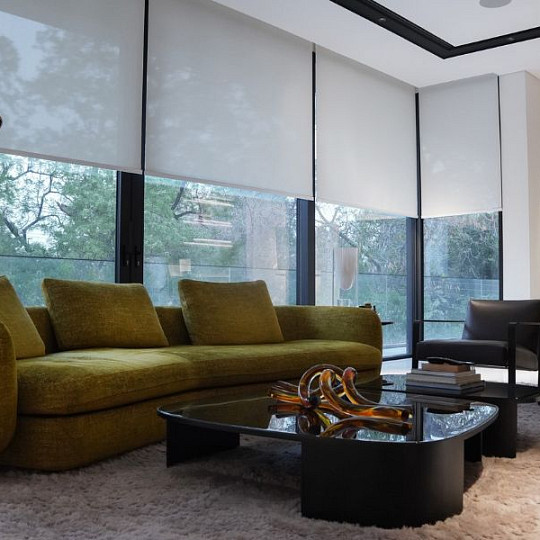
Motorized shading can extend the scope of a lighting project. Data in CEDIA’s 2026 US Professional Smart Home Market Analysis shows that window treatments averaged $8,950 per proposal, the highest average among categories with more than 50 proposals. Discuss shading early when customers want better daylight control, privacy or less glare.
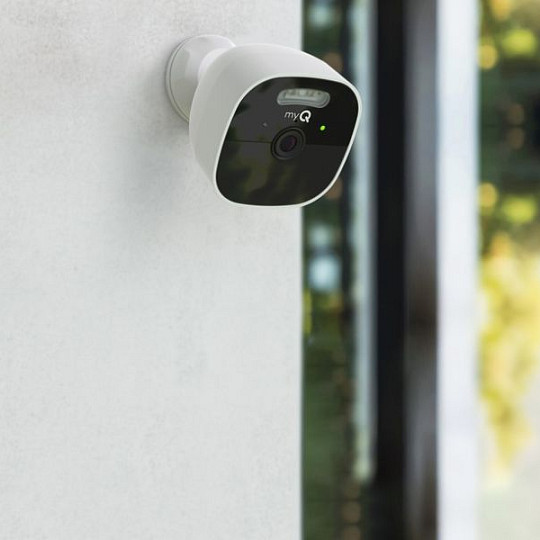
Surveillance was among the three most frequently quoted categories in the same dataset, with 41,869 proposals. A home networking project is a useful point to discuss camera locations, coverage and how the homeowner wants to view and manage alerts.
These figures describe proposal values and volume. They help show what firms were quoting, but do not measure completed installations or national sales growth.
The US findings can guide your priorities at home. The international comparison below offers a wider perspective, with different currencies, study dates and market definitions to keep in mind.

CEDIA’s studies show the scale of professional smart home integration across four markets. The US and UK estimates come from the 2026 studies. Australia and New Zealand use the narrower full-time systems integration measure from the 2024/25 research.
|
Market |
Estimated size |
What it covers |
CEDIA source |
|
United States |
US$33.8 billion |
Professional residential technology integration |
|
|
United Kingdom |
£2.2 billion |
Professional residential technology integration |
|
|
Australia |
A$1.44 billion |
Full-time systems integration |
|
|
New Zealand |
NZ$865 million |
Full-time systems integration |
Each figure is shown in its local currency. The study years and market definitions differ, so the figures should not be added together or used as a global smart home market size. A worldwide estimate may also include retail devices and markets outside these studies.
For US integrators, the comparison is most useful as context. Use the US study to benchmark your service mix, and read the other markets for ideas about categories such as lighting, shading and recurring support. Their estimated sizes do not tell you what customers in your area will buy.
The next step is to compare the research with what’s happening in your own business. Look back at recent inquiries, proposals and completed projects. Which requests keep coming up? Where could an additional service improve the result for your client?
Choose one opportunity to investigate. Speak to customers, assess the training and equipment involved, and work out how you would price and support the service before adding it to your offering.
Explore CEDIA’s education and training to assess how your team could develop the skills needed to deliver an additional service.
CEDIA can help you take that next step through industry research, technical education, business resources and connections with other integration professionals.
CEDIA estimated the US professional smart home integration market at $33.8 billion in 2026. Among firms expecting higher revenue, growing demand was the most common reason. Overall, 77% of surveyed firms expected their own revenue to rise over the following 12 months. That figure measures expectations for individual firms.
Home networking is a natural starting point because it supports streaming, control, and connected equipment. It was the largest category in CEDIA’s US market estimate at $5.2 billion. Lighting and motorized shading are also worth exploring if clients ask for better glare control, privacy, or more control over how they use their rooms.
It can be, especially on projects where daylight affects how a room is used. Data in CEDIA’s 2026 US Professional Smart Home Market Analysis shows that window treatments averaged $8,950 per proposal, the highest average among categories with more than 50 proposals. Use that as a benchmark for quoted project value; it does not show how many quotes became sales.
Yes. In CEDIA’s 2026 survey, 58% of US respondents reported an increase in customer requests for products with AI features over the previous year. If you are considering an AI-enabled service, start by asking what customers want it to do. The survey measured requests rather than purchases.
Tue, Nov 24, 2026
Reactive vs Proactive Smart Home Maintenance
Mon, Nov 23, 2026
Smart home maintenance beyond installation
Mon, Nov 23, 2026
CEDIA Announces Robust Education Conference Program for ISE 2027

Thu, Nov 5, 2026
CEDIA Names Jessa Foor Vice President of Marketing & Communications