
Nov 24, 2026 • Blog, Business Support

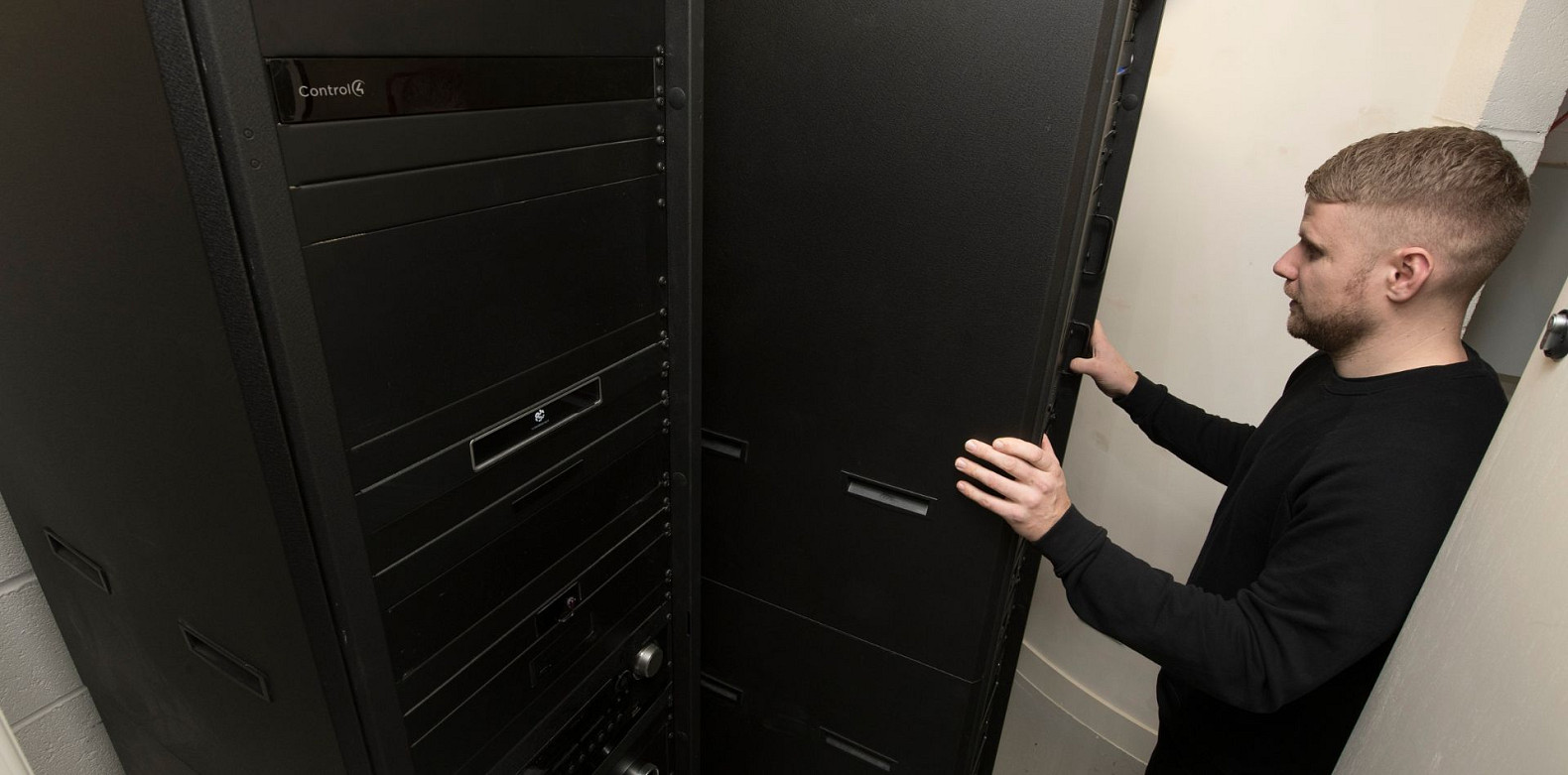
Installing a smart home system is only the beginning of the customer relationship. What happens after installation can be just as important to the long-term success of a smart home integration business.
Yet many integrators still rely on reactive maintenance, responding to problems only when customers report them.
Could a more proactive approach improve customer satisfaction, strengthen relationships and create new opportunities for recurring revenue?
Reactive maintenance involves responding when something goes wrong. Whether it’s a connectivity issue, a system failure or an unexpected callout, the integrator steps in once the customer experiences a problem.
Proactive maintenance takes a different approach. Through regular system checks, preventive servicing and ongoing support, integrators can identify potential issues before they become disruptive.
Both approaches have a role to play, but relying entirely on reactive maintenance can mean missing opportunities to provide additional value.
|
Service feature |
Reactive maintenance |
Proactive maintenance |
|---|---|---|
|
Trigger |
A reported fault or support request |
An agreed schedule or monitoring alert |
|
Typical work |
Diagnosis and repair after a problem |
Planned checks and preventive servicing |
|
Customer agreement |
Callout terms or existing support coverage |
Defined scope, response times and exclusions |
|
Commercial planning |
Allow for variable support demand |
Price planned work and realistic support capacity |
Smart home technology continues to evolve, and customers increasingly depend on connected systems for everyday convenience, entertainment, security and comfort.
For integrators, this creates an opportunity to move beyond one-off installations and develop longer-term customer relationships.
A structured maintenance and aftercare service could help businesses:
But how do you turn maintenance and aftercare into a service customers genuinely value and are willing to pay for?
For a wider look at the commercial opportunity, explore why integrators should think beyond installation.
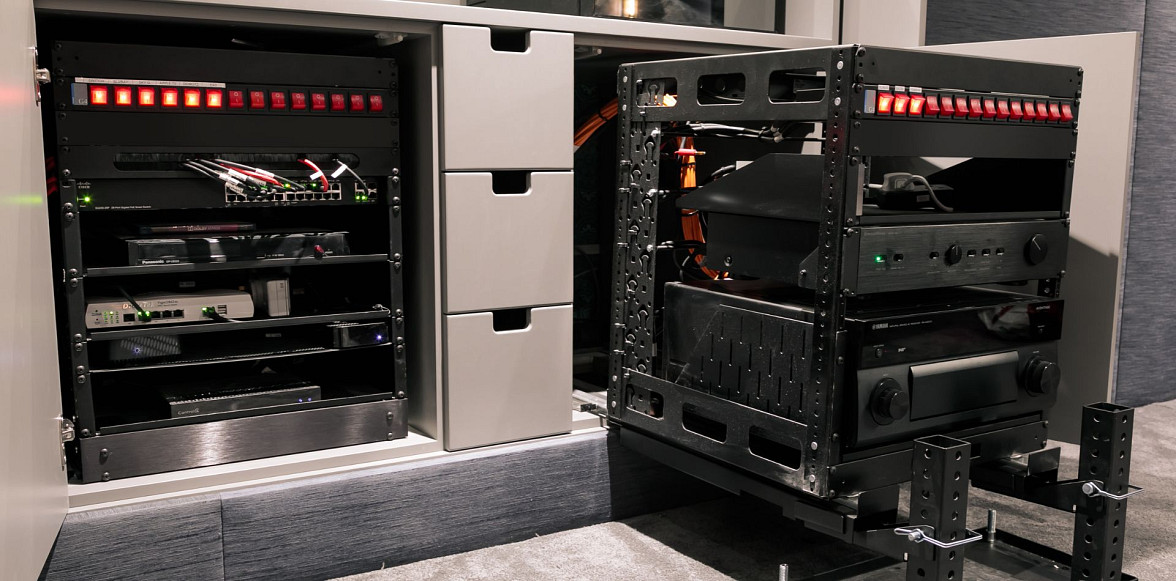
A customer reporting an unresponsive touchscreen may need immediate troubleshooting. A planned review offers a different opportunity: checking the wider system, reviewing recurring faults and identifying equipment or software that needs attention before the next support request.
Depending on the installation and the agreement, planned work might include checking network equipment, reviewing supported firmware versions, inspecting rack ventilation and confirming that configuration backups are available. Updates should be assessed for compatibility and scheduled appropriately, rather than applied automatically without considering their effect on the integrated system.
Remote access can support some checks, where the equipment allows it and the customer has authorized access. Other tasks still require a site visit. The value lies in choosing checks that suit the installation and recording what has been done, so the customer and service team have a useful history.
A maintenance agreement should make support easier to understand. Does the fee cover planned visits, remote diagnosis, replacement equipment or only certain activities? Who responds outside normal working hours? Explaining these boundaries before a fault occurs helps customers understand what they are paying for.
Response time and resolution time also need to be distinguished. A team may be able to acknowledge a request quickly while still needing a manufacturer’s input or a replacement part to restore service. Promises should reflect the support capacity the business can deliver.
Start by reviewing recent support requests. Repeated issues, time spent traveling and the equipment involved can help you decide where planned maintenance may add value. Those records also provide a firmer basis for costing a service than relying on assumptions about how often customers will need help.
Developing a successful maintenance offering involves more than scheduling occasional system checks. It requires the right approach to service agreements, customer expectations, pricing and ongoing support.
CEDIA membership connects integration businesses with industry education, business resources and a professional community. Explore CEDIA membership as you plan the next stage of your business.
A useful next step is to review one recent project and its support history. Identify where clearer responsibilities, planned checks or a defined agreement could improve the customer experience, then assess what your team would need to deliver that service.
Proactive maintenance is planned support intended to identify potential issues and maintain system performance before a customer reports a fault. The scope can include agreed checks, preventive servicing and remote monitoring where supported and authorized.
No. Equipment can fail and unexpected issues can still occur. An aftercare agreement should explain how both planned work and unplanned support requests will be handled.
Define the systems covered, planned checks, support hours, response targets, exclusions, fees and customer responsibilities. Make clear whether a response target means an initial reply or a completed resolution.
Tue, Nov 24, 2026
Reactive vs Proactive Smart Home Maintenance
Mon, Nov 23, 2026
Smart home maintenance beyond installation
Mon, Nov 23, 2026
CEDIA Announces Robust Education Conference Program for ISE 2027

Thu, Nov 5, 2026
CEDIA Names Jessa Foor Vice President of Marketing & Communications