Oct 2, 2026 • Last Updated: Oct 9, 2026 • Blog, Business Support

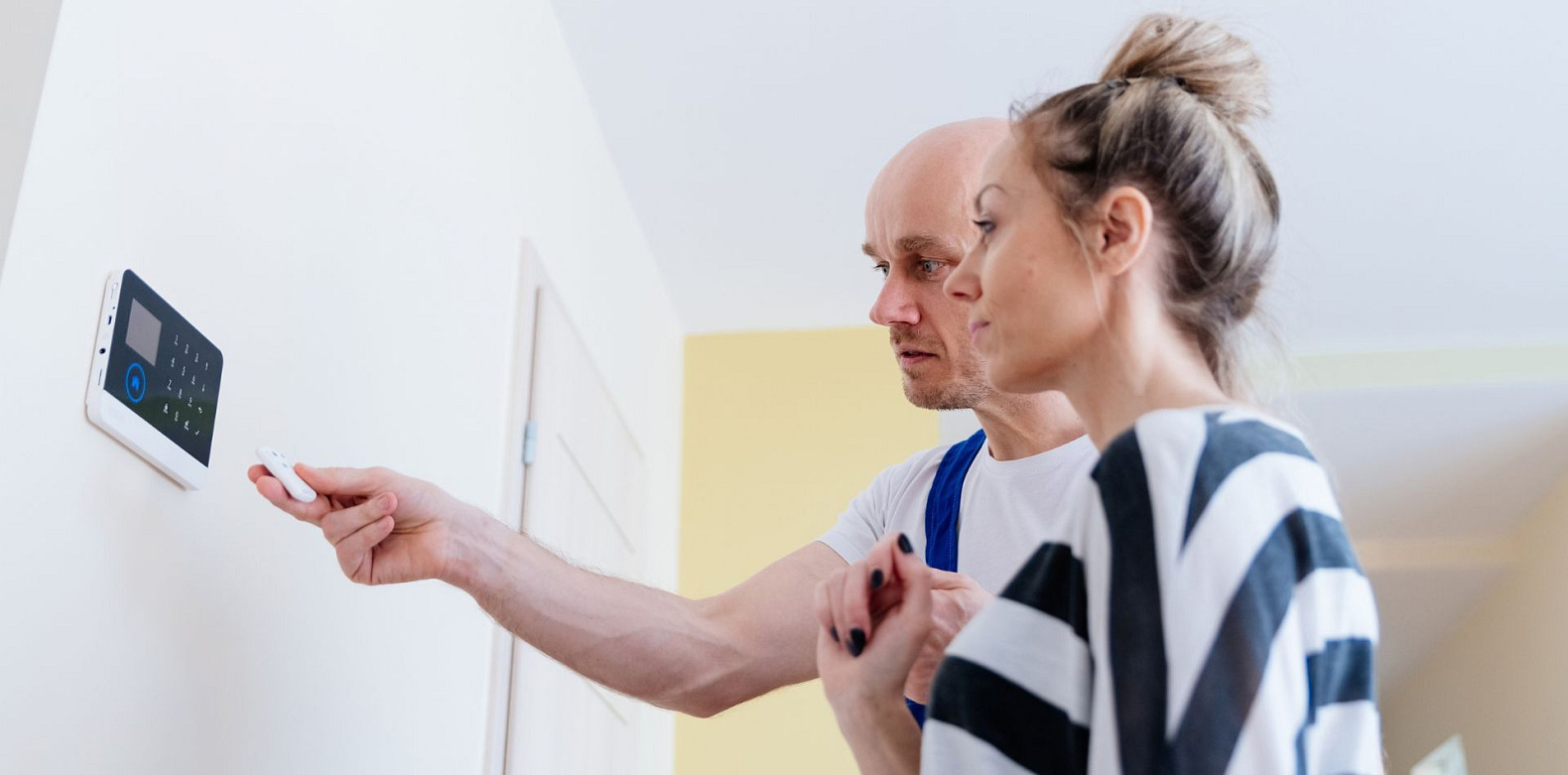
Certification can form part of a structured development plan, helping teams demonstrate expertise in a market where skilled workers are in demand.
One of the biggest challenges for smart home integrators is communicating value. In a world where cheap often beats professional, or speed beats quality, installers may find themselves losing out to uncertified competitors and DIY options.
This is where certification comes in. A professional credential is more than a simple badge on a website; it demonstrates knowledge and a willingness to invest in professional development. It can also support how clients engage with you and how you develop your team. Read on to find out how.
One of the biggest challenges for smart home integrators is communicating value. In a world where cheap often beats professional, or speed beats quality, installers may find themselves losing out to uncertified competitors and DIY options.
This is where accreditation comes in. Recognition from a trade body is more than a simple badge on a website; it’s a marker of quality and your willingness to invest in professional development. It also impacts how clients engage with you, how projects are priced, and how you can grow your business. Read on to find out how.
Accreditations move initial client consultations from cost to credibility. For example, a client may come to you with questions such as:
Your accreditation shows customers your dedication to learning. Nathan Cole, CIT, IST, AV Engineer and Installer at Honos Integrated Solutions, says: “The IST handbook is a fantastic resource to train new members of my team who are less experienced or who have come from other areas of the AV world."
CEDIA certification gives smart home professionals a way to demonstrate technical knowledge and supports structured team development. CEDIA’s 2026 US market research highlights why these priorities matter: businesses expect growth, skilled workers are in demand, and client relationships remain central to winning work.
CEDIA’s 2026 US Professional Smart Home Market Analysis, estimates the US residential technology market at $33.8 billion. The study surveyed 287 firms, with 77% expecting revenue growth over the next 12 months.
For businesses preparing for increased demand, developing their teams’ technical knowledge can help them deliver professional, reliable installations. Certification provides an assessed credential that professionals can use to demonstrate that knowledge.
27% of respondents identified finding and retaining skilled workers as their biggest business challenge.
This finding strengthens the case for investing in existing teams. CEDIA training and certification can form part of a structured development plan, alongside supervised experience, helping employees build their skills and employers recognize their technical knowledge.
The report identifies three leading categories by estimated US market revenue:
Integrating these systems requires an understanding of how technologies work together. CEDIA certifications help professionals demonstrate knowledge relevant to their roles, supported by continuing learning and a commitment to professional conduct.
76% of surveyed firms selected direct client referrals among their top two business lead sources, while 55% selected general contractors.
These findings highlight the importance of communicating expertise to homeowners and construction partners. Certification gives professionals a recognized credential to discuss alongside their experience, completed projects and customer references.
The research shows the business need for skilled teams and credible expertise. CEDIA certification can support both priorities through professional development and an assessed way to demonstrate technical knowledge.
Certification can support a smart home integration business in three practical ways.
Customers need to understand the value of professional integration. Individual certifications give you something specific to discuss: the knowledge assessed, the commitment to professional conduct and the continuing learning involved.
The latest research shows that 76% of surveyed firms identify direct client referrals as one of their top two business lead sources. Clear communication and a reliable customer experience can help you build the relationships behind those referrals.
CEDIA’s Find a Smart Home Professional directory helps homeowners connect with member businesses. Explaining the certifications held by you or your team can support conversations about project requirements, experience and technical capability.
General contractors are also an important route to new business: 55% of surveyed firms place them among their top two lead sources. Professional credentials can give you a clear way to explain your expertise to construction partners, alongside relevant experience and project examples.
All CEDIA certifications are held by individuals. Each team member brings their own expertise to the business, while preparation and ongoing learning can support a shared understanding of technical principles and professional practice.
Finding and retaining skilled workers is the biggest business challenge in the 2026 study, identified by 27% of respondents to that question. Training and certification can form part of a structured development plan for your team, alongside supervised experience and practical assessment.
The home automation sector is always changing. Access to CEDIA’s educational resources, including white papers and events like the Tech + Business Summits, helps professionals stay up to date.
There’s no better time to capitalize on the benefits of CEDIA certification. According to CEDIA’s 2026 US Professional Smart Home Market Analysis, 77% of surveyed firms expect revenue growth over the next 12 months.
With businesses preparing for growth, developing your team’s skills and demonstrating your expertise can help you get ahead:
27% of respondents identify finding and retaining skilled workers as their biggest business challenge. Structured training and certification can support staff development and give employers a way to assess and recognize technical knowledge.
Home networking accounts for 15% of estimated US market revenue, while distributed audio and lighting/shading each account for 11%. CEDIA certifications help smart home professionals demonstrate the knowledge needed for their roles.
76% of surveyed firms identify direct client referrals among their top two lead sources, while 55% select general contractors. Certification gives you a clear way to communicate your expertise to homeowners and construction partners, alongside your experience and completed projects.

Tue, Oct 6, 2026
How Light, Sound, and Scent Shape the Experience of Home
Fri, Oct 2, 2026
How CEDIA Certification Has Changed My Business
Thu, Oct 1, 2026
Designing a Home Around Sound - Sponsored
Wed, Sep 30, 2026
What You Need to Know About 529 Savings Plans