By Tom Webster - Oct 21, 2026 • Blog
Tom Webster is an Auckland-based, UK-born architect. As the co-owner of Webster Harding Architects, which he set up in 2020. Tom specializes in creating custom-built residential and commercial spaces that blend functionality with aesthetic appeal. He has been the host of Grand Designs New Zealand since 2022, where he guides viewers through unique and ambitious building projects across the country.

Architects love a good story and often create narratives to both generate and assess their designs. My advice to smart home professionals is to tell the story of your integrated technology in everyday use and also in special circumstances – from the average winter weekday evening to a packed house in summer party mode.
The different user requirements that our houses need to accommodate – empowered by integrated technology – is wide and varied. Writing a set of these “use narratives” that your systems cater for will create common ground that architects and clients can easily understand and collaborate with.
Architecture is a great generalist profession, and architects have broad and sometimes seemingly contradictory interests. In terms of technology, we might be both early adopters and relative Luddites, enjoying the power of smart digital technology as much as the physical experience of mechanical and analog mechanisms.
There’s a real joy in the experience of turning a well-weighted dial or flicking an exquisitely engineered switch. With this in mind, integrators need to ensure that there is a focus on well-considered and haptically enjoyable interface design as the gateway to your system designs – this will be appreciated by architects. The nature of the interfaces in a smart home is key to the quality of the user experience.
Against a backdrop of significantly increasing construction costs, global economic woes, and supply chain uncertainty, architects have a huge challenge in meeting client expectations of value for money, even in the most budget rich projects.
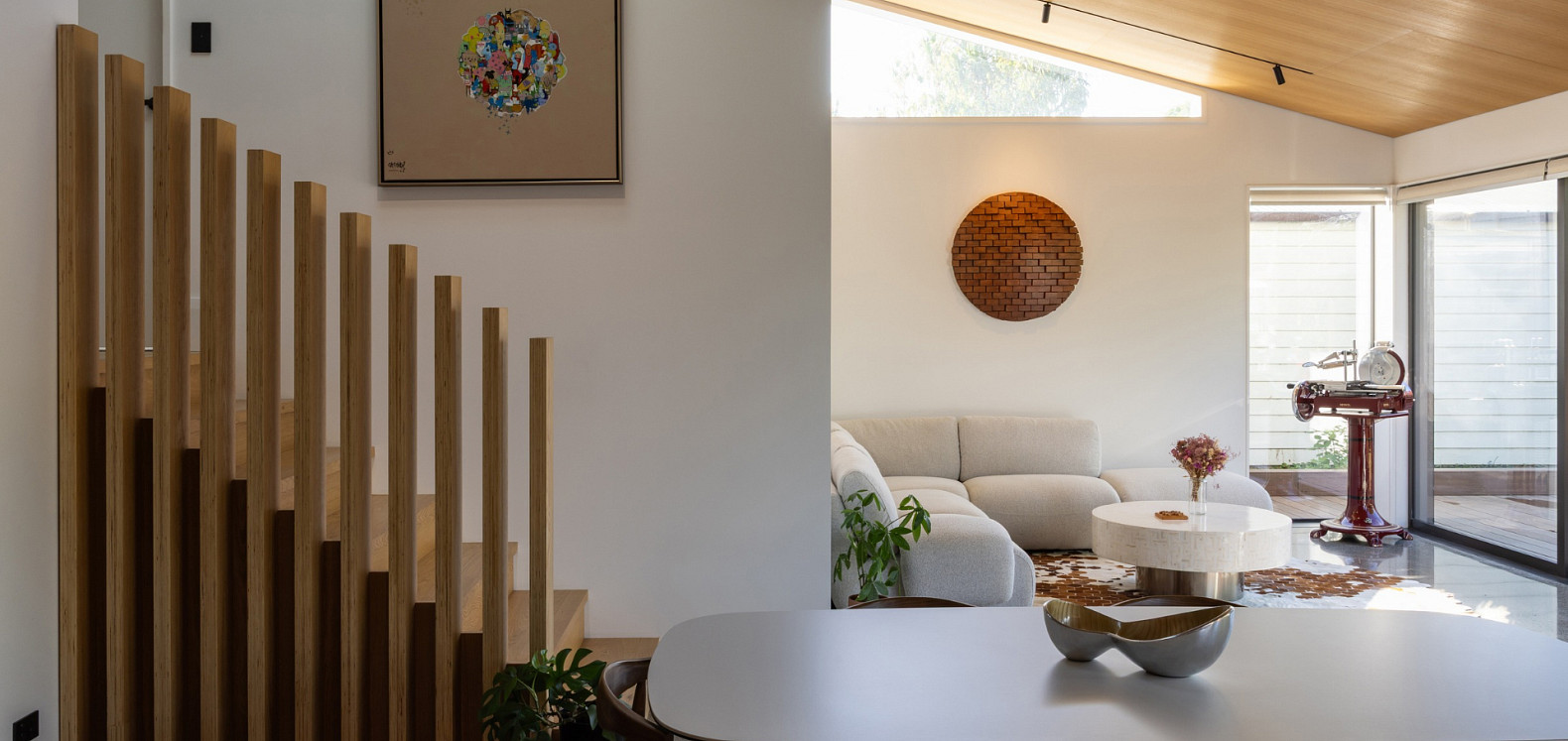
A growing trend in architecture is to use spatial flexibility to deliver value. Consider “cost per use” as a metric in determining the makeup of the spaces in buildings. A room that has a single use only, such as a dedicated home cinema room, could be a much better value proposition if it is given additional use or uses. That room then becomes multi-use and flexible. This, of course, means that your integrated technology has to facilitate a multitude of modes for lighting, AV, ventilation, thermal comfort, atmosphere, etc. Ideally, this needs to be done without compromising the quality of user experience in each of those modes. Apply this philosophy to a whole building and perhaps we can have multimodal buildings that offer flexibility of use, shaped equally by architecture and by integrated technologies accessible throughout every room.
With the BIM revolution, architects have a tool that offers unprecedented levels of detail and co-ordination during the design process, and its BIM’s co-ordination capabilities offer the perfect way of delivering a successful marriage of architectural design and integrated technologies from the get-go.
Offering your systems as data-rich virtual BIM assets is hugely useful for architects and also goes a long way in guaranteeing that integrated technologies are properly understood and represented amongst the larger client, consultant, and construction teams, and throughout the project process from design to post occupancy.
What's the best way to interact with and influence architects on a personal level? The requirement for architects to complete continuing professional development (CPD) as part of their registration presents a brilliant opportunity for interacting.
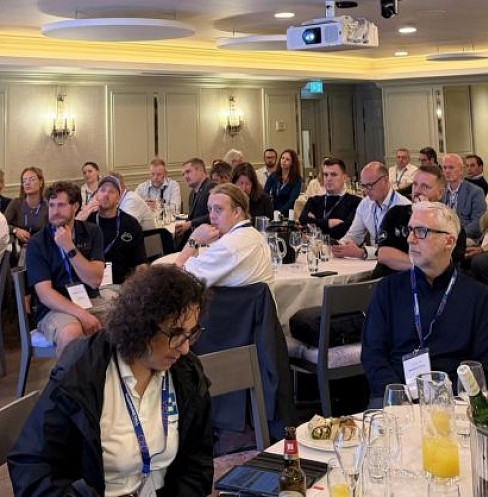
Offering a lunchtime CPD to architectural practices is a surefire way to introduce your business and the latest integration technology to an interested audience hungry for knowledge and CPD points. Even better, offer a round of sandwiches as part of the package and you will be guaranteed a friendly and attentive audience.
For those integrators who are interested in presented CEDIA CPD/CEU content, visit cedia.org/advocacy/design-build-outreach.
Wed, Oct 21, 2026
How to Work with Architects
Tue, Oct 13, 2026
Do’s and Don’ts from a Residential Designer
Fri, Oct 9, 2026
How CEDIA Certification Can Change Your Business
Tue, Oct 6, 2026
How Light, Sound, and Scent Shape the Experience of Home