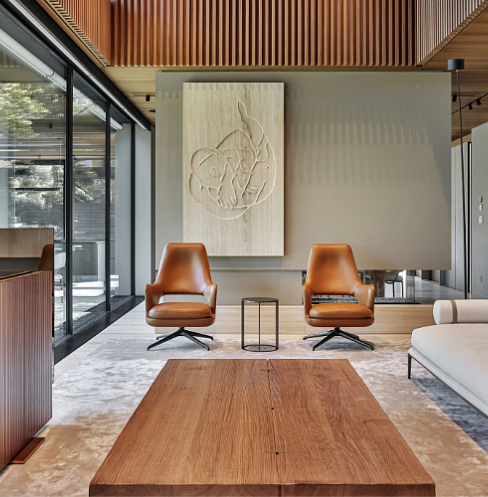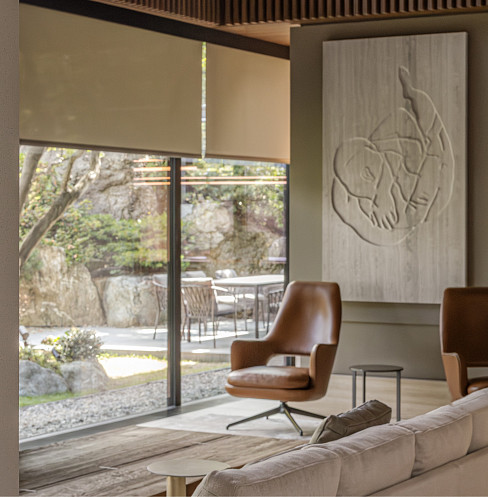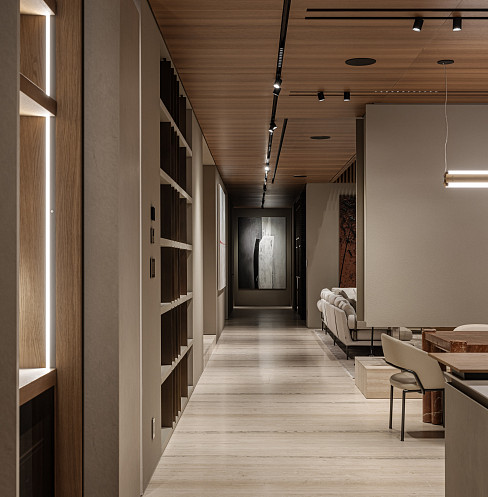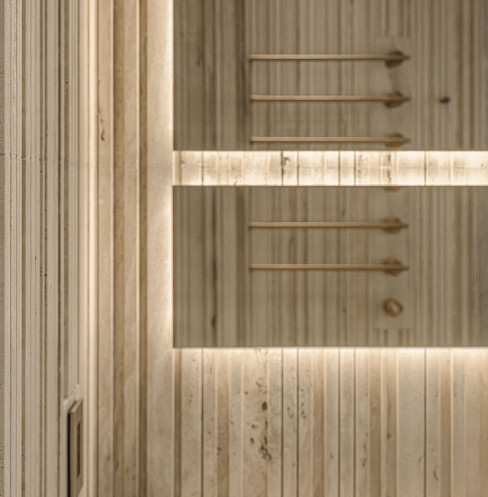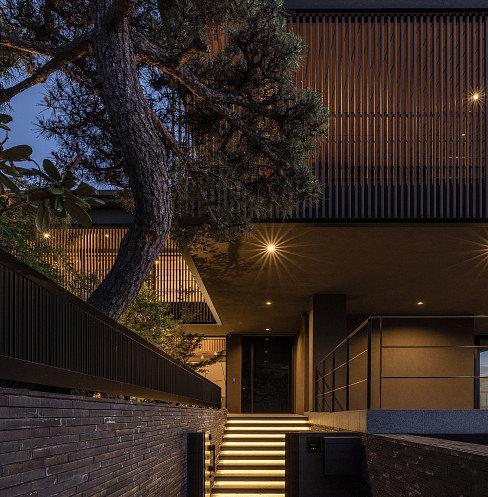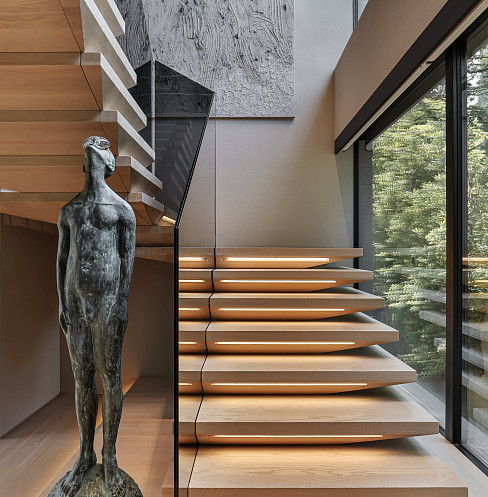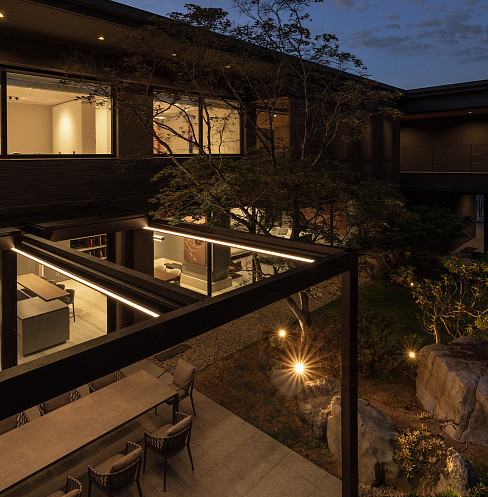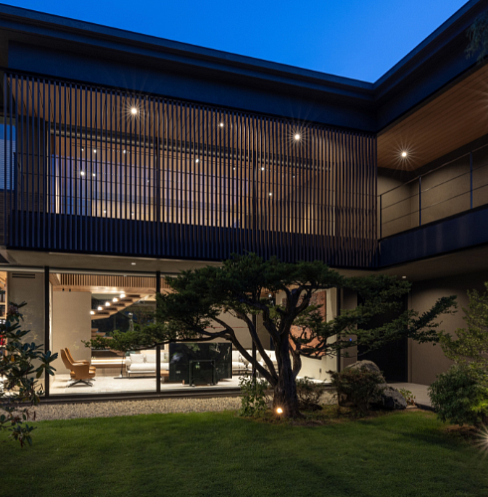
Yumenomori, meaning “Forest of Dreams”, is a minimalist home of clean lines and natural materials, set in a landscape of snowy winters and warm summers. Yodezeen Architects designed it with large glass walls to bring the outdoors in. The client wanted technology that fits that calm, and a team that could deliver it, so he turned to the Bureau of System Integration, a European team the architects knew well and trusted.
With no local integrators on Hokkaido, nearly everything was planned in advance. The team designed and documented all the lighting, heating and control scenes, and built the control panels and equipment rack in Europe, wired and tested, before shipping them to Japan.
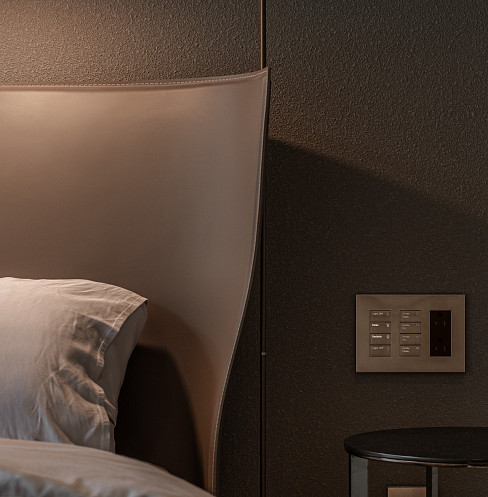
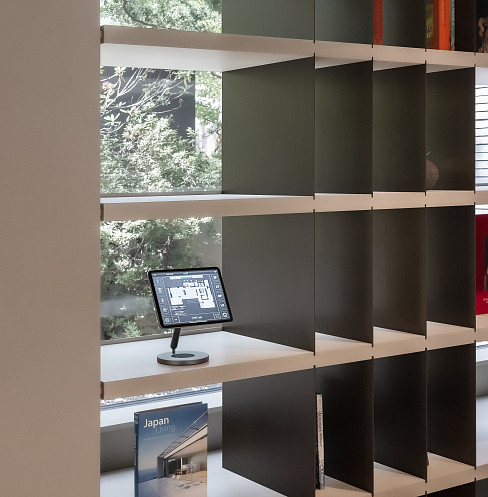
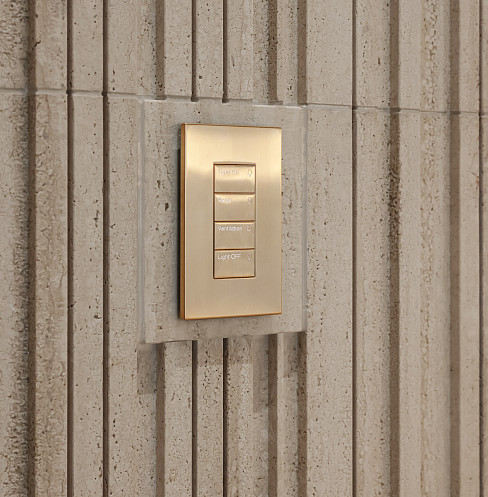
The result is a home that is easy to live in. Lutron lighting and shading work in scenes for the time of day, with large blinds that cut heat from the sun by day and give privacy at night. Climate control copes with Hokkaido’s changing weather, so a sunny south-facing room can be cooled while a north-facing room stays warm. In the master bedroom, a custom curtain track keeps the view uninterrupted. The family controls everything from tablets around the house, with simple controls for everyday use and an advanced level for the homeowner. Engraved, backlit Palladiom keypads match the interior design, and the client’s Bang & Olufsen system is integrated with the rest.



The entire project was designed, programmed, and pre-assembled remotely by a European team, with cable verification carried out using Microsoft Teams and VR tools, directing a local electrician wearing VR glasses through the installation in real time.
Large-format Lutron Sivoia roller blinds were grouped into coupled systems for synchronized, precisely aligned movement, operating as solar shading during the day and privacy control via timer at night.
An astronomical timer activated pathway, entrance, and step lighting automatically at sunset with late-night shutoff, supplemented by motion sensors for localised activation, avoiding both light pollution and disruption to neighboring properties.
A 3D-printed magnetic fixing was developed specifically for this project, letting the fabric be manually moved aside on the motor side while avoiding the typical fabric "stacking" that would compromise the room's uninterrupted sightlines.