
Oct 5, 2026 • Blog, Smart Home by Room

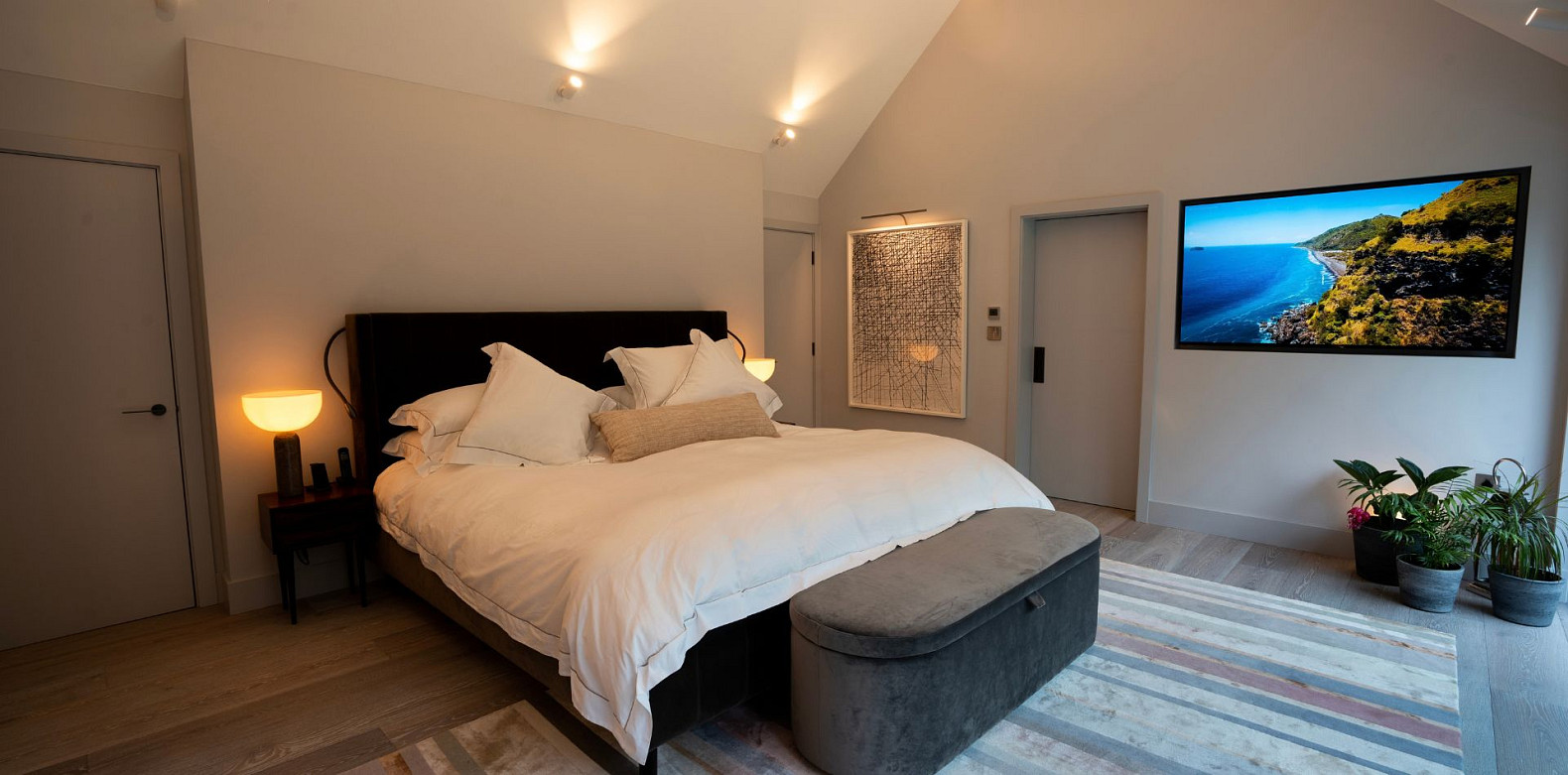
Light exposure sends a signal to your brain to suppress melatonin, which is the hormone that tells your body that it’s time to sleep. When melatonin production is suppressed, you’ll feel less tired. Blue light is particularly disruptive, and this is emitted by phones, tablets, TV, and some bedroom lights.
Bad bedroom lighting, including bright LEDs and fluorescent blue-toned bulbs, can interrupt your body clock, which is known as your circadian rhythm. If your body sees artificial light in the evening, it will misinterpret this as a signal that it’s daytime and respond by suppressing melatonin production. As a result, your body won’t receive the correct signals to aid sleep.
Many bedroom lighting set-ups are bad because they use one fixed bulb colour with a consistent level of brightness whatever time of day. While this may be a convenient and easy-to-install lighting solution, this type of light will work against your body when it comes to winding down at night. If you turn on bright bedroom lighting while you get ready for bed, you may find that it wakes you up.
Utilising smart lighting that changes colours, tones, and brightness levels is one way of improving circadian wellness in your smart home.
Your bedroom lighting doesn’t have to ruin your sleep quality. We’ll take you through the most common problems and advise on how you can use smart lighting to help you get a better night’s rest.
Many bedside lamps and overhead fittings use cool white bulbs. While these are appropriate for daytime tasks, the light they emit is not suitable for winding down in the evening.
The best smart bulbs for sleep are tunable ones that can prevent cool white light. With these, you can programme the colour to shift to warmer tones after sunset, which will limit melatonin suppression.
Going straight from bright light to total darkness at bedtime doesn’t give your body a transition period to prepare for sleep, which means some people will feel restless once they get into bed.
With a smart set-up, you can create a time-scheduled, sensor-activated, or voice-triggered wind-down routine to slowly warm and dim bedroom lighting over 20 to 30 minutes. This gradual transition makes it easier for your body to recognise that it’s time to sleep.
An example of a smart lighting wind-down scene might be:
You can combine lighting with other elements, such as heating, to create broader smart home routines that help you wind down. For example, a smart thermostat can cool a bedroom to create a more comfortable nighttime-appropriate temperature.
Waking to a sudden bright light, or no light at all, disrupts the body's natural wake signal. In the winter, you might struggle to get up when you’re greeted by darkness. However, turning on a bright bedroom light first thing can be an unpleasant experience.
In a smart bedroom, you can pair lighting with an alarm to simulate a gradual sunrise. This can help your body transition from sleep to wakefulness. A sunrise alarm is one way of using smart lighting to help with seasonal affective disorder (SAD).
Tunable bulbs, a wind-down schedule, and a sunrise-style alarm clock can all run from the same setup. You can take these fixes even further by thinking beyond lighting and embracing calm technology and ambient sensing where lighting, temperature, and sound all work harmoniously together.
Smart lighting also pairs well with smart blinds. You can keep blinds down for longer in the summer to block out early and disruptive light, and improve your smart home in winter by using gradual lighting to mimic sunrise even when it’s still dark outside.
|
Mistake |
Smart Lighting Fix |
|---|---|
|
Cool white light after sunset |
Tunable smart bulbs that shift colour and tint |
|
No wind-down transition |
A smart home routine which gradually dims lighting |
|
Harsh or non-existent wake-up lighting |
A smart alarm which mimics sunrise |
With the help of a CEDIA-certified Smart Home Professional, you can create a bedroom that utilises smart lighting and other complementary technology in sleep-friendly ways.
You can set up your lighting to be on a time-based schedule to improve your wind-down and wake-up routines. With a connected smart system, you can manage lighting, blinds, room temperature, and more tech from a central smart home dashboard or unified voice-activation or app-based control.
An effective smart bedroom will use technology to create a restful, welcoming atmosphere in the evenings and a gentle yet energising ambience for wake-up time.
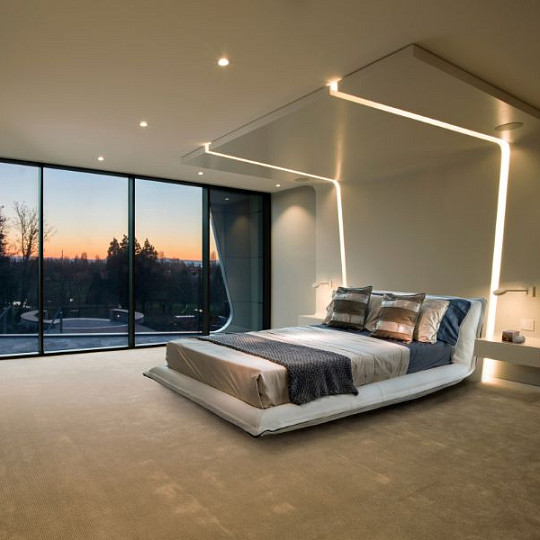
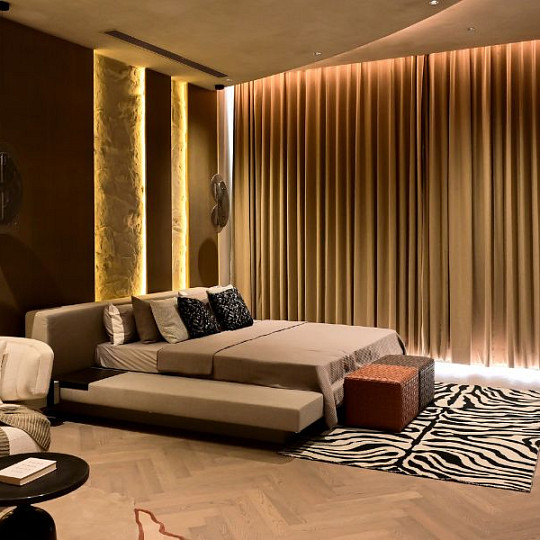
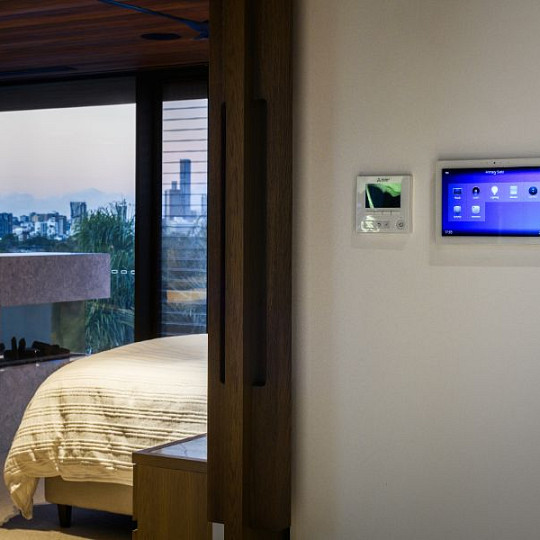
Many homeowners who are struggling to sleep try various solutions to fix their restless nights. However, few consider that their bedroom lighting could be ruining their sleep quality. As our brains respond to changing levels of brightness and tones, configuring smart lighting to complement your body’s circadian rhythm can help improve sleep. And by combining lighting with other tech, like smart temperature controls and blinds, you can make your bedroom a much more comfortable space for rest.
If you’re interested in creating a smart bedroom, read our Smart Home Professional hiring guide to learn about choosing an installer.
Tue, Oct 13, 2026
Renovations: Smart Home Decisions to Make Early
Sun, Oct 11, 2026
Smart home systems that actually add value when you sell your house
Mon, Oct 5, 2026
What to Ask a Smart Home Installer Before They Start

Wed, Sep 30, 2026
What does a CEDIA-certified Smart Home Professional actually do?