
By CEDIA - Jun 29, 2026 • Last Updated: Jun 30, 2026 • Blog
To bridge the gap between integrators’ data needs and consumer trust, CEDIA offers a set of rigorous industry recommendations. The RP1 standard, also known as ‘performance facts’, sets out the best practices for integrators to use when highlighting key performance data.
In the context of audio, this is especially important. Throughout this guide, we’ll look at the newest developments – RP –1-1 – and how these apply to loudspeaker calibration.
Loudspeaker calibration help audio systems reproduce sound accurately and consistently, looking at metrics like sound pressure level and frequency response. The key roles of these protocols are to:
Without these, installations may vary between projects. CEDIA’s RP 1-1 guidelines help to maintain one universal recommendations of audio performance.
The CEDIA RP –1-1 guideline is an extension of RP1 performance facts, which were finalised by the CEDIA Standards Committee in 2025. These recommendations ask manufacturers to provide clear engineering facts about their products.
In the context of loudspeaker calibration, CEDIA RP –1-1:
Rather than rigid rules, RP 11-1 is a guideline. It complements existing design practices, offering structured recommendations that promote universal recommendations across all projects.
The key principles of loudspeaker placement apply to front channels, surround channels, subwoofers, and height/immersive speakers.
All speakers should be aligned with the listening position, i.e., at ‘ear height’. There should be symmetry across the area, for example, two ceiling speakers positioned in parallel with each other. Installers also need to consider elevation and angles, assuring proper distribution depending on the speaker type.
Finally, we need to think about the distance from walls and reflective surfaces. Placed incorrectly, loudspeakers risk audio coloration, distorting the sound.
The following best practices apply to each speaker type:
| Speaker Type | Placement | Objective |
|---|---|---|
| Front L/R | Equal distance from listening position | Balanced stereo imaging |
| Center | Directly aligned with the screen | Clear dialogue |
| Surround | Slightly behind listener | Immersive sound field |
| Subwoofer | Depends on room type | Equal distribution of bass |
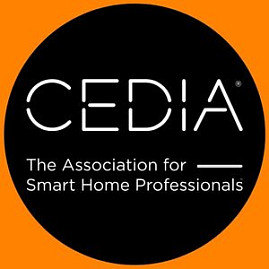
After placement, integrators need to follow best practices for calibration. This starts with using approved, professional calibration tools, as recommended by industry bodies like CEDIA.
All testing should commence from the primary listening position, at ear height. It’s also important to conduct multiple tests for the most accurate results.
On top of calibration standards, integrators need to be aware of:
The room’s shape and furniture placement could affect sound distribution, such as absorption through soft materials or reverberation in curved rooms.
Building materials may affect how sound carries, for example, brickwork. Integrators should work with construction teams to determine if structural work is needed.
Each client has their own preferences on how a project looks. This may affect placement and speaker types, for instance, they may prefer hidden ceiling speakers.
Many factors amplify or inhibit sounds, including soft furnishings, hard surfaces, room shape and height.
RP1-1 lays out the technical specifications of each speaker type and use, which can help to overcome these challenges.
As with any smart home project, client outcomes should be the primary motivator. By adhering to RP-1.1 guidance, integrators will assure consistent quality long-term. The recommendations also:
In turn, we deliver a stronger service and see higher customer retention rates – while preventing wasted costs and time from unnecessary callouts. A strong set of recommendations ensures repeatable quality across all projects.
Loudspeaker calibration goes beyond the equipment itself and assures consistent methodology. The CEDIA RP–1-1 recommendations offers a clear framework for reliable audio performance, resulting in smoother projects and more satisfied customers. To learn more about the latest industry recommendations, join CEDIA today
Join CEDIA
Mon, Jun 29, 2026
Loudspeaker RP –1-1 Calibration Industry Recommendations Explained
Mon, Jun 29, 2026
Choosing the Right Switches and Dimmers for Smart Homes
Thu, Jun 25, 2026
Which Smart Home Protocol Is Best For Installers?
Wed, Jun 24, 2026
CEDIA Smart Home Awards EMEA Celebrates 20 Years in 2026
Wed, Jun 17, 2026
CEDIA Industry Leaders Forum Debuts at ICC Sydney