
You may have heard of smart home devices for entertainment like home cinemas and speakers – but what about accessibility? The advent of Internet of Things-enabled tools has given rise to assistive technology, ideal for vulnerable or elderly people.
Smart home technology isn’t only for entertainment. Today’s connected devices can also support accessibility, helping elderly homeowners, disabled people, and caregivers create a home that’s easier to control, safer to live in, and simpler to manage day to day.
With the right setup, often called assistive technology, you can reduce the need for physical touch, automate routine tasks, and enable voice or app-based control for key systems like lighting, heating, doors, and security.
Benefits Find a Smart Home Installer
Smart home accessibility focuses on simplifying interactions and reducing physical barriers. Depending on your needs, an accessible smart home can help with:
A CEDIA smart home professional can design a solution that fits your home, your budget, and the level of support you want without pushing a specific brand.
Find a Smart Home Installer Near YouAccessible smart home systems often combine a few core categories. Common options include:
These tools can also provide reassurance when you’re not physically present—without removing independence.
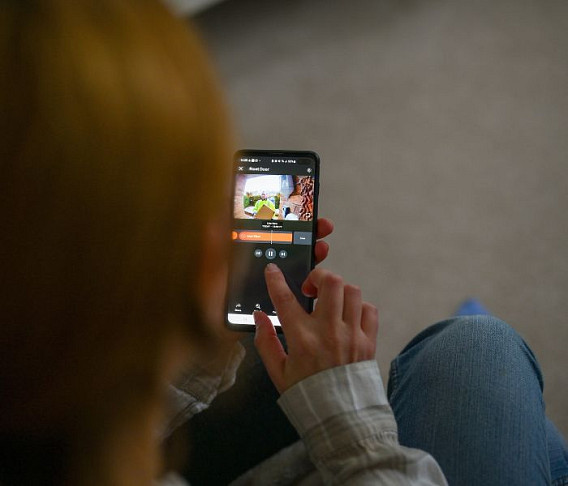
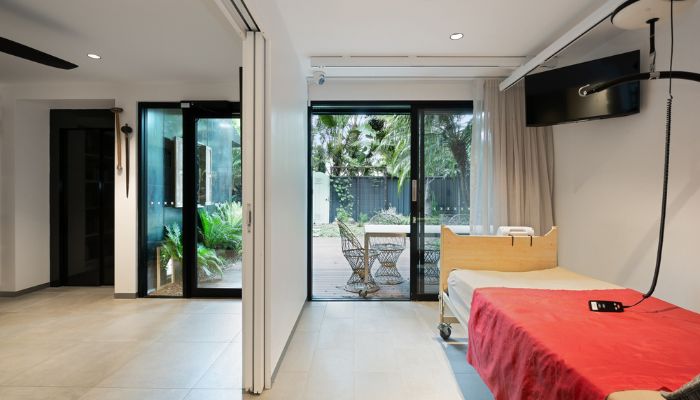
Even small tasks like turning on a light can be difficult for vulnerable homeowners. Smart home accessibility can support both residents and caregivers with:
Voice assistants (such as Apple Home, Alexa, or Google Nest) can control compatible devices over Wi‑Fi. That enables hands-free actions like:
When a professional integrates voice control across your home systems, it becomes more reliable and easier to use.
Health and safety systems can notify a monitoring centre, family members, or caregivers. Depending on the setup, this may include:
If something looks wrong, alerts can trigger a call, a visit, or emergency support.
Many hubs, tablets, and phones include built-in accessibility features, such as:
You can also add apps for transcription, communication support, and hearing accessibility.
Accessible security can reduce risk and improve confidence at home. Examples include:
Remote access can help families stay informed while still respecting privacy.
Automation can reduce daily friction and improve comfort:
A well-designed accessible smart home makes control simpler. Devices that normally require manual use like locks, lights, and heating, can be managed via Bluetooth, Wi‑Fi, voice, or an app.
For caregivers, remote access can provide:
If your goal is independent living with support when needed, smart home accessibility is a strong place to start.
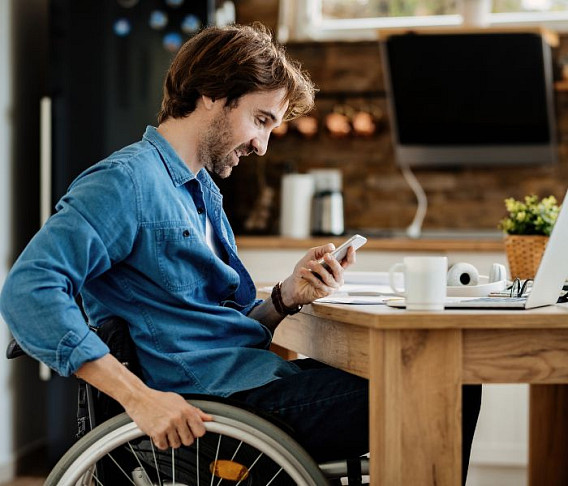
Costs vary based on your home and requirements:
As a rough guide, many professionally integrated projects fall around £3,000–£5,000, depending on construction needs, device choices, and the level of integration.
A CEDIA member can help you prioritise what matters most and build a system that fits your budget.

Smart home accessibility uses connected devices such as voice assistants, sensors, smart locks, and automations, to make a home easier and safer to use for elderly or disabled homeowners and their caregivers.
Common options include voice control, automated lighting, smart locks, video doorbells, motion sensors, and safety alerts (smoke/CO, fall detection, or unusual activity notifications).
Yes. Assistive smart home technology can reduce physical effort, simplify control of lighting/heating/doors, and provide safety monitoring, supporting independence with optional caregiver alerts.
Basic devices can cost under a few hundred pounds. Professionally integrated systems often range into the thousands; many projects fall around £3,000–£5,000 depending on needs and complexity.
For single devices, not always. For reliability, multi-device integration, and accessibility-first design, a qualified smart home professional can tailor the system to your home and needs.