
By CEDIA - Wed, Mar 25, 2026 - Blog, Smart Devices/Appliances
The modern bathroom is evolving from a functional space into a wellness retreat. Smart home technology is helping homeowners create immersive bathrooms that combine hydrotherapy, chromotherapy lighting and aromatherapy.
Solutions, like digital steam showers and voice-activated wellbeing routines, are transforming bathrooms. Why go to the spa when you can have one indoors?
In this article, we’ll explore luxury bathrooms and the possibilities of smart home spa tech.
A smart home spa is a wellness space that uses digital technology to create a relaxing environment. It can include mood-enhancing lighting, responsive scent dispensers, waterproof sound systems and automated temperature adjustments. A home spa may be within a smart bathroom or a separate space curated for wellness.
The growth of smart home spas fits in with increased interest in tech that's beneficial for health. While there remains a market for standalone devices, like smart air purifiers to prevent bathroom mould, luxury smart bathrooms take technology to another level. A smart home spa unites all elements in a central system. With professional integration, you can adjust water temperature, scent and sound with a single trigger. The simple synchronicity is ideal for creating spa-like experiences.
Hydrotherapy refers to any treatment method that uses water. At a spa, this includes aquatic exercises, steam rooms and jacuzzis. It's possible to have hydrotherapy at home with the right technology.
Home hydrotherapy solutions include:
When used correctly, hydrotherapy can enhance muscle relaxation, boost circulation and reduce stress. It can also make it easier to replicate spa-like experiences at home, with precise temperature and humidity control.
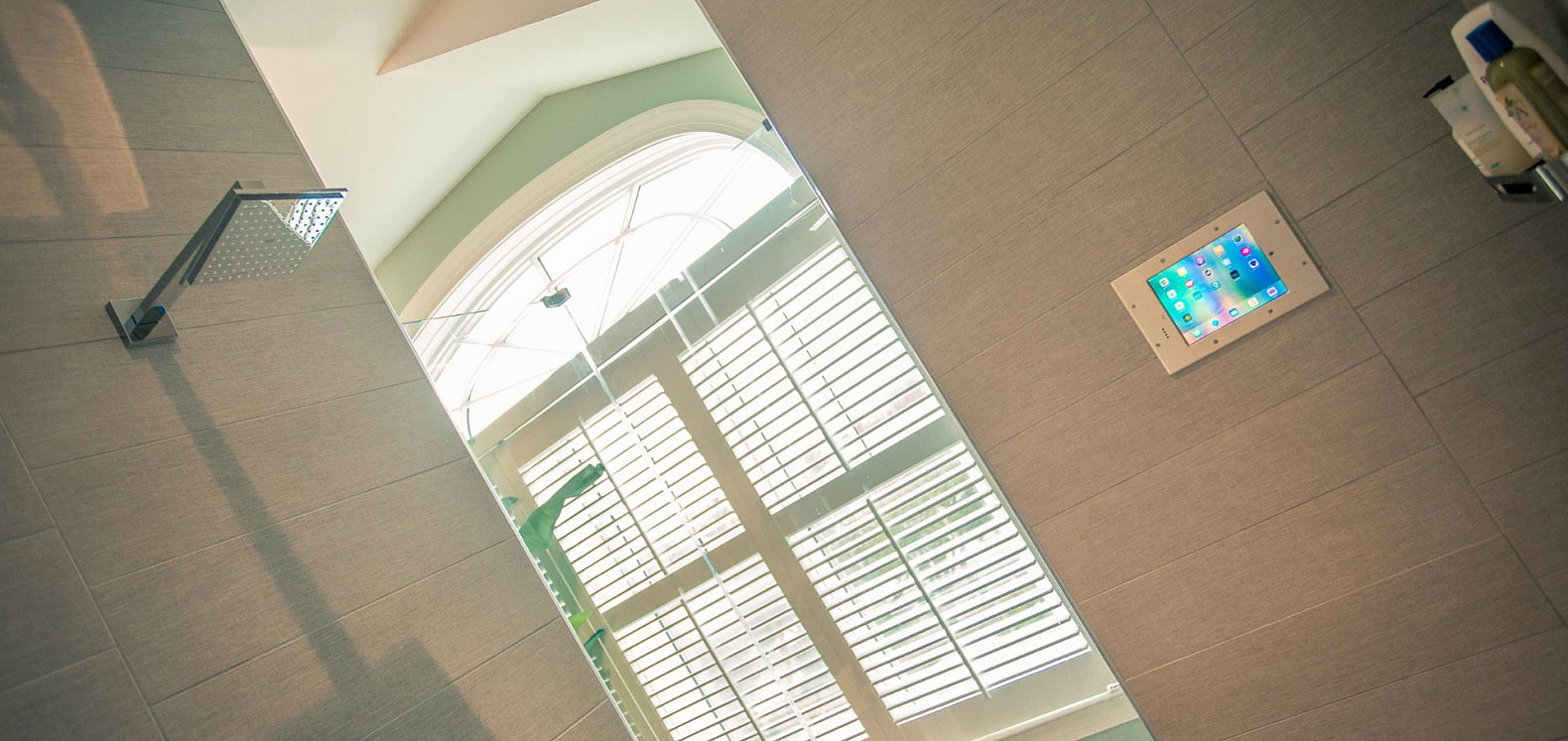
Chromotherapy is the use of coloured lights to influence mood and wellbeing. Different colour lighting has different effects. For example, red light is thought to rejuvenate skin, ease stiff joints and increase blood flow. Meanwhile, green light can potentially relax muscles, aid stress relief and promote recovery.
You can use tunable and circadian lighting in showers, baths and ambient bathroom spaces. For example, underwater LED lights can emit blue light to hopefully reduce aches and bright bathroom lights in the morning can help you wake up.
It's worth using a professional to install smart lighting for safety and accuracy. A professional will ensure correct colour rendering. They can also avoid harsh transitions between light levels and shades.
Aromatherapy is a type of holistic therapy that uses essential oils to improve physical or emotional wellbeing. You can apply essential oils, such as lavender, tea tree oil and rose, to your skin or inhale them. Many people find that certain oils relax them or improve their sleep.
Using smart integration, you can embed aromatherapy into a bathroom. You can disperse oils via heating, ventilation, air conditioning (HVAC) scenting systems. Smart diffusers are another option, too. However you scent a room, you can use a central system to control it or set up automations. For example, you could program aromatherapy to begin whenever you shower in the evening.
Professional installation is important to ensure consistent delivery of aromas and safe usage.
The digital steam shower can help homeowners recreate a spa experience at home.
Steam showers use generators to create humid environments. With steam, a shower becomes a relaxing all-body experience rather than a practical moment for cleansing.
As for digital steam showers, these take things even further. With programmable presets, you can combine lighting, music and aromatherapy. One command can trigger a multi-sensory, spa-worthy experience.
Digital thermostats also give people complete control over water temperature and flow. Plus, homeowners can set timers to save water (or encourage them to get on with the day).
Plumbers and Smart Home Professionals can work together to install safe digital showers. Professional guidance will ensure the steam showers have efficient moisture management.
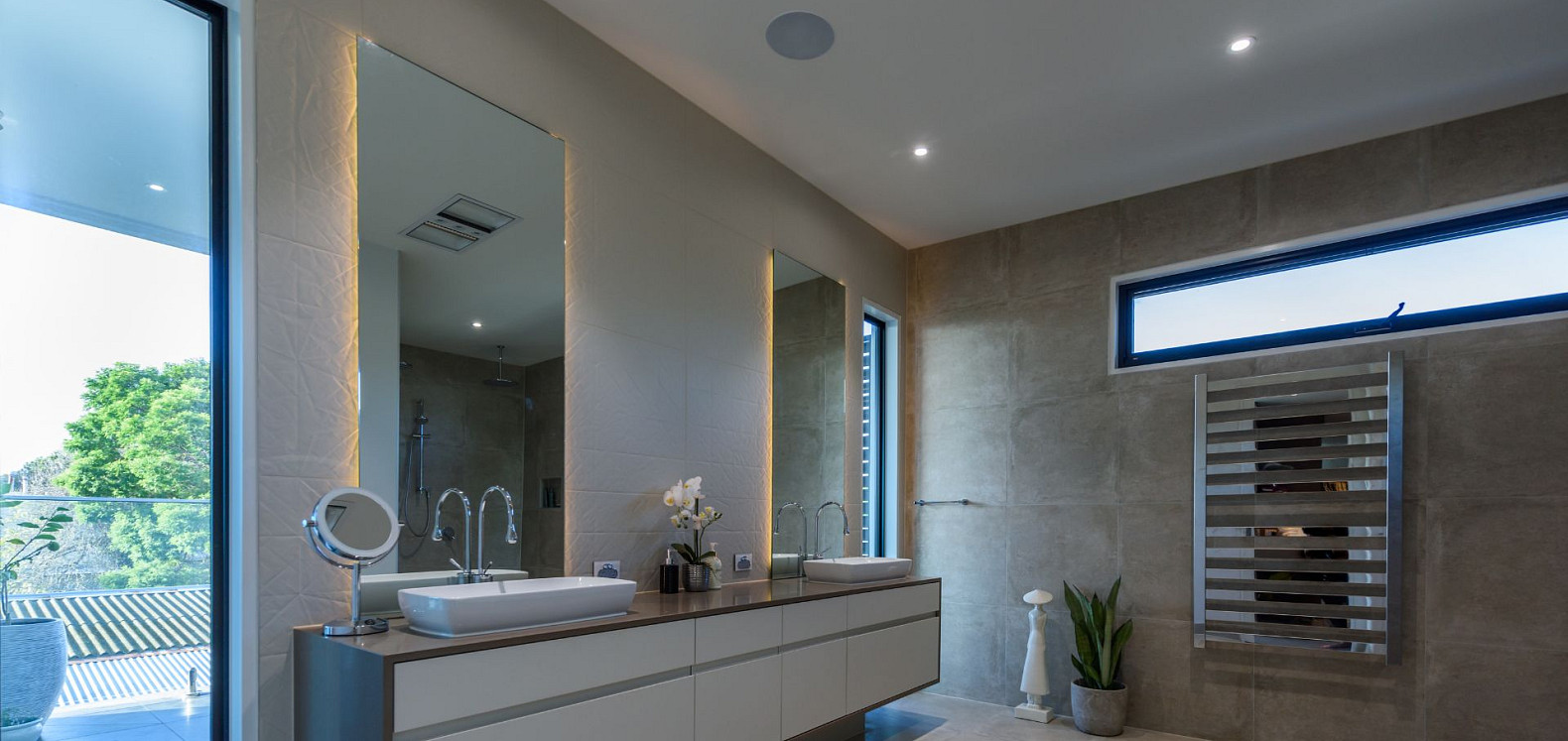
There are many more tech elements that can feature in a smart bathroom.
For example, there are smart mirrors. These mirrors double up as touchscreens that display information like time, weather and routines. Bathroom-suitable smart mirrors tend to have anti-fog capabilities so that they don’t steam up. Plus, many have built-in lighting to make it easier to apply makeup at any time of day. Some even include Bluetooth speakers, helping people soundtrack getting ready with music.
As bathrooms involve water and, therefore, wet hands, voice control is another popular feature. With voice-activation, a user can safely trigger commands even if they’re mid-shower.
You can program many spa scenes through centralised smart control systems, including:
Smart Home Professionals can help design and schedule these routines. For example, you may want to pump pleasant scents into a bathroom early in the morning so that the room energises you.
While you can program some standalone devices, such as diffusers, to work on timers, there are many benefits to whole-system coordination. By bringing everything together, you can create routines that unite lighting, aromatherapy, heating and more. One command can adjust LEDs’ colours, scent dispersal, and room and water temperature. The combination of actions is what enhances a home spa routine.
Managing humidity, electrics, lighting, plumbing and smart tech controls requires specialist expertise. Professionals can work together to ensure that systems are safe, reliable and personalised. You can also use professionals for maintenance to ensure that your luxury wellness space keeps adding value to your life.
By integrating hydrotherapy, chromotherapy and aromatherapy into your bathroom, you can create an immersive spa environment at home.
Wed, Mar 25, 2026
Integrating Aromatherapy & Hydrotherapy In The Home
Wed, Mar 11, 2026
Smart Home Gesture Control for Accessibility
Wed, Mar 11, 2026
Bringing Life into Your Home with Smart Indoor Gardens
Wed, Mar 11, 2026
Best Smart Lighting For SAD
Tue, Mar 10, 2026
The Future of Cooking With Robotics and AI in the Kitchen
Wed, Feb 25, 2026
Smart Homes That Don’t Shout: Calm Tech & Ambient Design