
By CEDIA - Mon, Jan 5, 2026 - Blog, Smart Home by Room
Smart apartments are gaining popularity, with an increasing number of multi-dwelling units (MDUs) embracing modern technology. Why? It’s a combination of growing demand and building owners realising the benefits of tech.
Many of today’s tenants want to enjoy the same connected living possibilities that smart homeowners have. Owners of apartment blocks also recognise the advantages of smart technology, such as increased security with smart locks. It’s therefore unsurprising that managers of MDUs are investing in tech to improve their properties and keep up with competition.
In this article, we’ll investigate the growth of smart home technology for apartments, outline example uses, explain the importance of professional installations, and much more.
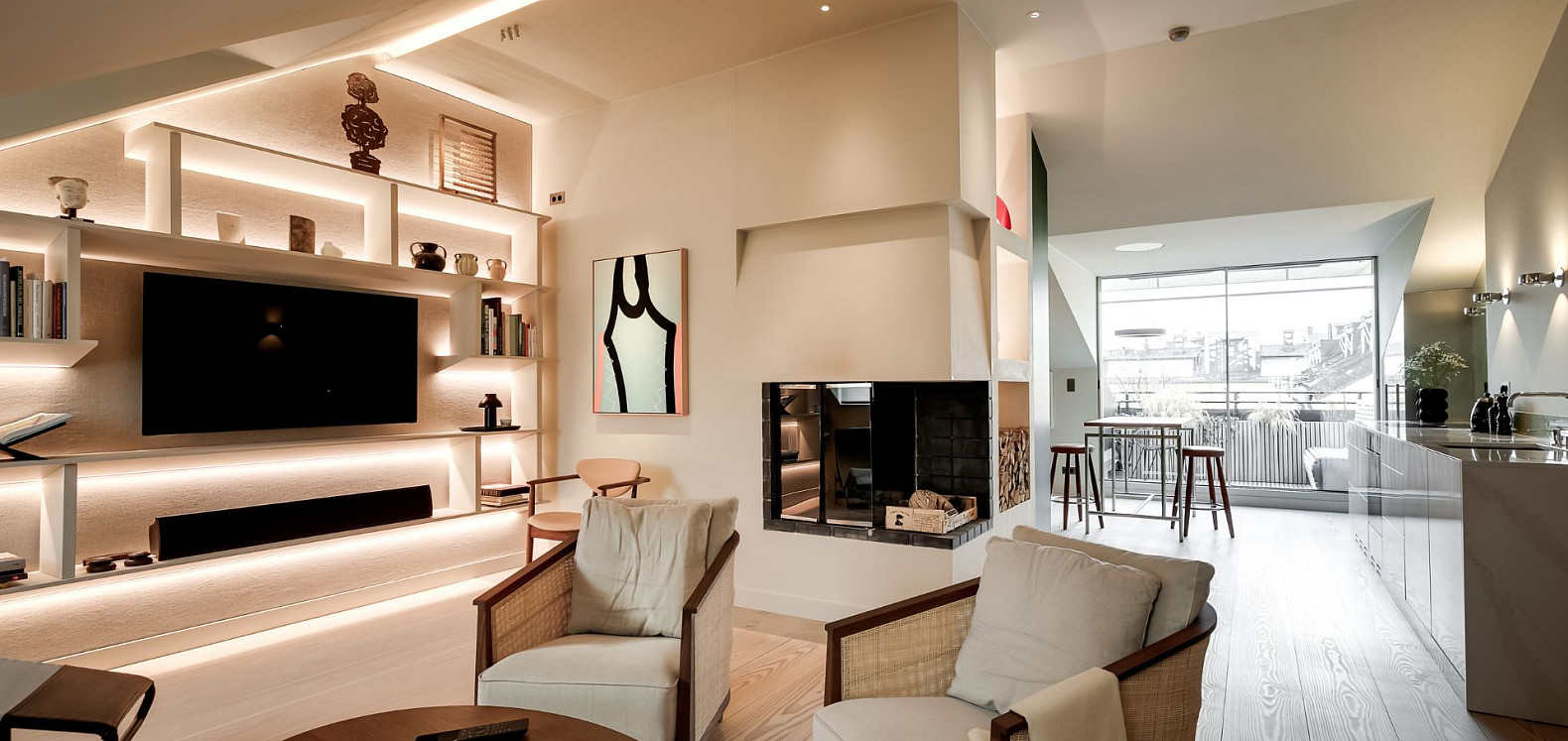
A smart apartment is a type of residential unit that features smart home technology.
You could use the term smart apartment as an alternative to smart home for smaller properties that embrace smart tech. However, generally, a smart apartment refers to a space within a managed building that uses smart technology across its units and shared areas.
Within the context of smart apartments in MDUs, you can expect to find the following in a connected system:
A connected system like this also usually gives building management teams access to energy-monitoring information. With usage visibility, teams can identify ways to improve sustainability. For example, they might notice that lights are left on in empty corridors. In that scenario, a manager might install motion sensors and program lights to automatically turn off when no movement is detected.
While individuals can use some standalone tech in their own apartments, such as smart speakers for entertainment, a building-wide system allows for more complex tech requirements.
Building owners can use integrated systems to manage climate, security, and risks. For example, a building manager could set up smart heating to let every tenant control their apartment’s temperature. Without this, tenants might need to contact someone for adjustments or rely on plug-in devices to change temperatures – consuming extra energy.
An integrated system also improves security as building management can more easily monitor cameras in one place. Tenants can also benefit from video doorbells.
A fully-integrated system can also link up fire alarms and leak detectors. So, if there is an urgent issue in one apartment, it will trigger a building-wide emergency alarm.
Due to the complexity of connecting systems across apartments, professional installation is essential for ensuring reliability and interoperability. CEDIA-certified integrators can help building owners create bespoke systems.
The smart apartment market has grown rapidly in recent years, and it’s still expanding. According to a report by the Business Research Company, the smart apartments global market size reached $3.61 billion in 2024 and is expected to grow to $6.69 billion in 2029.
There are several reasons why smart apartments are on the rise. One of the reasons behind their growth is a desire to increase energy efficiency. The wish to reduce energy usage is driven by two factors: boosting sustainability and saving money. With smart systems, you can optimise the energy used across a building for core systems like heating and lighting – reducing energy wastage and bills. It’s a win-win.
Smart tech also makes remote management easier. Building managers can keep an eye on their properties via surveillance that they can watch from anywhere. They can also set up automated alerts to inform them of anything that needs their attention.
Another reason smart apartments are in demand is changing tenant expectations. Developers and landlords need to differentiate their properties from others on the market, and having smart tech is a great way of appealing to tenants. As smart homes become normalised, more of those who live in apartments will likely want to enjoy the same technology. If building owners want to match expectations, they’ll need to think seriously about incorporating smart tech.
Space efficiency is an important consideration when incorporating smart technology in an apartment. Put simply, you don’t have as much room to work with as you do in a smart home.
One way of maximising available space is to install multifunctional solutions. For example, lighting units can double as motion sensors. Furniture can also feature integrated charging stations to make up for limited power points.
Having too many devices in a small space can make an apartment feel cluttered, so it’s important to ensure that all smart elements are useful. Tenants do not want their spaces filled with tech they won’t use. All pre-installed inclusions should make life easier and homes more sustainable.
Good smart tech should help people make better use of limited space. For example, a smart TV that doubles as a music player and a control panel for heating saves on the need for other devices.
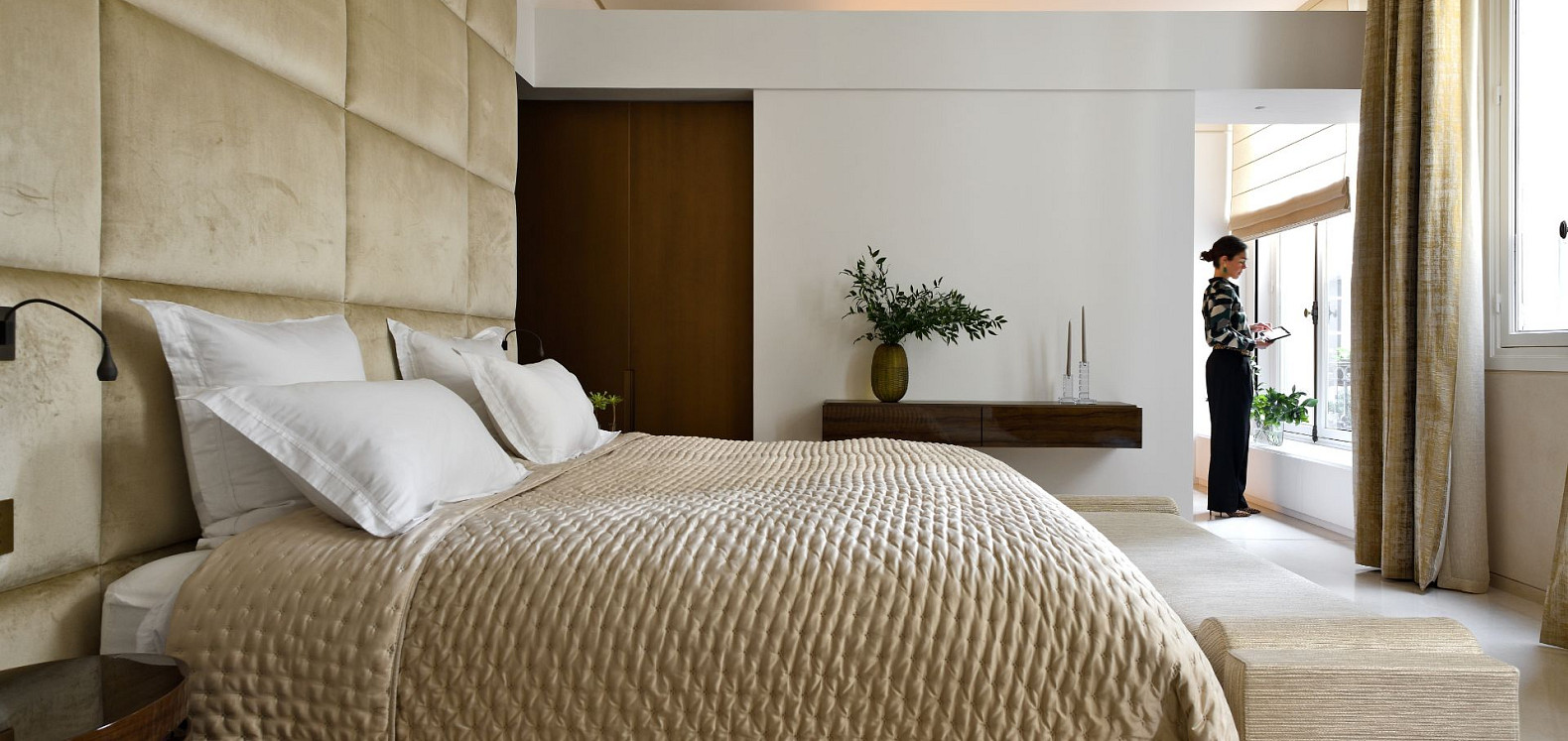
Smart apartments have numerous benefits for those who live in them and those who manage MDUs.
For tenants, smart apartments can offer:
For building managers, the benefits of smart apartments include:
Professional integration is crucial to successfully installing smart home technology across an apartment block.
A Smart Home Professional will set up tech securely and safely. They’ll also check interoperability across devices and warn of any potential compatibility issues. CEDIA-certified integrators can also offer ongoing support, including troubleshooting tenants’ issues.
While individuals might try their hand at some DIY smart tech, installing a building-wide system in an MDU is an ambitious project that requires a professional.
Multi-dwelling smart buildings will become increasingly common as more new builds occur and demand for convenient living grows.
In the near future, we’ll likely see more AI-driven automation in these buildings. With improvements in AI, smart tech will be able to automate some building management tasks. For example, AI may analyse building-wide data insights to identify security breaches or property damage without the need for on-site inspections.
The multi-dwelling smart buildings of the future will also likely make more use of energy-sharing, particularly with renewables. For example, you can place shared solar panels on an apartment building's roof. The energy the panels generate can then be used to reduce tenants’ bills. Tech innovations like this are just one of the ways smart apartments could help contribute to governments’ net-zero goals and sustainable city aims.
CEDIA is here to offer advice and practical expertise for those who want to embrace smart technology and enjoy its benefits. If you’re interested in speaking to a CEDIA-certified integrator about smart apartments, visit our directory to find a Smart Home Professional near you.
Wed, Mar 25, 2026
Integrating Aromatherapy & Hydrotherapy In The Home
Wed, Mar 11, 2026
Smart Home Gesture Control for Accessibility
Wed, Mar 11, 2026
Bringing Life into Your Home with Smart Indoor Gardens
Wed, Mar 11, 2026
Best Smart Lighting For SAD
Tue, Mar 10, 2026
The Future of Cooking With Robotics and AI in the Kitchen
Wed, Feb 25, 2026
Smart Homes That Don’t Shout: Calm Tech & Ambient Design