By Elizabeth P. Lord-Levitt - Oct 13, 2026 • Blog
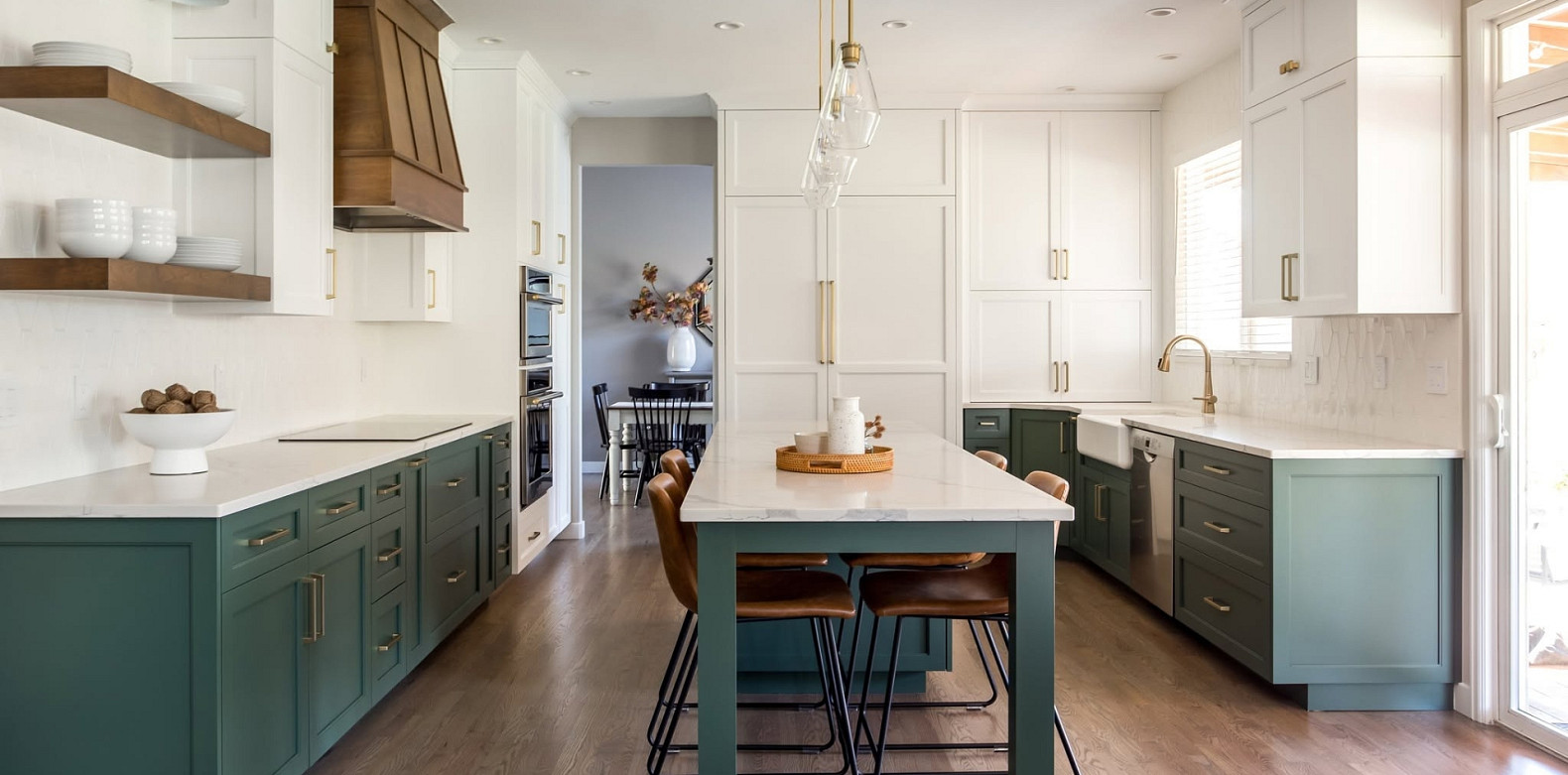
As smart home technology continues to be an increasingly important part of residential design, successful projects depend on more than technical expertise. They depend on collaboration. For Elizabeth P. Lord-Levitt, Principal Designer at Elizabeth P. Lord Residential Design LLC, integrators are not an add-on luxury; they are an essential trade, alongside plumbers, electricians, HVAC specialists, and contractors.
Her advice to integrators is clear: come into the project early, communicate simply, and remember that everyone is working toward the same goal, which is a home that functions beautifully for the client.
One of the biggest opportunities, Lord-Levitt says, is helping designers understand what is possible without expecting them to become technology experts. Designers are often the client’s advocate throughout the construction process, guiding not only the aesthetics, but also the way the home supports everyday life. They need to understand the right questions to ask. Would automated shades make this room more comfortable in the afternoon? Would smart lighting improve security while the client is away? Would a simple bedside control make daily routines easier? Once they have these questions in their back pocket, they can identify for which part of the project an integrator should be brought into the conversation.
Just as important is how integrators explain their work. Lord-Levitt cautions against overwhelming clients and designers with jargon. “Clients don’t know what they don’t know,” she explains. They do not necessarily need to understand the technical details of wire sizes, junction boxes, or system architecture. They need to understand how the technology will solve a problem or improve their lifestyle. A simple handout with a clear menu of options or a “good, better, best” approach can make smart home solutions feel approachable rather than intimidating.
Her don’ts are equally direct. Don’t lead with ego. Don’t arrive on-site acting as though technology takes priority over every other trade. And don’t dismiss smaller scopes of work. A project that starts with automated shades, smart lighting, or a simple TV and speakers set up may become the foundation for a long-term relationship with a designer, and future referrals to larger opportunities.
Integrators can also help designers overcome the perception that technology is competing with the materials budget. Rather than positioning AV or smart home systems as money taken away from beautiful finishes, they should show how the right scope can support both beauty and function. The conversation should not be framed as choosing between attractive design and practical technology, but as finding the right balance for the way the client will actually live in the home.
Experience centers and showrooms also play a valuable role. Lord-Levitt believes designers should visit them before bringing clients, so they can ask questions and understand the options as this will help them better guide the client through decisions.
Ultimately, Lord-Levitt sees the best integrators as educators and collaborators. They make technology feel human. They show designers and clients how small, thoughtful smart home features can make a home safer, more comfortable, more efficient, and more enjoyable. For integrators, the message is simple: be approachable, be flexible, be part of the team. Help designers see technology as another tool for creating better homes.
Tue, Oct 13, 2026
Do’s and Don’ts from a Residential Designer
Fri, Oct 9, 2026
How CEDIA Certification Can Change Your Business
Tue, Oct 6, 2026
How Light, Sound, and Scent Shape the Experience of Home
Thu, Oct 1, 2026
Designing a Home Around Sound - Sponsored