
By CEDIA - Tue, Feb 3, 2026 - Blog
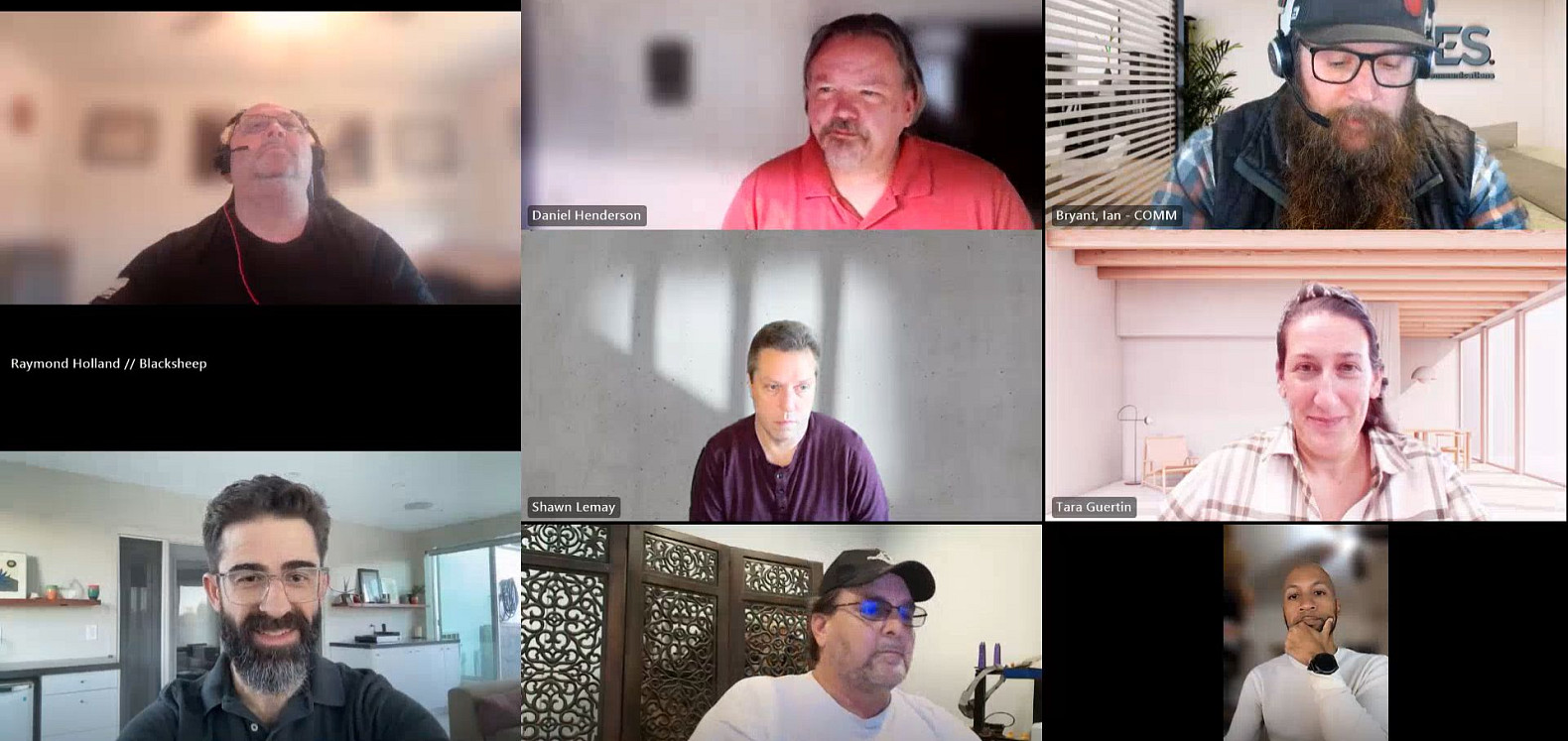
To help ensure the SkillsUSA competition reflects the realities of today’s smart home and technology integration workforce, CEDIA volunteers recently came together to review and update the SkillsUSA technical skills assessment. Drawing on real-world field experience, CEDIA standards, and current industry best practices, the group worked closely to modernize both the written and hands-on portions of the test. The roundtable below features insights from several of the volunteers who helped lead that effort, sharing how the updates were approached, what changed, and why it matters for students entering the industry.
CEDIA would like to recognize and thank all of the volunteers who contributed their time and expertise throughout the process, including Shawn Lemay (Sound & Theater), Louis Rogers (Infocus Technologies), Matt Adams (Houston City College), Ian Bryant (IES Communication), Giles Sutton (Crestron), Pete Trauth (Nirvana Home Entertainment), Sam Hodz (Amplify People), and Daniel Henderson (SkillsUSA National IoT Competition Coordinator).

Can you walk us through how the tests and standards have been updated to reflect current industry practices?
Shawn Lemay: The updates focus on aligning the test with the real workflows and expectations technicians face in the field today. We incorporated current installation practices, and the types of troubleshooting scenarios that reflect today’s jobsite environments. The goal was to ensure students are evaluated on skills that directly translate to what employers need today.
Louis Rogers: As a board, we reviewed the current program content to gain a general understanding. Afterwards, we individually submitted our notes along with comments and suggestions. Information and skills deemed “out-of-date” or “not practical” were then revised and updated.
Daniel Henderson: A big part of the update was making sure the contest reflects what technicians actually do on job sites today. With CEDIA’s involvement and input from experienced installers and industry experts, we reviewed both the written and hands-on portions to identify areas that no longer matched modern workflows. That meant removing or reworking tasks that had become outdated and replacing them with skills, tools, and scenarios students are much more likely to encounter in the field. The goal wasn’t to make things harder, but to make them more relevant and realistic.
What was the process like for reviewing and updating the content?
SL: It was a collaborative process. Each member of the team brought experience, reviewed the existing material, and identified gaps based on what we see day‑to‑day. We compared the standards to current industry tools, technologies, and best practices, then updated the content accordingly.
LR: The process was very smooth and straightforward. All members seemed to be on the same wavelength and share the common goal of supporting the students with valuable, current information.
DH: It’s been very collaborative and hands-on. We’ve held multiple review meetings where we pulled up sections of the content in real time and walked through them together. CEDIA, along with installers, manufacturers, and people who’ve run this contest at different levels, provided feedback based on real-world experience. For example, the team reviewed written test questions for relevance and accuracy, and the practical portion step-by-step to see if it still reflected how work is done today. It’s been an ongoing process rather than a one-time update.
Pete Trauth: The process went smoothly and was straightforward. I made recommendations based on CEDIA standards and industry best practices. There was little friction as all of the experts in the group generally agreed on what updates were needed. Nearly all updates were related to outdated technologies.
How did the team decide which items or sections needed to be updated?
SL: We focused on the areas where the tech has changed the most — especially the shift toward IP‑based systems, and the way technicians actually configure and troubleshoot gear today. If it didn’t match how things really work now, we updated it.
LR: We considered all the notes and suggestions submitted by each member. We then discussed the importance and validity of those submissions using an informal “show of hands” for consensus to ensure the final decisions were well-rounded.
DH: We approached it by tackling the most egregious and outdated areas first—the items that clearly no longer reflected real-world practices or had become impractical in today’s industry. While we were reviewing the content, for the sake of time and impact, we prioritized the sections that stood out immediately as needing attention. We also leaned heavily on feedback from previous competitions, which helped highlight where students were struggling or where the content wasn’t fully aligned with current expectations. Safety was an obvious area to reinforce, and we also recognized that students tend to perform better on the software side, so placing a bit more emphasis on hands-on hardware and installation fundamentals made sense. The goal wasn’t to make it one-sided, but to better balance the skill set students are being evaluated.
PT: All comments were discussed among the group and there was an informal “show of hands” to determine which items everyone agreed on.
How do you think these updates will benefit students?
SL: Students will walk into their first job with a clearer understanding of what’s expected of them. The updated test emphasizes practical, foundational skills that employers value, helping students feel more confident and prepared. It also gives them exposure to real‑world terminology, tools, and scenarios, which shortens the learning curve once they’re hired.
LR: The students will immediately benefit from a program that is not only current but has been directly scrutinized by industry experts to ensure the acquisition of proper knowledge as well as valid and practical skills.
DH: Students will walk into the contest—and ultimately their first job—with a much clearer picture of what’s actually expected of them in the field. The updates place more emphasis on practical, foundational skills that employers value, while still maintaining balance across the skill set. Just as importantly, the contest becomes a learning experience. If a student struggles in an area like hardware or installation fundamentals, it gives them very clear feedback on what they need to work on. Even elements like the interview portion are being shaped to better reflect real-world hiring expectations. While that may make the contest more challenging, the goal isn’t just to win, it’s to help students learn where to improve, build confidence in the right areas, and ultimately knock it out of the park when it comes time to land a job.
PT: They will provide a more accurate representation of the state of the art.
What was most rewarding about being part of this update effort?
SL: It was really rewarding to see how our combined experience can actually make a difference for the next wave of technicians. Knowing that this work will help students start stronger and give employers people who are better prepared feels great. It’s nice to be part of something that genuinely moves the industry forward.
LR: Quite simply, just paying it forward. After a couple of decades of navigating such a complex industry, it's incredibly rewarding to pass along even a few bits of information or experience to the next generation of technicians, integrators, and designers. The future of the industry depends on them, and it is up to us to make certain they have the proper tools to be proficient.
DH: For me, it’s seeing the industry come together to support students in a meaningful way. Running this contest for several years, I’ve seen how much impact it can have, and having CEDIA step in with resources, expertise, and long-term vision has been huge. Knowing that these updates can influence students nationwide and help raise the overall baseline of skills entering the industry is extremely rewarding.
PT: Knowing that the students will be better equipped to find employment and to succeed in the workplace.
If you could give one piece of advice to students preparing for the updated test, what would it be?
SL: Focus on the fundamentals and understanding why certain practices matter. Don’t just memorize — try to understand the “why” behind it. That mindset will serve you well both on the test and on the job.
LR: Take inventory of your resources, utilize them fully and completely. Just like the members of this review board, there are entire communities of educated professionals that are more than willing to assist you in your journey. Online training and product information are plentiful. Go beyond just what you are given; be passionate about your education and future career path, and you will surely excel. Best of luck to you all!
DH: Treat it like the job you want, not just a test you need to pass. Focus on understanding best practices and why things are done a certain way, especially around installation fundamentals and consistency. If you approach it with a real-world mindset, you’ll not only do better in the competition, but you’ll also be much better prepared for what comes next.
PT: Do some hands-on work such as terminating wires, setting up a wireless network, mounting a TV, and wiring an AV system.

Thu, Apr 2, 2026
CEDIA Announced as Official Technology Sponsor of WOW!house 2026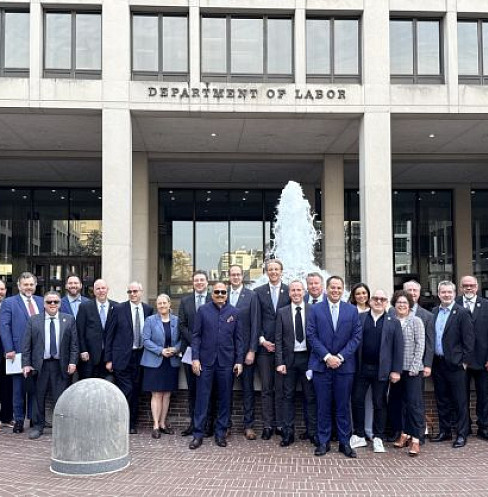
Mon, Mar 30, 2026
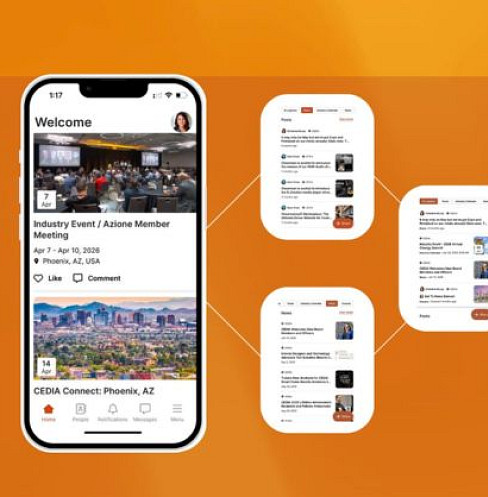
CEDIA Introduces First-Ever Integration Industry Calendar via CEDIA App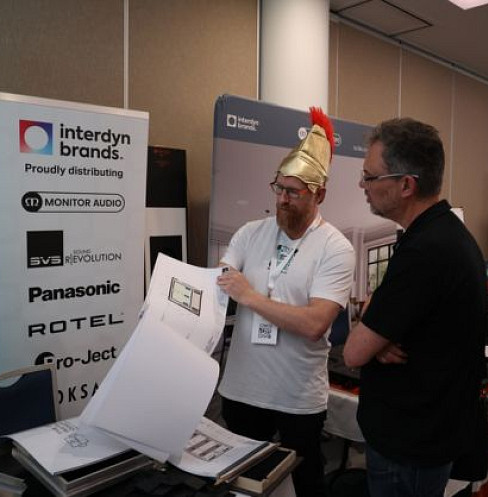
Thu, Mar 26, 2026
CEDIA Launches Integrator Advantage Program for Australian Members
Thu, Mar 26, 2026
CEDIA Smart Home Awards: The Business of Winning
Tue, Mar 17, 2026
CEDIA Named Knowledge Partner for Smart Home Expo India