
CEDIA works to protect and strengthen the US smart home industry through legislative advocacy, professional recognition, workforce development and business support.
CEDIA represents the interests of smart home professionals at federal, state, and local levels. Through government engagement and legislative advocacy, we work to protect integrators' ability to operate their businesses, support professional recognition, and create opportunities for industry growth.
Join CEDIA Government Affairs Resources
Changes to licensing, electrical codes and occupational classifications can affect who performs integration work, how systems are installed and how the profession is recognized. CEDIA helps policymakers understand the specialist nature of this work and represents businesses that may lack the resources to follow every regulatory development.

Representation on legislative and regulatory issues affecting your ability to operate.

Supporting recognition of technology integration as a skilled profession.

Representing the interests of technology integrators in government discussions.
CEDIA considers the implications of policy developments for individual professionals, integration companies and the wider industry.
What is at stake? Cybersecurity, privacy and interoperability increasingly influence connected products.
Why it matters: Policy can affect product choices and the services integrators provide.
CEDIA’s role: CEDIA monitors developments and explains the expertise involved in designing and supporting integrated systems.
What is at stake? Energy and building performance requirements can affect lighting, shading and energy management systems.
Why it matters: Requirements can influence specifications and the homeowner experience.
CEDIA’s role: CEDIA explains how professionally integrated systems contribute to connected buildings.
What is at stake? The industry needs people skilled in networking, cabling, AV and control systems.
Why it matters: Recruitment challenges and limited awareness of smart home careers can constrain growth.
CEDIA’s role: CEDIA supports workforce policies, professional training, skills development and funding for employer training.
What is at stake? Employment regulations affect recruitment, training and workforce management.
Why it matters: Changes may influence operating costs and staffing decisions.
CEDIA’s role: CEDIA monitors developments and communicates their implications for integration businesses.
What is at stake? NFPA 70 sets installation safety requirements, including provisions for limited-energy and communications systems.
Why it matters: Updates and state amendments can affect installation practices.
CEDIA’s role: CEDIA participates in Code-Making Panel 16 and monitors state adoption and amendments. Explore CEDIA’s standards and best practices for related industry guidance.
What is at stake? Existing occupational categories may not adequately reflect the work of technology integrators.
Why it matters: Classification can influence workforce data, professional recognition, insurance and training pathways.
CEDIA’s role: CEDIA advocates for recognition of the profession and its diverse technical skills.
What is at stake? Electrical, security and limited-energy licensing rules can determine who may carry out integration work.
Why it matters: State and local requirements can affect services, staffing and qualifications.
CEDIA’s role: CEDIA communicates the specialist scope of residential integration to legislators and government agencies.
Find information about requirements for home technology work in your state.
Explore State Licensing RequirementsReview industry-related proposals tracked through MultiState Associates.
Track Industry LegislationAccess guidance on state and municipal lobbying requirements through MultiState Associates.
Explore Compliance Guidance


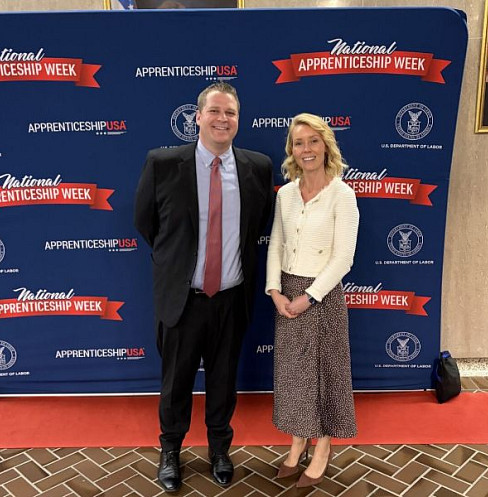



Thu, Jun 5, 2025
CEDIA Wins in Washington and Defends Industry Standards
Fri, Feb 21, 2025
Supporting the Critical Work of Technology Integrators
Mon, Jun 3, 2024
Smart Home Industry Priorities in 2024 Legislative Sessions
Mon, Apr 15, 2024
FCC Adopts ‘U.S. Cyber Trust Mark’ ProgramThe people who design and install residential technology should be represented in discussions about its future. Join CEDIA to become part of a professional community supporting industry recognition, education and informed advocacy.
CEDIA monitors policy developments, represents integration professionals and communicates the implications of proposed regulations to industry stakeholders.
An occupational licensing change can affect which services and technology your company can provide now and on future projects, which employees can perform the work and what training and qualifications are required.
No. Government licenses are issued or administered by the relevant jurisdictions.
CEDIA education and professional certifications are different from statutory licensing and do not automatically authorize regulated systems installation work.
The National Electrical Code® (NFPA 70) contains articles for the installation requirements of limited-energy systems and communications systems installed and supported by Smart Home Professionals on residential technology systems projects.
Use the Legislative and Regulatory Tracking resource on this page to explore relevant U.S. and Canadian legislative and regulatory proposals for the industry.
Stay informed and engaged by reviewing the bill text and status from official legislative sources throughout the legislative and regulatory process.
CEDIA represents professional technology integrators, working with policymakers and industry stakeholders on issues affecting smart home businesses.
Licensing requirements vary by state, locality and the type of work performed. CEDIA provides resources to help integrators understand applicable requirements.
The National Electrical Code establishes electrical safety requirements, including provisions relevant to certain limited-energy systems installed by technology integrators.
Members can share practical examples of regulatory impacts and participate in relevant hearings and meetings. Follow CEDIA’s legislative tracking updates for developments.