
Nov 12, 2026 • Last Updated: Nov 13, 2026 • Guides and FAQs

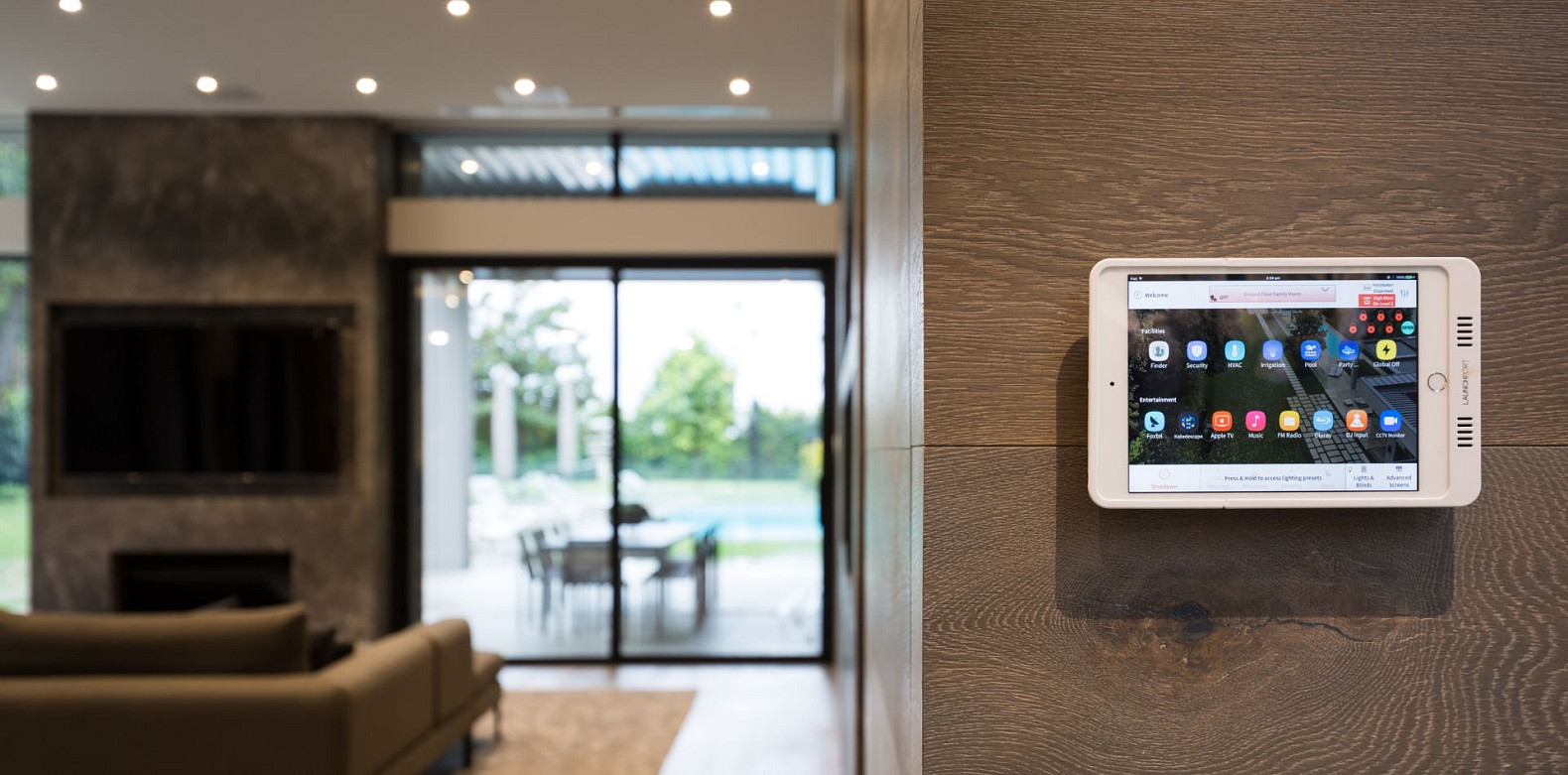
From smart TVs and video doorbells to intelligent lighting, energy management and family wellbeing, new Australian research reveals how connected technology is becoming part of everyday life.
Smart home technology is becoming an increasingly familiar feature of Australian households. From connected entertainment and security cameras to automated cooling, lighting and home energy systems, homeowners are finding new ways to make everyday life more convenient, comfortable and connected.
According to Telsyte’s Australian Smart Home Market Study 2025–2029, 86% of Australian households owned at least one smart home product in June 2026, compared with 76% in 2024.
But the findings tell a bigger story than growing device ownership. Household energy costs, security, comfort and the ability to connect products from different manufacturers all influence what Australians want from connected living.
Telsyte also forecasts the broader Australian smart home market will exceed $11 billion in 2026. Unlike the CEDIA market figures used in the US and UK articles, this estimate includes a wide range of consumer products and services, with household batteries accounting for a substantial share.
Together, the findings offer insight into how Australians are using smart technology and why thoughtful integration matters as connected homes become more sophisticated.
Entertainment, convenience, energy and security all feature in Australian smart homes. Telsyte’s October 2026 research reports increased adoption across energy products, smart appliances and security cameras, but its public summary does not provide a ranked list of the most-owned device categories.
These are examples of smart home product categories, not a survey ranking. Telsyte found that smartphones were the main smart home controller for 58% of smart home users, followed by smart TVs (33%), tablets (16%) and smart speakers or displays (14%).
For homeowners exploring connected technology, CEDIA’s homeowner resources explain how different systems can work together.
Although smart home ownership is widespread, Australian households are continuing to explore ways to improve particular spaces and everyday routines.
Telsyte identified entertainment areas, outdoor living spaces and home offices as the areas Australians most wanted to enhance with smart technology. Connected audio, lighting, shading, climate control and reliable home networking can all contribute to these improvements.
The research also found that 71% of households had allocated a smart home budget, compared with 44% two years earlier. Among households with a budget, average planned spending exceeded $3,500 in 2026.
This does not mean every household plans a whole-home installation. It does suggest growing interest in solutions that address practical needs rather than simply adding another gadget.
While consumer research reveals how Australian households are adopting connected products, Telsyte’s broader market analysis provides context for the industry supplying them.
The study estimates Australian smart home revenue at $7.7 billion in 2025 and forecasts more than $11 billion in 2026. Household battery systems accounted for around two-thirds of market revenue in 2025, so this figure should not be confused with the value of professional residential technology integration.
Beyond batteries, Telsyte reported 19% year-on-year market growth in 2025. Home networking, lighting, shading, entertainment, security and integrated controls all contribute to the experience of a professionally designed connected home.
Reliable connectivity is particularly important as households introduce more devices that need to operate together consistently.
The findings highlight a distinction between owning connected products and having a coordinated smart home. The opportunity is to plan technology around how people live, rather than around individual product features.
Proposed CEDIA expert commentary — subject to approval
“The growing presence of smart technology in Australian homes shows how connected living is becoming part of everyday life. But the real value is not simply the number of devices installed.
“It is about creating a home where lighting, heating and cooling, security and entertainment work together reliably and intuitively. Good design, dependable networking and an understanding of how people use their homes are essential to making that possible.”
Energy management is an important consideration for Australian homeowners, particularly where solar generation, battery storage, air conditioning and electricity tariffs need to work together.
Telsyte found that 61% of surveyed solar or battery adopters were interested in an energy management service. The research also identified saving money and managing rising costs as the leading smart home priority.
Connected cooling systems, automated lighting, motorised blinds and energy monitoring can help households understand and manage energy use. For example, shading can reduce unwanted summer heat gain, while compatible appliances may be scheduled around solar generation or lower-cost tariff periods.
These technologies may help avoid unnecessary consumption, although actual savings depend on the property, equipment, tariff and system configuration.
The Australian Government’s YourHome resource provides further guidance on smart homes and energy management
Connected technology can also help Australian households support older relatives, family members with accessibility needs and people who wish to remain independent at home.
Telsyte identifies wellness, monitoring and comfort as emerging uses for connected products as the population ages, although its public report does not provide a separate percentage for caregiving households.
Motion-activated lighting can illuminate hallways at night, while voice control, automated blinds and connected sensors may make everyday tasks easier. Appropriately configured monitoring systems can also provide notifications when assistance might be needed.
These technologies can support comfort, accessibility and independence, but they should complement appropriate care arrangements rather than replace them.
Security remains an important area of smart home adoption. Telsyte reports continued uptake of smart cameras and video doorbells, even as competition has reduced revenue in that product category.
Connected cameras, smart locks and automated lighting can give homeowners additional ways to monitor and manage their properties. However, as more devices connect to household networks, cybersecurity and privacy become increasingly important.
Telsyte found that more than three in five surveyed Australians would feel uncomfortable if AI made decisions in their home without their prior knowledge. This highlights the importance of transparency and homeowner control.
Homeowners should consider how devices collect and store information, whether software updates are available and how their networks are secured. Australian mandatory security standards for covered consumer smart devices took effect in March 2026.
Owning connected technology does not necessarily mean households are using it to its full potential.
Telsyte found that 67% of smart home adopters had experienced difficulties getting their devices to work together. Separate apps, manufacturers and connectivity standards can make a home harder to manage than expected.
Rather than focusing solely on adding products, homeowners may benefit from considering how existing and future technologies can support everyday routines through a reliable, coordinated system.
An individual smart device performs a specific function, such as adjusting air conditioning, controlling a light or monitoring a front door.
An integrated smart home connects different technologies so they can operate together through shared controls, schedules and automated routines.
For example, a single evening setting could dim lighting, close motorised blinds, adjust cooling and prepare an entertainment system without requiring separate commands for each device.
Professional planning can help homeowners assess compatibility, networking and long-term usability before choosing products.
As connected technology becomes more sophisticated, planning, installation and ongoing support become increasingly important.
Telsyte found that 79% of Australians actively looking for ways to make their homes smarter highly valued advice from professional installers. The research also reported 87% growth in smart home installation revenue in 2025, largely driven by battery installations.
Professional smart home integrators can help homeowners choose compatible products, design reliable networks and create systems that are straightforward to operate and maintain.
They can also plan for future changes, such as additional lighting controls, improved connectivity or more advanced automation. CEDIA supports the residential technology industry through education, certification, standards and professional resources.
For homeowners considering a larger installation, working with a qualified professional can help ensure technology is designed around the property, lifestyle and long-term requirements.
From entertainment and home security to energy management and family wellbeing, smart home technology is becoming part of an increasingly broad range of everyday activities.
Australian consumer research highlights widespread ownership of connected devices, while the challenges of compatibility show why integration and usability matter as homes become more sophisticated.
The future of connected living may be less about how many devices a household owns and more about how effectively those technologies work together.
For Australian homeowners, the opportunity is to create living environments that offer greater comfort, convenience, efficiency and confidence, with technology designed around the people who use it.
Telsyte’s 2026 research estimated that 86% of Australian households owned at least one smart home product as of June 2026, up from 76% in 2024.
Connected entertainment, smart security, appliances and energy systems are important categories. Telsyte’s public 2026 release does not provide a ranked list of device ownership, so no single product can reliably be named the most popular from that source.
Smart cooling, lighting, shading and energy monitoring can help manage consumption. Actual savings depend on the property, equipment, energy tariff and how the system is configured.
Professional installation can be valuable when connecting multiple technologies or planning sophisticated automation. Telsyte found that 79% of Australians actively looking to make their homes smarter highly valued professional installer advice.
Tue, Oct 13, 2026
Renovations: Smart Home Decisions to Make Early
Sun, Oct 11, 2026
Smart home systems that actually add value when you sell your house

Mon, Oct 5, 2026
What to Ask a Smart Home Installer Before They Start
Wed, Sept 30, 2026
What does a CEDIA-certified Smart Home Professional actually do?