
Oct 11, 2026 • Last Updated: Oct 12, 2026 • Blog, Smart Devices/Appliances

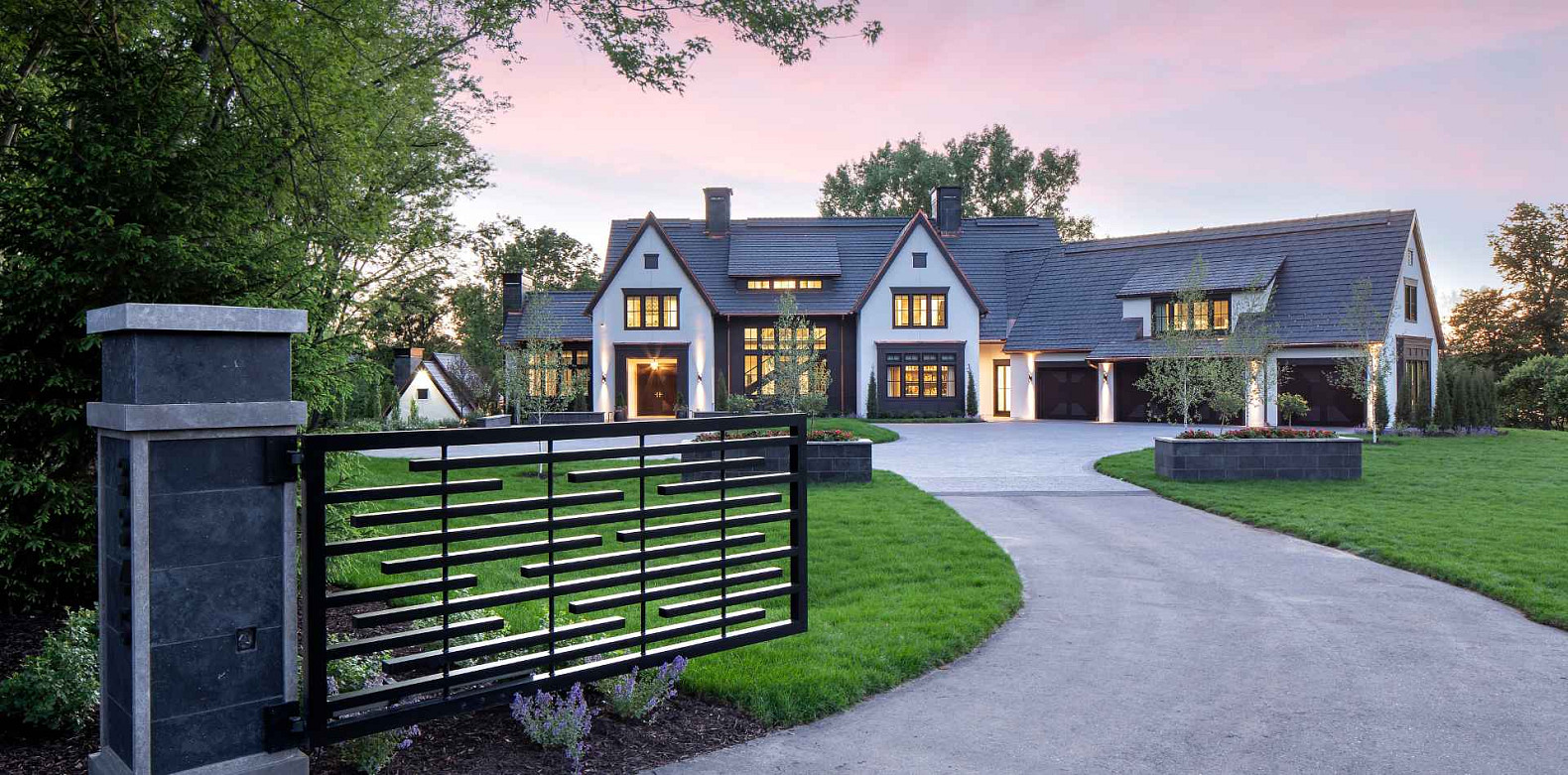
Technology can improve day-to-day living, but do smart home upgrades increase home value? As installing an integrated system can be a considerable investment, homeowners often want to know if they’ll recoup any costs when they sell their property.
In this guide, we’ll explain which systems influence a smart home’s value and buyer appeal, and which ones don’t.
Today’s buyers are increasingly keen to choose properties with smart home technology. However, buyers’ growing interest doesn’t necessarily increase property value.
Some smart home features appeal to buyers more than others. However, certain features are typically more desirable.
Smart home security can be particularly appealing to buyers who associate technology like smart cameras, video doorbells, smart locks, and integrated alarms with safety and peace of mind.
Whole-home smart lighting control systems are also popular. Scene setting and automation are seen as aspirational.
Climate and energy management considerations, including smart thermostats and heating, ventilation, and air conditioning (HVAC) solutions, also appeal. Many buyers view energy-efficient smart systems favourably as they can lower costs in the long run.
While multi-room audio and audio visual (AV) solutions appeal to lifestyle buyers, particularly in higher-value properties, they are usually seen as more of a nice-to-have than a must-have.
Integrated electric vehicle (EV) charging has growing appeal as EV ownership rises. Those who are interested in smart homes for energy efficiency reasons will likely value EV charging. However, many vehicles are still not compatible.
DIY devices will have little impact on buyer appeal. Even if the property is sold with certain contents included, DIY devices still feel temporary. Whatever type of smart home technology a home has, it’s usually more attractive if professionally installed.
|
Smart Home Feature |
Buyer Appeal |
Resale Value Impact |
|---|---|---|
|
Professionally installed system |
High |
Strong |
|
Smart security system |
High |
Strong |
|
Whole-home lighting control |
High |
Strong |
|
Climate and energy management, like smart heating and thermostats |
High |
Strong |
|
Integrated AV and entertainment |
Medium |
Moderate |
|
EV charging |
Medium |
Moderate |
|
DIY devices, like smart plugs and bulbs |
Low |
Minimal |
To understand which smart home upgrades increase home value, it helps to know which systems are long-term investments that buyers pay more for and which ones are unlikely to provide a return on investment.
Some of the investments that can add the most value to a property include:
Typically, these features form part of a full smart home integration, which offers the most resale value. While a full integration requires considerable upfront investment, it can make your home stand out on the market.
Some lower-cost smart features that can still add value to your property include:
Not all smart home technology will increase a property’s resale value.
Examples of tech unlikely to help sell a property include:
Standalone devices can’t compete with a fully integrated smart home system. However, they still have their uses. Off-the-shelf devices can offer people an affordable way of enjoying entry-level smart tech, but they probably won’t increase a home’s sale price or buyer appeal.
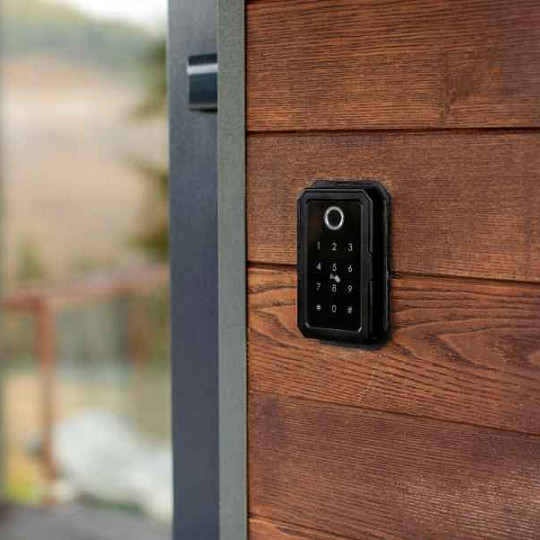
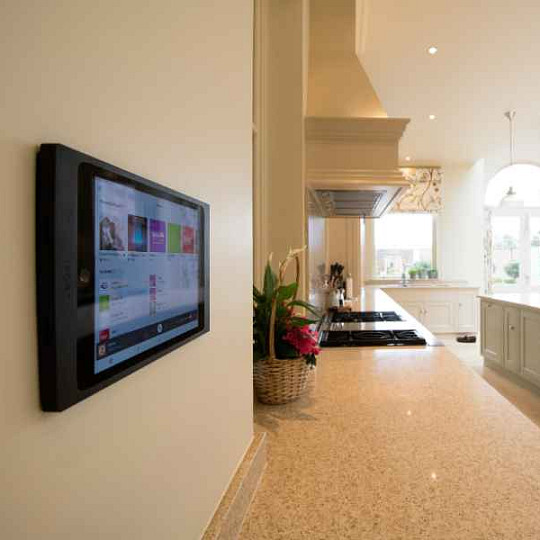
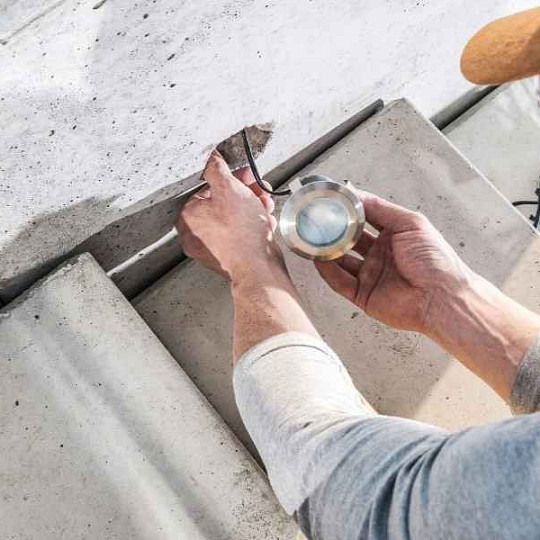
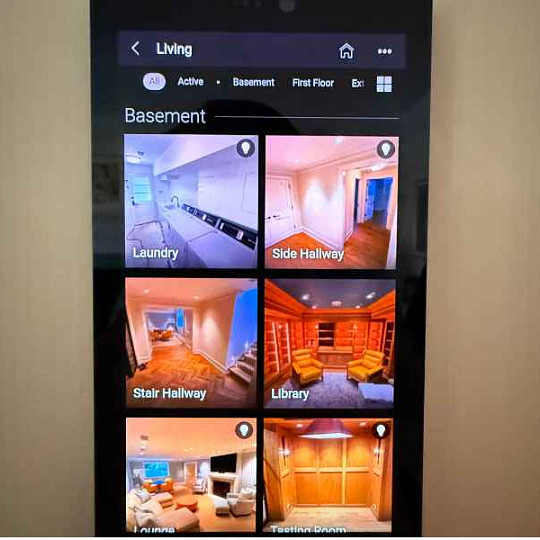
A CEDIA-certified integrator can create a smart home that’s significantly more advanced than anything a homeowner can achieve with DIY solutions. Although more complex, professional systems are also easier to transfer to others because they’re properly documented, which can increase resale appeal.
Estate agents, surveyors, and buyers increasingly recognise well-documented, professional smart home installations as a property asset. In contrast, a DIY-installed system that the seller can’t prove is safe is often seen as a liability. A poorly configured setup that a new owner can’t easily operate will also be off-putting.
CEDIA-approved installers follow industry standards for safety and ease of use. CEDIA Smart Home Professionals can ensure all technology is user-friendly and simple to hand over.
To maximise the value of your smart home technology when selling your home, complete this checklist:
A reputable Smart Home Professional will provide a system summary document as standard at the time of installation. If you don’t already have one, create a shareable document that explains what smart technology is included, how it works, and who (i.e., which installer or company) supports it.
Give this document to an estate agent to explain the features. Agents can also share these top-line details with prospective buyers.
Before listing your property, ensure everything is working to show your smart home at its best. Using a Smart Home Professional who offers ongoing care, including regular updates, will help you avoid functionality issues in the first place.
Don’t leave buyers to guess what systems do. Instead, include demos of smart home technology as part of any house tours. If you’re not going to be around during viewings, ensure the agents are equipped to do this.
In addition to the system summary document, be prepared to share logins, warranties, and installer contact details with the eventual buyer. For security, make sure that no logins are the same as those you use elsewhere.
Offer to facilitate a session with the buyer and your installer to ensure a smooth transfer. A proper handover can help them understand how to use the system and discuss any further smart home services.
Some of the pitfalls of investing in smart home systems for resale include:
A good Smart Home Professional can help you avoid these common mistakes and create a system that will appeal to prospective buyers.
When planned and installed professionally, smart home technology can be a helpful selling point at resale. However, some features appeal more than others. The key is to choose reliable and useful systems that buyers will recognise, trust, and can use from day one. That said, it’s also important to consider your own needs. Sometimes, the system that will benefit your lifestyle the most won’t be the one that adds the most resale value.
If you’re interested in creating a smart home, start by talking to a CEDIA-approved installer before committing to an upgrade. To find a CEDIA-certified integrator near you, visit our Smart Home Professional directory.
Tue, Oct 13, 2026
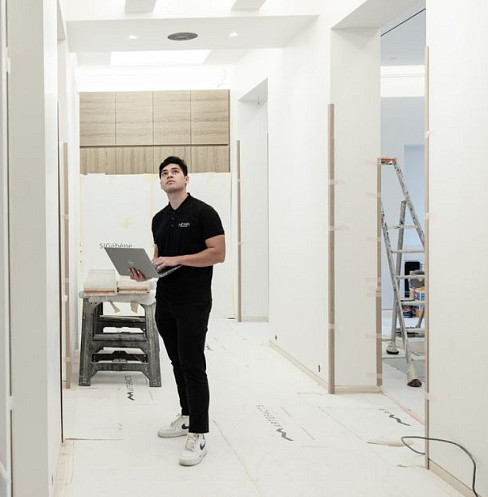
Renovations: Smart Home Decisions to Make Early
Sun, Oct 11, 2026
Smart home systems that actually add value when you sell your house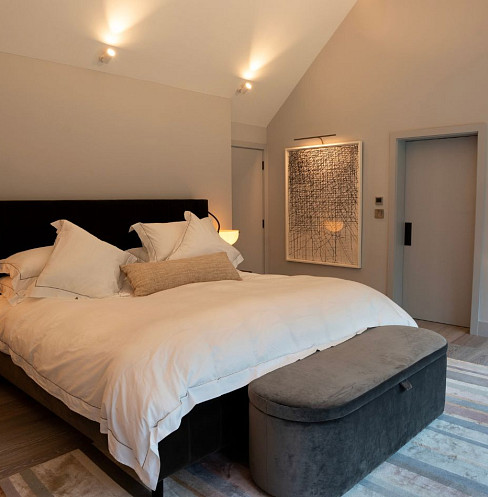

Mon, Oct 5, 2026
What to Ask a Smart Home Installer Before They Start
Wed, Sept 30, 2026
What does a CEDIA-certified Smart Home Professional actually do?