
By CEDIA - Jul 8, 2026 • Last Updated: Jul 10, 2026 • Blog, Smart Home by Room
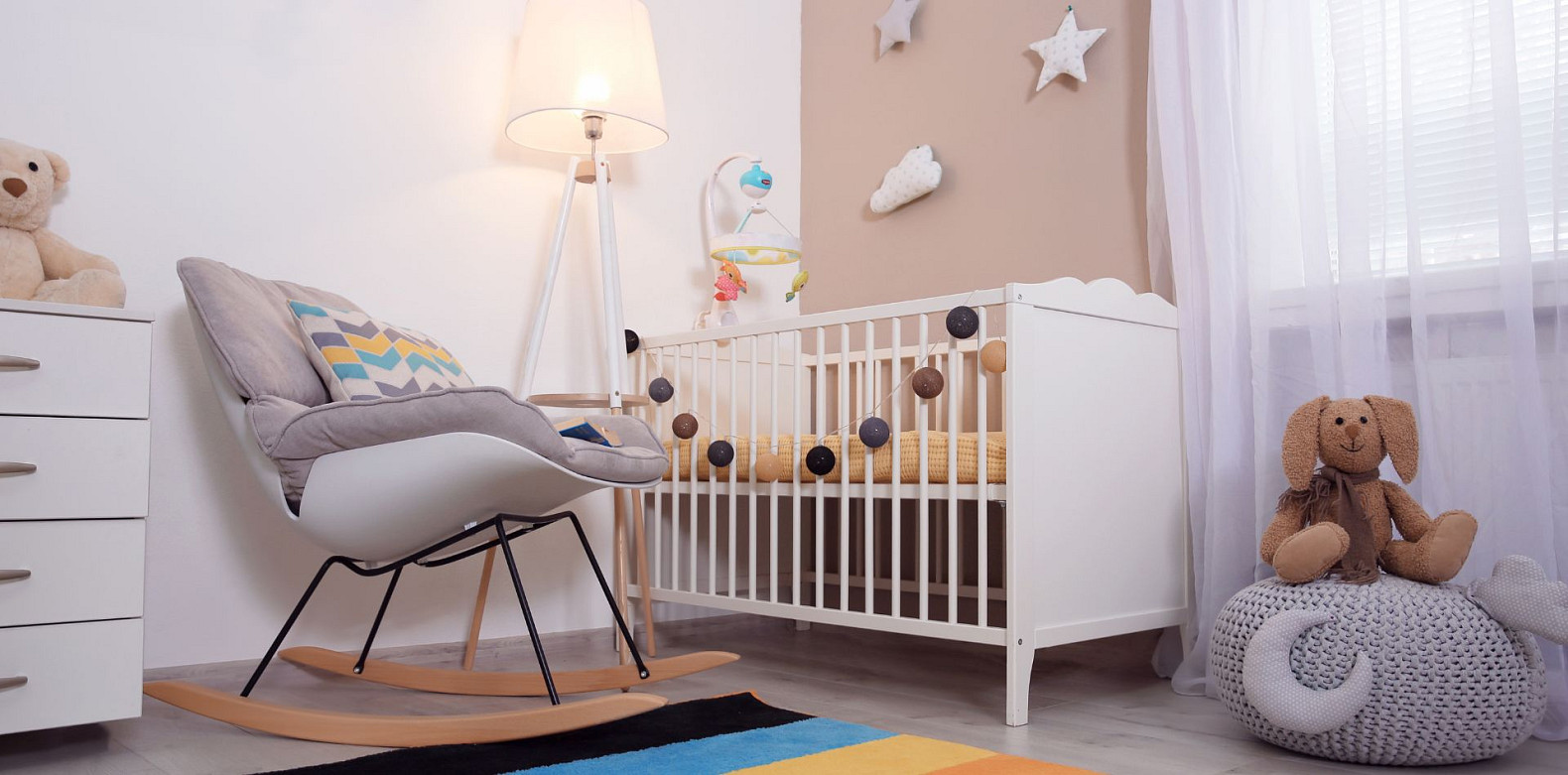
Becoming a parent comes with many challenges. While technology can’t solve every problem, smart systems in nurseries can make some things easier to deal with.
A smart home nursery combines automation, monitoring systems, and various devices to improve young children’s comfort and ease parents’ worries. Smart cribs can gently soothe babies, automated lighting can synchronise with a child’s circadian rhythm, and parents can use wireless monitors to see and hear an infant when in another room. With the right calibration, smart nursery technology can aid babies’ sleep and reduce their carers’ stress levels.
In this article, we’ll explore smart nurseries and the technology they use.
A smart nursery is a room for a baby or toddler that incorporates smart technology. Like a traditional nursery, it’s a space where a child can sleep separately from a parent. What’s different is that it utilises tech to automate some elements of care, such as playing soothing sounds to encourage sleep. It can also include advanced monitors to increase feelings of connectedness.
While you can use some smart devices, such as video baby monitors, on their own, a smart nursery allows parents to utilise other advanced tech like automated lighting and sensors within one system. Being able to join multiple devices enables the creation of routines. For example, you can program smart lighting to turn off once sensors detect that a baby is sleeping and no parent is in the room. Automations like these can help create comfortable environments for babies and their caregivers.
A smart crib is an infant bed that includes technology such as automatic rocking, white noise speakers, and sleep tracking sensors. Some also have built-in video monitors.
Smart cribs can support babies’ sleep routines by offering gentle soothing in the absence of a parent. They can use sensors to detect when a baby is awake and respond with soft bouncing or rocking to encourage a return to sleep.
A sound machine that plays white noise or other relaxing audio can also help a baby sleep. By combining the practicality of calming automation with insights from sleep tracking, parents have more tools to help them try to establish consistent sleep routines for their children.
Smart cribs can respond to sound or movement. If they detect a baby crying, they can instantly trigger one of its soothing routines. Some smart cribs respond to babies before they even cry by using sensors that pick up early wake-up movements. The slightest movement can begin a series of soothing sounds or gentle rocking to minimise sleep disturbances.
By integrating the cribs with wider smart home nursery technology, like lighting and speakers, more elements can form part of automated nighttime routines. For example, a smart crib without speakers can trigger a soundbar in the nursery to play white noise. These automations can help parents manage nighttime routines, with some wake-ups handled by smart technology without their intervention.
Smart technology can help create a safer and more comfortable nursery.
For example, parents can use air quality monitoring and smart humidifiers to keep the nursery at the right moisture level. Some devices can even purify the air to reduce the presence of allergens and viruses. Temperature control also ensures that the nursery offers an optimal climate for sleep and wellbeing.
While automation can keep things running smoothly, parents still need access to simple controls so that they can change anything to suit their child’s needs. Smart Home Professionals will calibrate reliable systems with appropriate controls. Technology can take away some work, but a parent’s intuition still matters. If they want to change the nursery’s humidity or temperature, it needs to be easy for them to do so. With a professional setup, it should be straightforward to make adjustments.
You can use smart lighting to create calming, sleep-friendly bedtime routines for babies in smart nurseries.
Gradual dimming of lights can help children drift off to sleep. The use of circadian lighting can also support healthier sleep patterns. By programming nursery lights to have warmer and dimmer tones in the evening, you can send signals to any occupying children that it’s time to go to sleep. While most babies will still wake up during the night and need attention, having dimmer lighting in the nursery at night can make it easier for everyone to go back to sleep after a disruption.
Low-intensity night lighting can also help parents have enough light to check in on their infants without disturbing them with sudden brightness.
Smart nurseries can integrate cameras, movement sensors, and sound detection to help parents keep an eye on their children while they’re in another room.
Real-time notifications keep adults informed in new, smarter ways. A caregiver will hear a baby cry through a traditional monitor, but smart alerts can send them a text to let them know their child is awake, even if they’re not crying.
Connected monitoring can improve peace of mind as parents can rely on multiple smart devices rather than one monitor with a limited radio range.
Smart nurseries must be set up with reliable automation and secure networks. Parents want to rely on everything working as planned and the reassurance that nobody else can access any monitor-recorded footage. Professional installers can ensure that systems are appropriate for smart nurseries. They can recommend trustworthy devices and make sure that all parts work together seamlessly. While parents can buy some standalone smart devices off the shelf, a smart home nursery designed by experts is a more robust option that unlocks new opportunities.
Smart technology is enabling parents to create calmer environments for their babies, which can improve everyone’s sleep. By combining connected devices like smart cribs, intelligent lighting, and monitors in a smart nursery, parents can make use of automated routines that benefit the entire household. A well-connected smart setup can ease worries and aid relaxation. With thoughtful design and professional installation, a smart home nursery can support both parents and children during the earliest stages of family life.
Tue, Oct 13, 2026
Renovations: Smart Home Decisions to Make Early
Sun, Oct 11, 2026
Smart home systems that actually add value when you sell your house
Mon, Oct 5, 2026
What to Ask a Smart Home Installer Before They Start

Wed, Sep 30, 2026
What does a CEDIA-certified Smart Home Professional actually do?