By CEDIA - Jun 2, 2026 • Blog, Smart Devices/Appliances
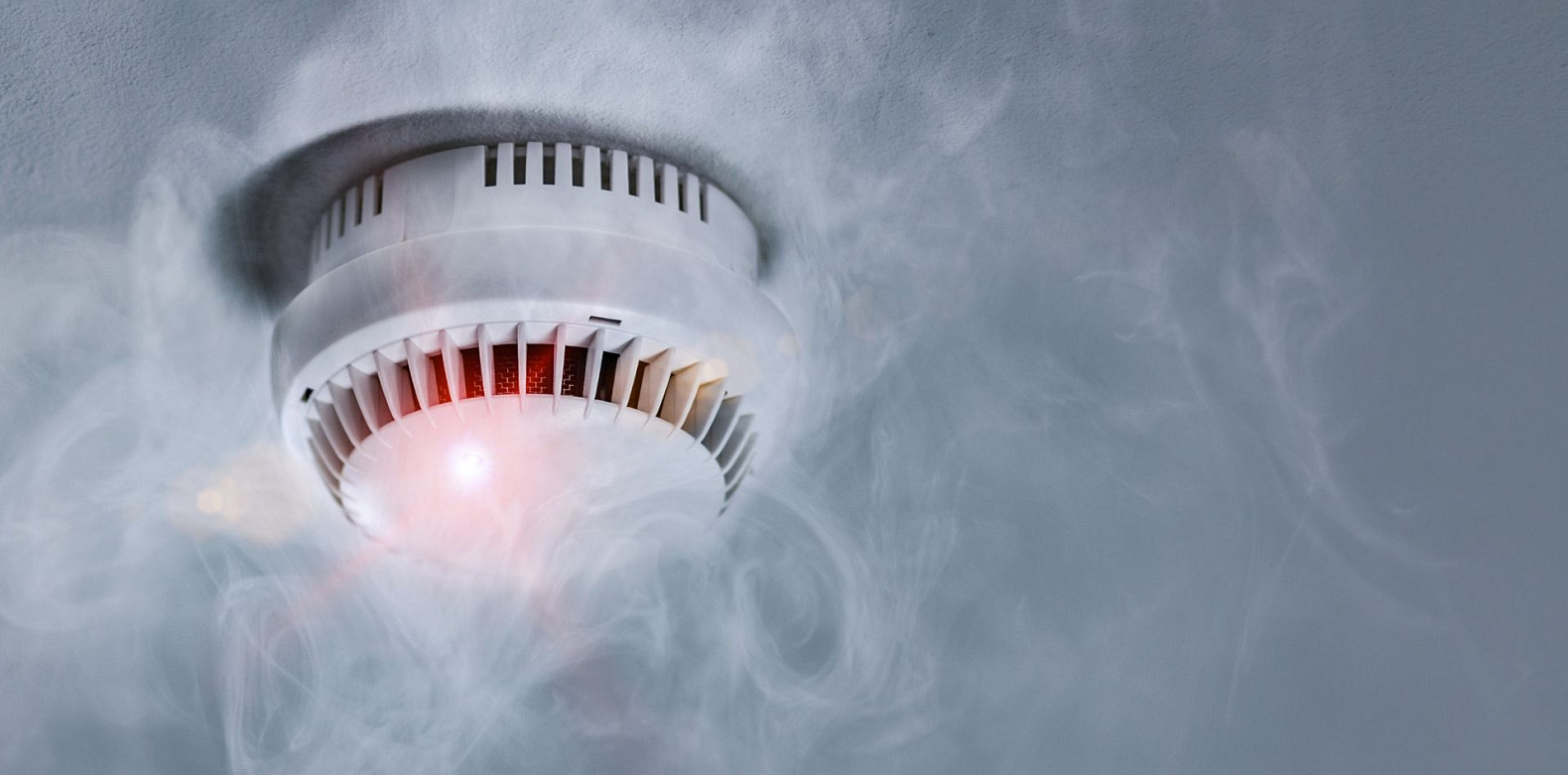
Home safety is one of many reasons that people invest in smart technology. With smart firm alarms and carbon monoxide detectors, homeowners can benefit from enhanced reassurance and faster alerts.
Unlike standalone devices, a fully integrated smart system ensures that smoke detectors, alarms, and sensors work together (and respond intelligently) to protect people and property.
In this guide, we’ll explain some of the smart safety systems available and outline their benefits.
A smart fire detector is an internet-connected smoke and heat sensor. In addition to sounding a usual alarm, it can connect to other smart home systems to assist with evacuation. For example, a smart fire alarm going off can automatically trigger lights to turn on to help everyone leave the house safely. It can also adjust heating, ventilation, and air conditioning (HVAC) systems to prevent smoke circulation. The most sophisticated safety setups may include water mist fire suppression, which can cool the air and dampen flames.
Additionally, smart fire detectors can send alerts to people’s phones so that they are aware of the problem remotely. Some also inform emergency services, so that the fire brigade is quickly contacted.
In comparison to traditional smoke alarms, many smart versions are less likely to cause false alarms. By using multi-sensor technology, they are better at distinguishing between actual fire and common false triggers like dust. Plus, if they do go off due to something innocuous like burnt toast, it’s simple for the homeowner to stop the alarm. They can use a connected app on their phone to turn it off rather than have to reach a button on a ceiling device.
Both smart fire alarms and traditional fire alarms help keep homeowners safe by detecting fires. However, there are differences between the two.
Smart fire alarms can provide cell notifications, system-wide alerts (such as announcing the potential danger via a connected speaker), and wider integration with the rest of a smart home.
A standalone battery-operated fire alarm can detect an issue nearby but it can’t trigger other alarms in the house. This may mean people in other rooms might not hear the warning. In larger or multi-level homes, a connected system can help keep everyone safer as all alarms can go off simultaneously.
| Feature | Smart fire alarms | Traditional fire alarms |
|---|---|---|
| Basic function | Detect smoke and heat, and sound the alarm while connecting to the internet and other smart home systems. | Detect smoke or heat and sound a local alarm. |
| Connectivity | Internet-connected and integrated with smart home network. | Standalone devices with no internet connectivity. |
| Cell alerts | Send notifications to homeowners’ phone so they are aware of problems remotely. | No remote alerts. The alarm can only be heard within the home. |
| Whole-home alerts | Connected alarms can trigger every alarm in the house to sound simultaneously. | Only an alarm that can detect the smoke or heat will activate. |
| Smart home integration | Can trigger other systems, such as turning on lights to assist evacuation or shutting down HVAC to prevent smoke circulation. | No integration with other systems or devices. |
| False alarm frequency | Often use multi-sensor technology (including combining smoke and heat sensors) to distinguish real fires from false triggers like dust. | Usually rely on a single detection method, making them more prone to false alarms. |
| Alarm control | Homeowners can silence alarms through a connected cell app. | Must be manually silenced by pressing a button on the device. |
| Emergency service alerts | Some systems can notify emergency services if residents can’t call for help. | Do not automatically contact emergency services. |
Smart home smoke detectors can function as part of a broader smart home safety system.
If you integrate smoke detectors with lighting, you can use path illumination to help guide people outside of the building. You could also trigger flashing lights to alert those who may be unable to hear an alarm. Lighting turning on could also help those who are sleeping wake up and react.
By connecting a smart home smoke detector to an audio visual (AV) system, you can extend the alarm beyond the device. For example, you could program all the home’s speakers to announce the location of the issue, such as ‘Smoke detected in the kitchen’. You could also ensure that an alarm mutes any music playing in the home, helping occupants hear the alarm. It’s even possible to display a message visually, such as on your TV screen.
A smart HVAC system can also assist with smoke control. With the right program in place, it can respond to an alarm by activating smoke dampers, stopping air circulation, and filtering out smoke particles.
A whole home system gives homeowners more visibility of an issue and can also offer additional safety measures.
A smart home fire alarm can trigger automated responses across a smart home, including:
The more integrations, the more complicated the system tends to be, and the more important professional installation becomes. A CEDIA-certified Smart Home Professional can ensure the reliability of these automations, accounting for factors like device compatibility.
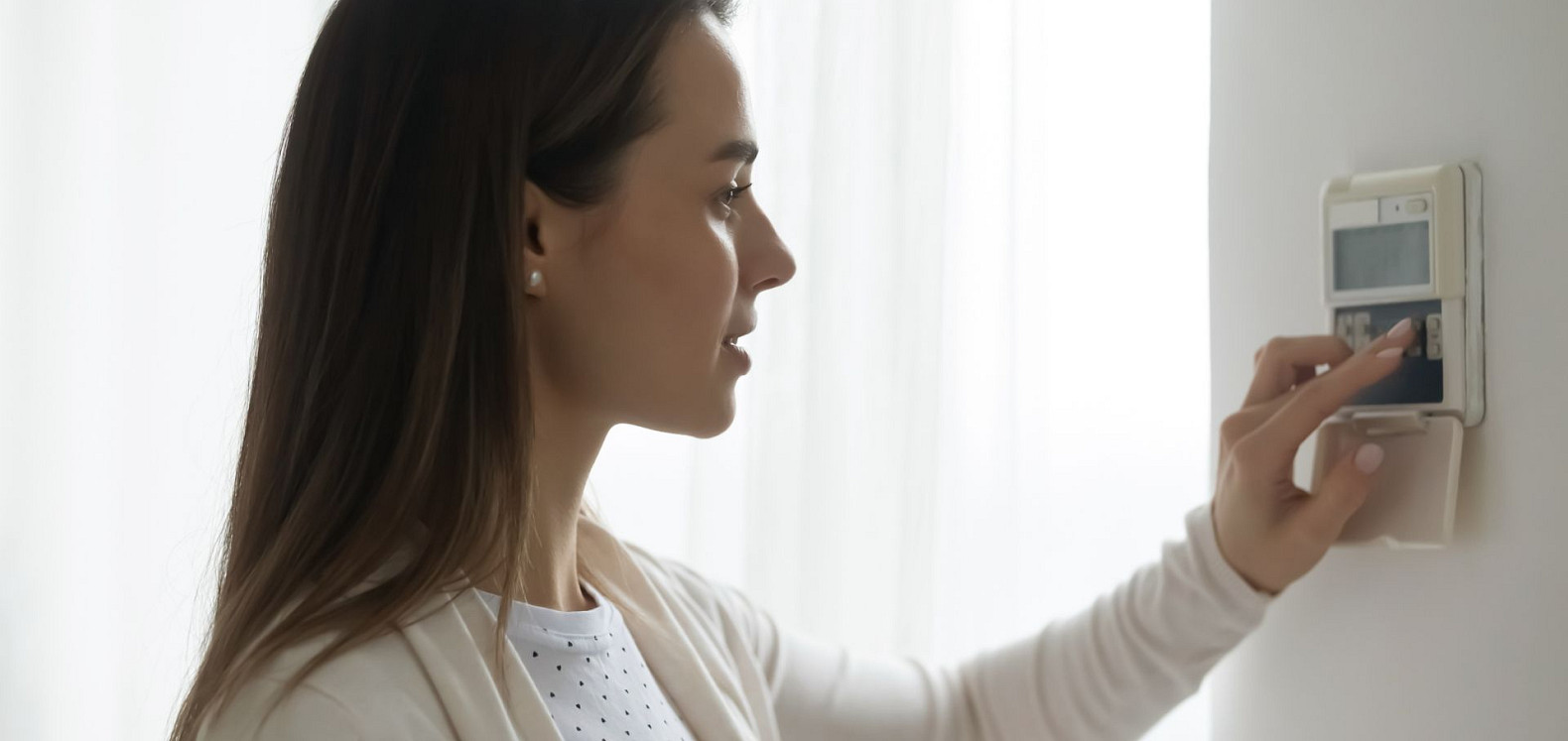
Fire and smoke alarms aren’t the only home safety devices that can be smart. You can also have smart carbon monoxide detectors.
Carbon monoxide (CO) is a poisonous gas that occurs due to the incomplete combustion of fuels, such as gas, oil, coal and wood. In a home, it can build up to faulty appliances (like a poorly installed boiler), blocked ventilation, or improper use of equipment (like fuel-burning camping cookers indoors). As it’s colourless, odourless and tasteless, it can be present without people realising. Detectors are essential to identify it and prevent CO poisoning, which can be fatal.
Carbon monoxide alarms use sensors to detect CO and trigger an audible alarm. A smart version can also connect to Wi-Fi and send homeowners alerts via their mobile phone, even if they aren’t at home. This can help keep occupants, including pets, safer from the dangers of carbon monoxide.
Professionals can also integrate smart home carbon monoxide detectors with other systems to lower risk. For example, it can automatically shut down a potentially faulty heating system when it detects CO.
Fire and CO detection systems are safety-critical and, therefore, must be reliable. You need to be able to rely on your smart safety system, so professional integration is key. Professional installers ensure correct placement, system calibration, and compliance.
A CEDIA-certified Smart Home Professional can help install a safety system that reduces the risk of false alarms, network failures, and misconfigured alerts.
Intelligent sensors can distinguish between steam, cooking smoke, and a real fire, which reduces the occurrence of false alarms. This is a valuable benefit of advanced alarms, as it removes annoyance and improves safety. If an alarm regularly goes off due to a false trigger, like dust, occupants may be slower to evacuate due to distrust. When people know an alarm is highly accurate, they’re more likely to take it seriously and respond quickly.
System tuning based on room use is also important for better fire detection technology. Installers can tweak alarms to suit smoky kitchens, steamy bathrooms, and dusty garages. A professional setup is essential to achieve the right sensitivity levels for specific areas.
Smart fire, smoke, and CO detection can work alongside other safety systems, including:
Combining all these systems into central dashboards can provide homeowners with enhanced visibility and peace of mind. If there is any kind of issue anywhere, a homeowner can feel confident that they’ll find out about it thanks to robust, well-connected, smart safety systems.
Smart fire detectors, smoke alarms, and carbon monoxide sensors are important components of a modern, safe home. When professionally integrated, these smart devices offer faster warnings, increased accuracy, and enhanced reassurance that your home is protected.
To keep every integration working as it should, it’s important to check for software updates. You should also regularly test all alarms. Professional installers can provide long-term maintenance and aftercare to ensure intended functionality and cross-device compatibility continue. They can also assist with extending your alarm system, should you undergo home renovations.
Tue, Oct 13, 2026
Renovations: Smart Home Decisions to Make Early
Sun, Oct 11, 2026
Smart home systems that actually add value when you sell your house
Mon, Oct 5, 2026
What to Ask a Smart Home Installer Before They Start

Wed, Sep 30, 2026
What does a CEDIA-certified Smart Home Professional actually do?