
Nov 12, 2026 • Last Updated: Nov 13, 2026 • Guides and FAQs

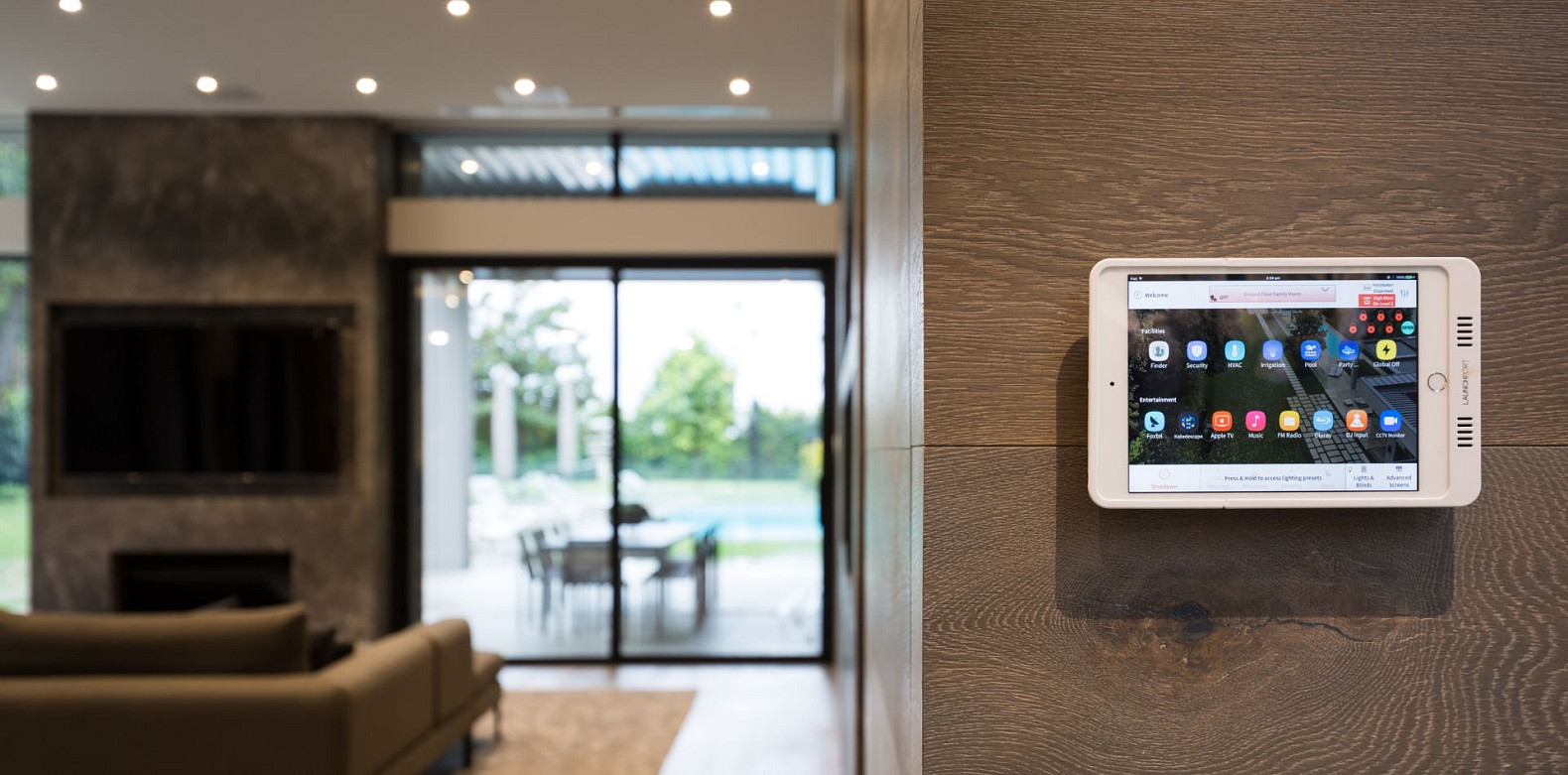
From smart TVs and intelligent lighting to energy management and family wellbeing, new consumer research and CEDIA industry data reveal how connected technology is reshaping everyday life.
Smart home technology is becoming an increasingly familiar part of American life. From connected televisions and video doorbells to intelligent lighting, automated heating and home security, homeowners are discovering new ways to make their properties more convenient, comfortable and connected.
New findings from Vivint's 2026 How We Home Report, based on a survey of 5,000 US homeowners, reveal that 78% own at least one smart home device, while 61% have purchased new smart technology within the past year.
But the findings tell a bigger story than growing device ownership. Energy management, family wellbeing, home security and the ability to connect different technologies are becoming increasingly important considerations for American households.
Meanwhile, CEDIA's 2026 Professional Smart Home Market Analysis estimates the US professional residential technology market at $33.8 billion, with 77% of businesses expecting revenue growth over the next 12 months.
Together, the two studies provide insight into what homeowners want from smart technology and the professional industry supporting more sophisticated connected homes.
Smart TVs and streaming hubs remain among the most popular smart home purchases, with 23% of respondents buying one within the past 12 months.
Smart doorbells followed closely at 22%, while outdoor security cameras or lighting accounted for 16%.
The survey also identified smart speakers, thermostats, lighting systems and connected appliances among the technologies commonly found in American households.
According to Vivint's research, the most popular devices include:
While entertainment and security products feature prominently, connected technology now extends into heating, lighting, household appliances and everyday convenience.
For homeowners interested in exploring these possibilities, CEDIA's guide to smart home systems explains how different technologies can work together to create a more connected living environment.
Although many households already own connected devices, the research suggests consumers are continuing to explore new technologies.
Smart doorbells, intelligent lighting, solar panels and smart locks were among the products appearing on homeowners' future purchasing wish lists.
Energy management is also becoming an important consideration, particularly as households look for greater visibility into their consumption and more control over their living environments.
The findings suggest the next stage of smart home adoption may be influenced less by individual gadgets and more by technology that delivers practical benefits across the household.
While Vivint's research explores consumer purchasing habits, CEDIA's 2026 Professional Smart Home Market Analysis provides a broader perspective on the professional residential technology industry.
The study estimates the US market at $33.8 billion, with 77% of surveyed businesses expecting revenue growth over the following 12 months.
Home networking represents an estimated $5.2 billion of the market, while lighting and shading account for approximately $3.7 billion.
These figures demonstrate the scale of the infrastructure and integrated technologies supporting connected living.
Reliable networking is particularly important as households introduce more devices, with connected lighting, entertainment, security and climate control systems increasingly relying on dependable home connectivity.
CEDIA's findings highlight how professional integration extends beyond individual devices. Home networking, lighting, shading and integrated control systems all contribute to the infrastructure needed to support connected living.
CEDIA expert commentary — proposed for review
The following is suggested commentary for a CEDIA technical expert to review and approve, not an attributed quotation.
"The growing number of smart devices in American homes demonstrates how familiar connected technology has become. However, owning multiple smart products doesn't necessarily mean those devices work together effectively.
"The real opportunity is to create homes where lighting, entertainment, security and energy management operate as part of a coordinated system. That requires careful consideration of networking, compatibility, usability and the long-term needs of the household."
CEDIA's research has also been covered independently by CE Pro, highlighting both industry growth expectations and the importance of skilled professionals.
Energy management is becoming an increasingly important part of connected living.
Vivint's research found that 59% of homeowners reported higher energy bills over the past year, while 63% said they are more concerned about energy expenses than they were five years ago.
More than a third (37%) already use smart home technology to help monitor or manage their energy consumption.
Smart thermostats, automated lighting, motorized shading and energy monitoring systems can help households understand how energy is being used and make adjustments based on their routines.
For example, connected heating and cooling systems can respond to programmed schedules, while automated shading can help manage sunlight and indoor temperatures.
When designed and configured appropriately, these technologies may help reduce unnecessary energy consumption, although actual savings depend on the property and how the systems are used.
Homeowners can explore more practical applications in CEDIA's guide to smart homes for energy efficiency.
Connected technology is also creating new opportunities to support families and independent living.
According to Vivint's research, 42% of homeowners are currently caring for a family member or expect to do so within the next five years.
Among caregivers, 45% identified getting help quickly during an emergency as a leading concern.
Smart home systems can support households through features such as automated lighting, connected sensors, remote monitoring and emergency alerts.
Motion-activated lighting, for example, can help illuminate hallways at night, while appropriately configured sensors may alert family members when additional assistance is needed.
These technologies can be particularly valuable for households supporting older relatives or family members with changing accessibility requirements.
However, connected monitoring and alert systems should complement appropriate care arrangements rather than replace them.
Security remains an important consideration for American homeowners.
Nearly half of respondents (46%) said they are more concerned about theft than they were five years ago.
The research also found that 39% would feel comfortable with artificial intelligence identifying unusual activity around their property.
Connected cameras, smart locks, automated lighting and access control systems can offer additional ways for homeowners to monitor and manage their properties.
CEDIA's guide to smart home security systems explores how these technologies can be incorporated into a connected home.
However, as homes become increasingly connected, privacy and cybersecurity remain important considerations.
Only 24% of respondents said they completely trust their smart devices when it comes to privacy.
Homeowners should consider how connected products collect information, receive software updates and communicate across their home networks.
For further guidance, CEDIA explores whether smart home devices can be hacked and the importance of protecting connected technology.
Despite widespread adoption, the research suggests some households may not be using their connected technology to its full potential.
Vivint found that 48% of homeowners own at least one smart device they rarely or never use, while 22% have purchased a device they never installed.
These findings raise an important question: are homeowners purchasing technology that genuinely meets their needs?
A connected home can involve multiple devices, manufacturers and applications. Without appropriate planning, homeowners may encounter compatibility challenges, unreliable connectivity or systems that become unnecessarily complicated to operate.
Rather than focusing solely on the number of devices installed, homeowners may benefit from considering how technology can work together to support everyday routines.
Individual smart devices typically perform specific functions, such as controlling a thermostat, switching on lights or monitoring a front door.
An integrated smart home brings different technologies together so they can operate as part of a coordinated system, potentially allowing lighting, shading, climate control and entertainment to respond to shared routines.
For example, a single evening setting could adjust lighting, close motorized shades and prepare an entertainment system without requiring separate commands for each device.
CEDIA's guide to what a certified smart home professional does explains how professional expertise can help homeowners plan and integrate connected technologies.
As connected technology becomes more sophisticated, many homeowners are considering professional support.
Vivint's research found that 80% of respondents either already have professionally installed smart home technology or would be receptive to having devices installed by an expert.
Correct installation was a leading consideration, with 34% identifying it as their primary reason for potentially choosing professional support.
Professional smart home integrators can help homeowners select compatible products, design reliable home networks and create systems that are straightforward to operate and maintain.
They can also consider how installations may need to adapt as household requirements change, whether through additional lighting controls, improved connectivity or more advanced automation.
CEDIA supports the professional smart home industry through education, certification, standards and industry research, helping raise awareness of the knowledge and skills involved in residential technology integration.
From entertainment and security to energy management and family wellbeing, smart home technology is becoming an increasingly diverse part of everyday life.
Vivint's consumer research highlights how household priorities are evolving, while CEDIA's industry analysis demonstrates the scale of the professional market supporting connected living.
The next chapter of the American smart home may not be defined by how many connected devices households own, but by how effectively those technologies work together.
As consumer expectations evolve, the opportunity is increasingly about creating homes that respond to the needs of the people living in them.
For homeowners, that means looking beyond individual products and considering how technology can deliver lasting convenience, comfort, efficiency and confidence.
According to Vivint's 2026 How We Home Report, 78% of surveyed US homeowners own at least one smart home device. The findings are based on research involving 5,000 homeowners and provide a snapshot of smart home ownership among the surveyed population.
Smart TVs and streaming hubs ranked first among the devices owned by respondents. They were also the most commonly reported smart home purchase over the previous 12 months, at 23%, followed by smart doorbells at 22%.
Popular recent purchases include smart TVs, video doorbells and outdoor cameras or lighting. Homeowners are also considering smart locks, intelligent lighting and solar panels for future upgrades.
Professional installation can help homeowners ensure their devices are correctly configured, compatible and supported by reliable connectivity. Vivint's research found that 80% of respondents already had or would consider professionally installed smart home technology.
Tue, Oct 13, 2026
Renovations: Smart Home Decisions to Make Early
Sun, Oct 11, 2026
Smart home systems that actually add value when you sell your house

Mon, Oct 5, 2026
What to Ask a Smart Home Installer Before They Start
Wed, Sep 30, 2026
What does a CEDIA-certified Smart Home Professional actually do?