oct. 5, 2026 • Blog, Hogar inteligente por habitaciones

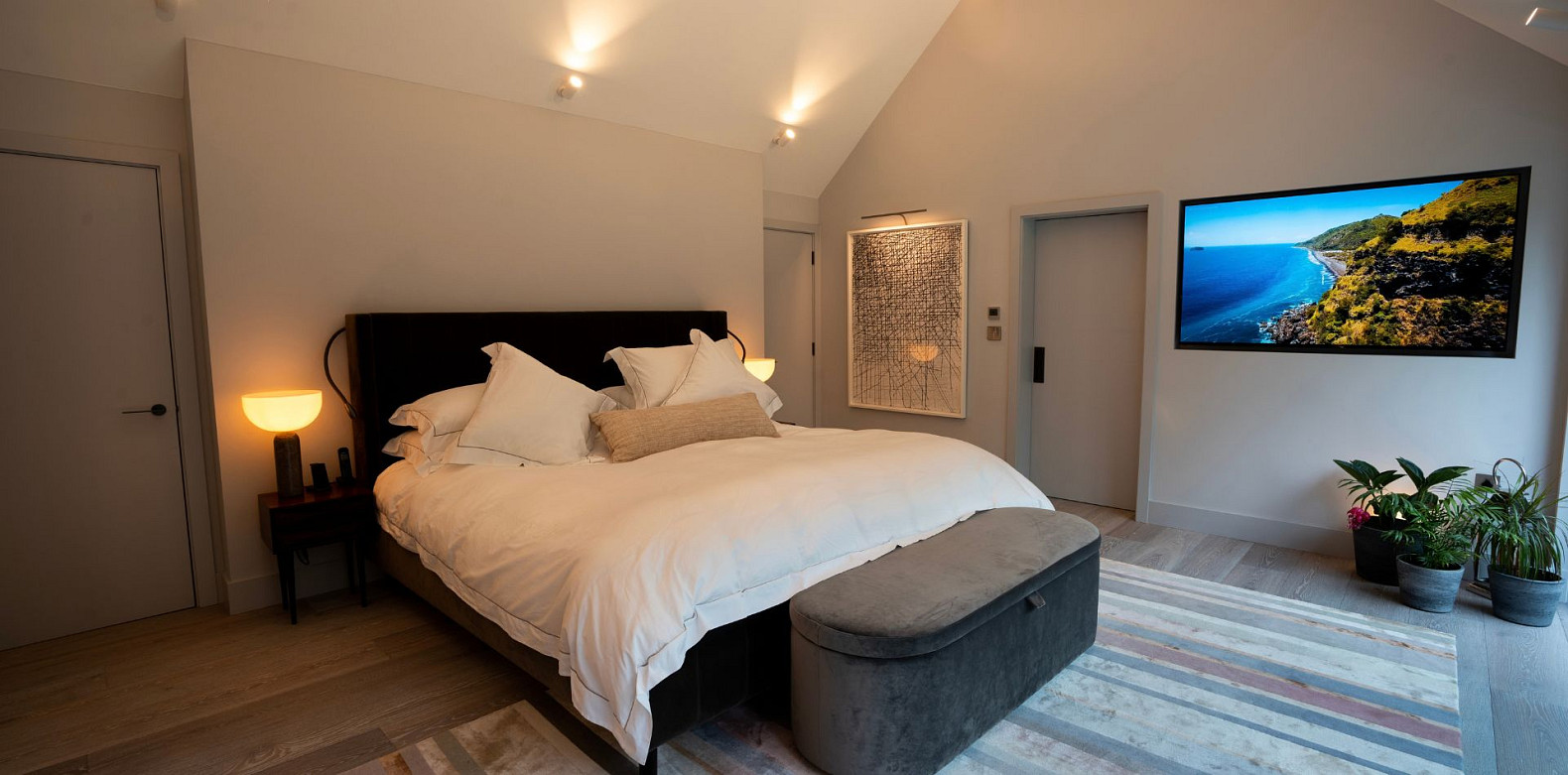
La exposición a la luz envía una señal a tu cerebro para que reduzca la melatonina, que es la hormona que le indica a tu cuerpo que es hora de dormir. Cuando se reduce la producción de melatonina, te sientes menos cansado. La luz azul es especialmente perjudicial, y la emiten los teléfonos, las tabletas, la televisión y algunas luces del dormitorio.
Una mala iluminación del dormitorio, como los LED brillantes y las bombillas fluorescentes de tono azulado, puede alterar tu reloj biológico, lo que se conoce como ritmo circadiano. Si tu cuerpo detecta luz artificial por la noche, la interpretará erróneamente como una señal de que es de día y responderá suprimiendo la producción de melatonina. Como resultado, tu cuerpo no recibirá las señales correctas para facilitar el sueño.
Muchas configuraciones de iluminación en el dormitorio son inadecuadas porque utilizan un solo color de bombilla fijo con un nivel de luminosidad constante a cualquier hora del día. Aunque puede ser una solución de iluminación cómoda y fácil de instalar, este tipo de luz irá en contra de tu cuerpo a la hora de relajarte por la noche. Si enciendes una luz brillante en el dormitorio mientras te preparas para acostarte, es posible que te despierte.
Utilizar iluminación inteligente que cambie de color, tono y nivel de luminosidad es una forma de mejorar el bienestar circadiano en tu hogar inteligente.
La iluminación de tu dormitorio no tiene por qué arruinar la calidad de tu sueño. Te explicaremos los problemas más comunes y te aconsejaremos sobre cómo puedes utilizar la iluminación inteligente para ayudarte a disfrutar de un mejor descanso nocturno.
Muchas lámparas de mesilla y lámparas de techo utilizan bombillas de luz blanca fría. Aunque son adecuadas para las tareas diurnas, la luz que emiten no es adecuada para relajarse por la noche.
Las mejores bombillas inteligentes para dormir son las regulables que permiten evitar la luz blanca fría. Con ellas, puedes programar que el color cambie a tonos más cálidos después del atardecer, lo que limitará la supresión de la melatonina.
Pasar directamente de una luz intensa a la oscuridad total a la hora de acostarse no le da al cuerpo un periodo de transición para prepararse para dormir, lo que significa que algunas personas se sentirán inquietas una vez que se metan en la cama.
Con un sistema inteligente, puedes crear una rutina de relajación programada por horario, activada por sensores o por voz para que la iluminación del dormitorio se vaya atenuando y calentando gradualmente a lo largo de 20 a 30 minutos. Esta transición gradual facilita que tu cuerpo reconozca que es hora de dormir.
Un ejemplo de escena de iluminación inteligente para relajarse podría ser:
Puedes combinar la iluminación con otros elementos, como la calefacción, para crear rutinas más amplias en tu hogar inteligente que te ayuden a relajarte. Por ejemplo, un termostato inteligente puede enfriar el dormitorio para crear una temperatura más agradable y adecuada para la noche.
Despertarse con una luz brillante repentina, o sin luz alguna, altera la señal natural de despertar del cuerpo. En invierno, puede que te cueste levantarte cuando te recibe la oscuridad. Sin embargo, encender una luz brillante en el dormitorio a primera hora puede ser una experiencia desagradable.
En un dormitorio inteligente, puedes sincronizar la iluminación con una alarma para simular un amanecer gradual. Esto puede ayudar a tu cuerpo a pasar del sueño a la vigilia. Una alarma con efecto amanecer es una forma de utilizar la iluminación inteligente para ayudar a combatir el trastorno afectivo estacional (TAE).
Las bombillas regulables, un programa de relajación y un despertador con efecto amanecer pueden funcionar todos desde la misma configuración. Puedes llevar estas soluciones aún más lejos yendo más allá de la iluminación y adoptando tecnología relajante y sensores ambientales, donde la iluminación, la temperatura y el sonido funcionan en armonía.
La iluminación inteligente también combina bien con las persianas inteligentes. En verano, puedes mantener las persianas bajadas durante más tiempo para bloquear la luz temprana y molesta, y en invierno puedesmejorar tu hogar inteligente utilizando una iluminación gradual que imite el amanecer, incluso cuando todavía está oscuro fuera.
|
Error |
Solución para la iluminación inteligente |
|---|---|
|
Luz blanca fría después del atardecer |
Bombillas inteligentes regulables que cambian de color y tono |
|
Falta de transición para relajarse |
Una rutina doméstica inteligente que atenúa gradualmente la iluminación |
|
Iluminación para despertarse demasiado intensa o inexistente |
Una alarma inteligente que imita el amanecer |
Con la ayuda de un profesional de hogares inteligentes certificado por CEDIA, puedes crear un dormitorio que utilice la iluminación inteligente y otras tecnologías complementarias de forma que favorezcan el sueño.
Puedes configurar la iluminación para que siga un horario programado con el fin de mejorar tus rutinas para relajarte y despertarte. Con un sistema inteligente conectado, puedes gestionar la iluminación, las persianas, la temperatura de la habitación y otros dispositivos tecnológicos desde un panel de control central de la casa inteligente o mediante un control unificado por voz o a través de una aplicación.
Un dormitorio inteligente eficaz utilizará la tecnología para crear un ambiente tranquilo y acogedor por las noches y un ambiente suave pero energizante a la hora de despertarse.
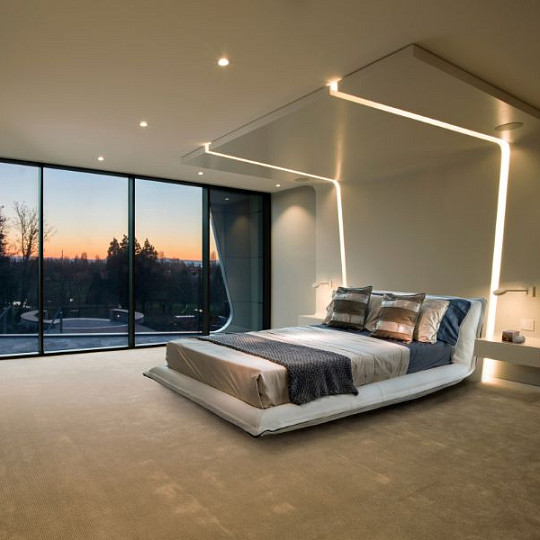
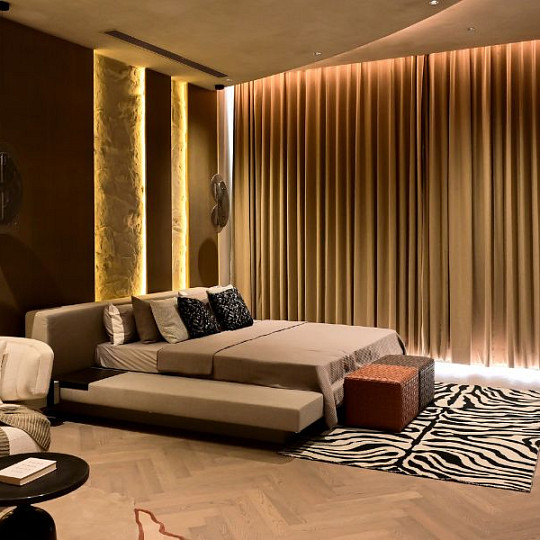
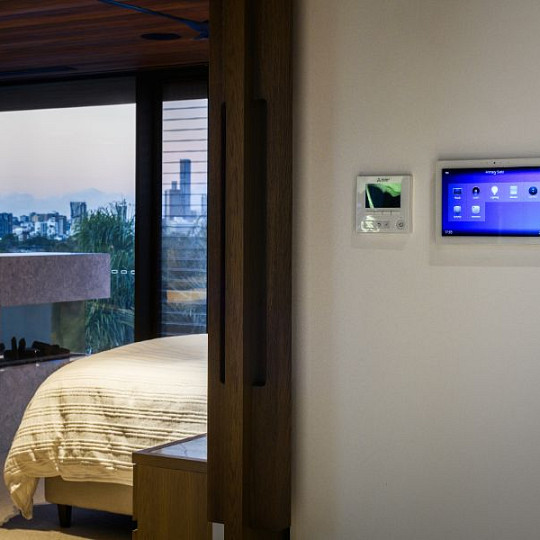
Muchos propietarios que tienen dificultades para dormir prueban diversas soluciones para solucionar sus noches de insomnio. Sin embargo, pocos tienen en cuenta que la iluminación de su dormitorio podría estar afectando negativamente a la calidad de su sueño. Dado que nuestro cerebro responde a los cambios en los niveles de luminosidad y los tonos de luz, configurar la iluminación inteligente para que se adapte al ritmo circadiano de tu cuerpo puede ayudar a mejorar el sueño. Además, al combinar la iluminación con otros dispositivos tecnológicos, como controles de temperatura inteligentes y persianas, puedes convertir tu dormitorio en un espacio mucho más cómodo para el descanso.
Si te interesa crear un dormitorio inteligente, lee nuestra guía para contratar a un profesional de hogares inteligentes y descubre cómo elegir a un instalador.