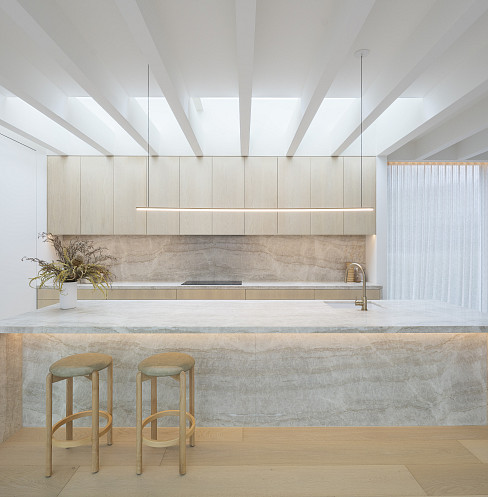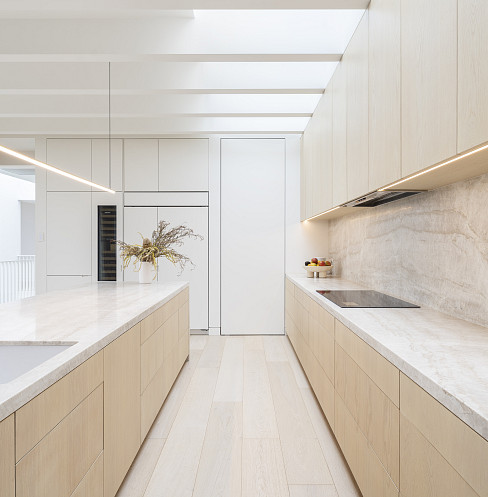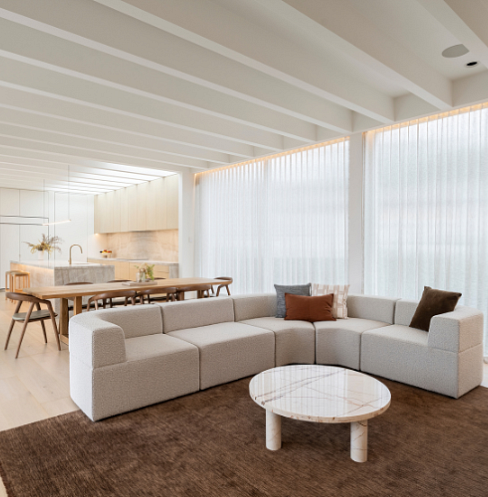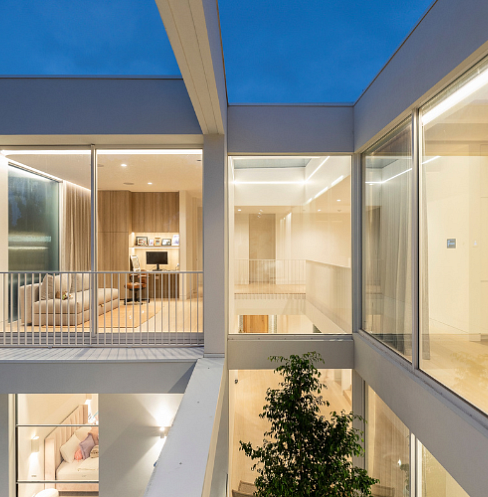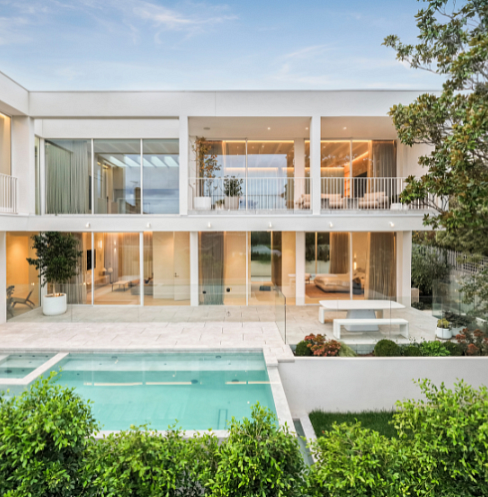
The owner wanted a home that works seamlessly and intuitively, within a set budget, and the architect wanted nothing to spoil the clean lines. Connected Logics listened closely to both and built the technology around them.
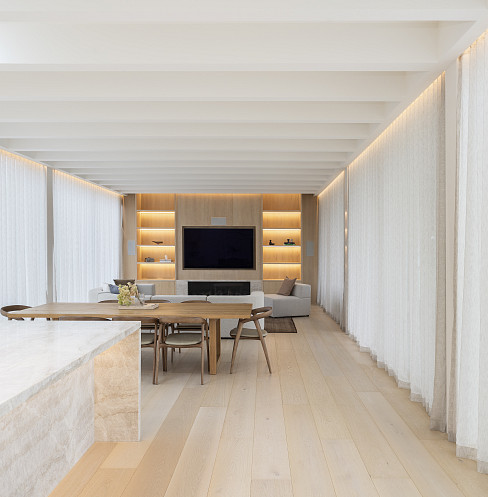
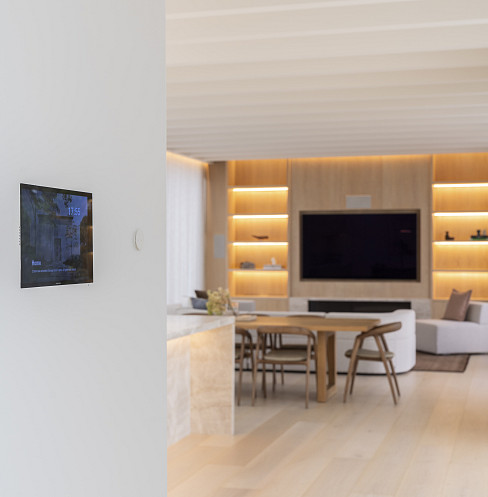
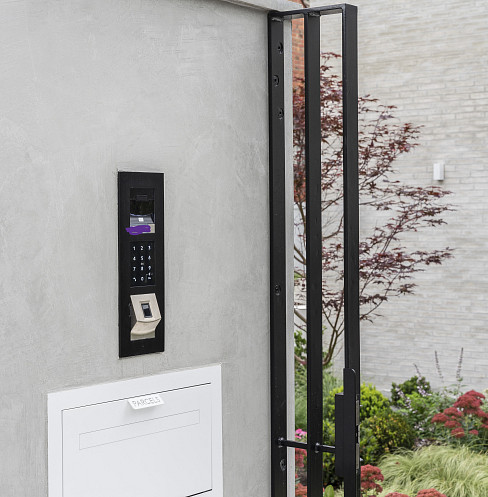
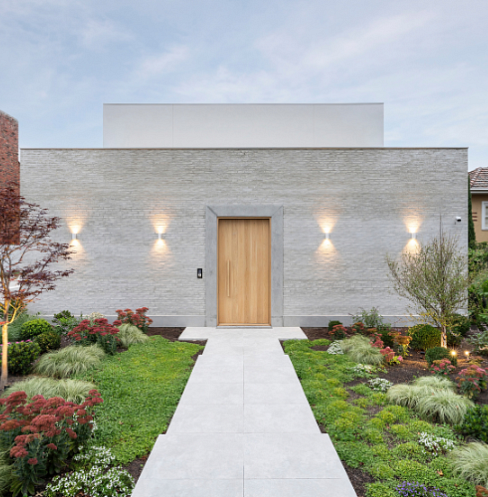
The architect’s design standards shaped the details. The front door has no visible keyhole and no changes to the door frame. The living spaces hide their subwoofers inside the joinery, isolated so the cabinets don’t rattle, and with space for the sound to come through. There are no wall thermostats. Instead, small sensors sit beside the light switches, and the climate for each of the 11 zones is set from touchscreens on each floor, with keypad buttons for quick night-time adjustments, such as at a child’s bedside.
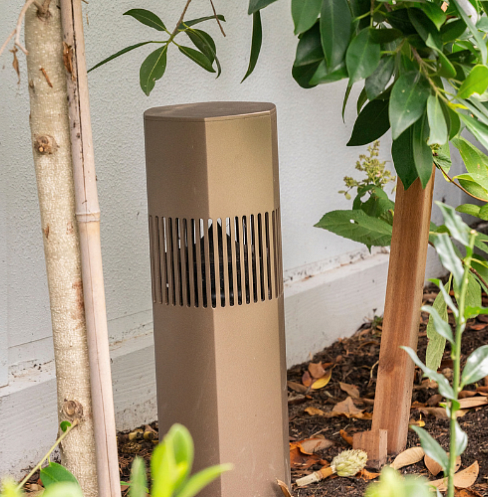
The house also looks after itself. Solar panels and a 60 kWh battery power the home, even in a blackout, and the electric car charges only when there is spare solar energy, unless the owner overrides it. Drinking water is treated from collected rainwater, the garden is watered according to the weather, and the pool and spa are part of the same system. Security cameras alert the owner to anyone in the grounds when the house is armed, and every entry is logged.
The finishing touches show the care. The owner can set how every motion sensor behaves during the day, the evening and late at night, so the house responds the way the family lives.



A customized electric locking solution was developed using an Abloy 402 lock installed in a non-standard configuration, eliminating visible hardware entirely while preserving full functionality.
Concealed subwoofer enclosures were designed in collaboration with the joinery team, mechanically isolated from the cabinetry with dedicated air pathways to prevent vibration while preserving correct acoustic performance.
Custom logic was developed in the Crestron processor so the most recently selected mode across any zone determines the global HVAC mode, automatically updating all zones while preserving their individual on/off states.
A bespoke advanced PIR system was developed defining three daily time periods (day, evening, late), with independently configurable timeout durations, active/disabled states, and scene assignments per sensor per period, fully editable by the client through the interface.