
By CEDIA - Wed, Mar 11, 2026 - Blog, Smart Devices/Appliances
Seasonal affective disorder (SAD) is a mental health problem that’s sometimes known as seasonal depression. A recent analysis suggested that around 1 in 20 people have the mood disorder. Typically, it causes feelings of depression during autumn or winter. However, some people experience worsening symptoms in summer.
In this guide, we’ll explore the importance of lighting for winter-pattern seasonal depression. We’ll also explain how this winter smart home improvement can help ease some SAD symptoms.
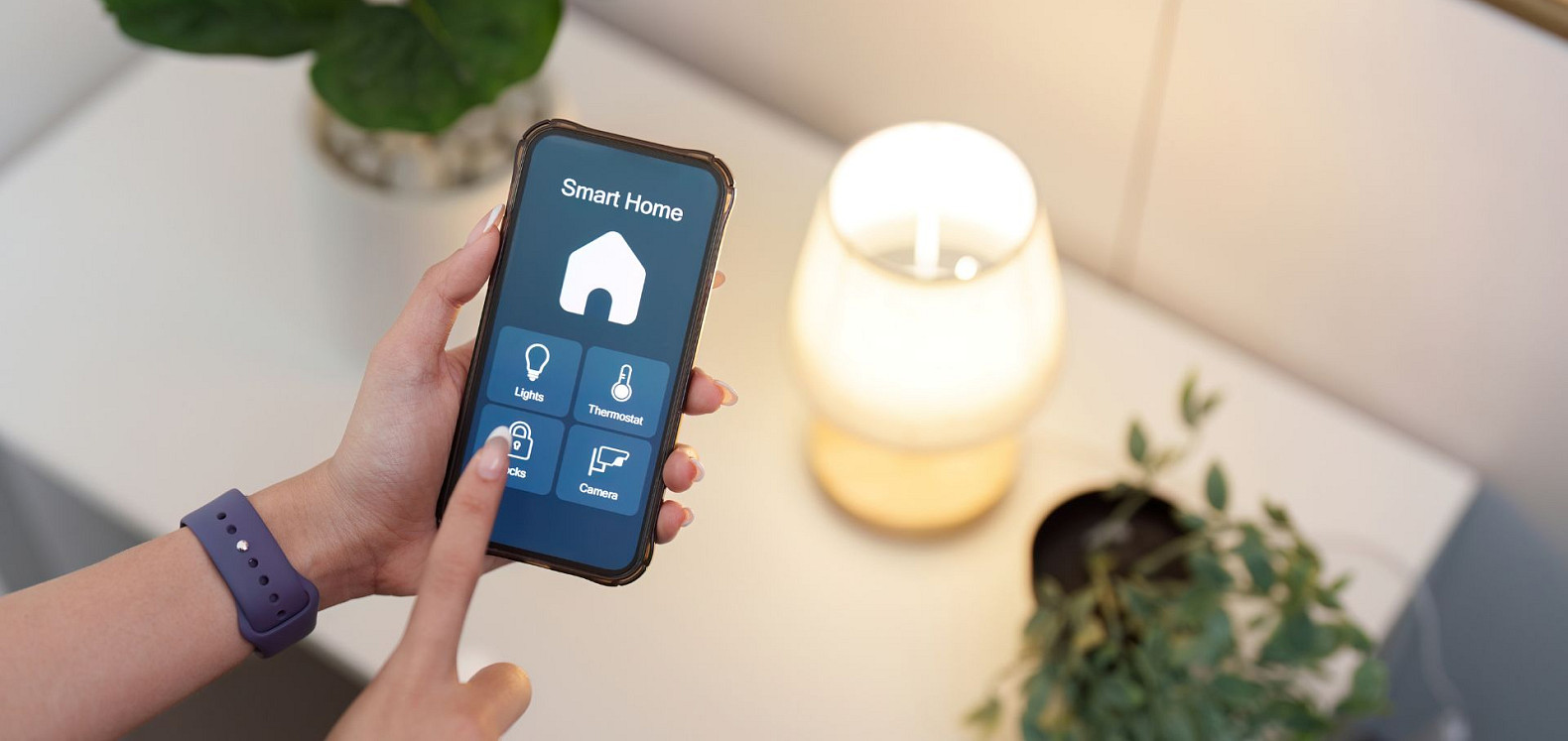
In the winter, daylight hours are shorter. As a result, we spend more time in darkness and fewer hours exposed to light. It’s thought that the reduced amount of light may disrupt the body’s internal clock (known as the circadian rhythm) and alter levels of neurotransmitters and hormones, such as serotonin, which affect moods.
While the exact causes of SAD aren’t yet fully understood, winter-pattern SAD is more common in those who experience shorter daylight hours. It tends to occur more frequently in people living in more northerly regions of the USA and those residing farther away from the equator.
As greater amounts of light loss seem to correlate with higher cases of SAD, it’s thought that enhancing light exposure can reduce some people’s symptoms. And that’s where smart lighting can play a part.
You can use smart lighting to simulate daylight, reducing the impact of shorter winter days. It’s one way that you can deploy smart tech to support your circadian wellbeing – something that’s worthwhile all year round for everyone but becomes extra important during certain seasons for those with SAD.
As smart technology continues to grow in popularity, it’s unsurprising that more people are exploring how technology can support our winter (and general) health. Circadian lighting, alongside automated heating solutions, can make winter a more comfortable time in your home.
Natural daylight is different to the light we see from a lightbulb. However, advances in technology mean it’s now possible to mimic natural light cycles through artificial sources.
With a well-configured smart lighting system, you can program the lights inside your home to replicate daylight. For example, you can use smart lighting in your bedroom to help you wake up with gradually increasing light that mimics sunrise (even if it’s still dark outside). Equally, you can dim the lighting in the evening to help you wind down.
Beyond timing, you can also adjust the warmth of lights. With tunable smart lighting, you can adjust colour temperature and brightness. Shifting from cool to warm white light will better replicate natural light. You can also utilise blue-toned lights to focus better. The right settings can help regulate your mood and focus.
Full-spectrum LEDs can stimulate serotonin production, which can reduce symptoms of SAD. By combining bulbs that mimic sunlight with timed routines, you’re setting up your home’s lighting to suit your body’s circadian rhythm. Effective smart lighting can improve your sleep, cognitive function, and overall wellbeing. The more in sync your home is with your circadian rhythm, the better.
When you’re choosing smart lighting for SAD, consider the following features:
A CEDIA-certified installer can advise you on the technical aspects to look for in your lighting that will ensure it will suit your smart ecosystem.
To achieve the best smart lighting for SAD, you’ll need to weigh up technical requirements and design elements. Do you want a SAD lamp by your bedside, automated daylight-mimicking lighting across your home, or both? The best lighting will depend on what kind of solution you’re looking for. The most advanced systems will require multiple elements that all need to work together for the best results.
The components of a smart lighting system can include:
With the right set-up, smart lighting will introduce more light into your life during the dark winter months. While anyone struggling with SAD should seek medical help, optimising your indoor lighting can be an effective solution alongside clinical treatments.
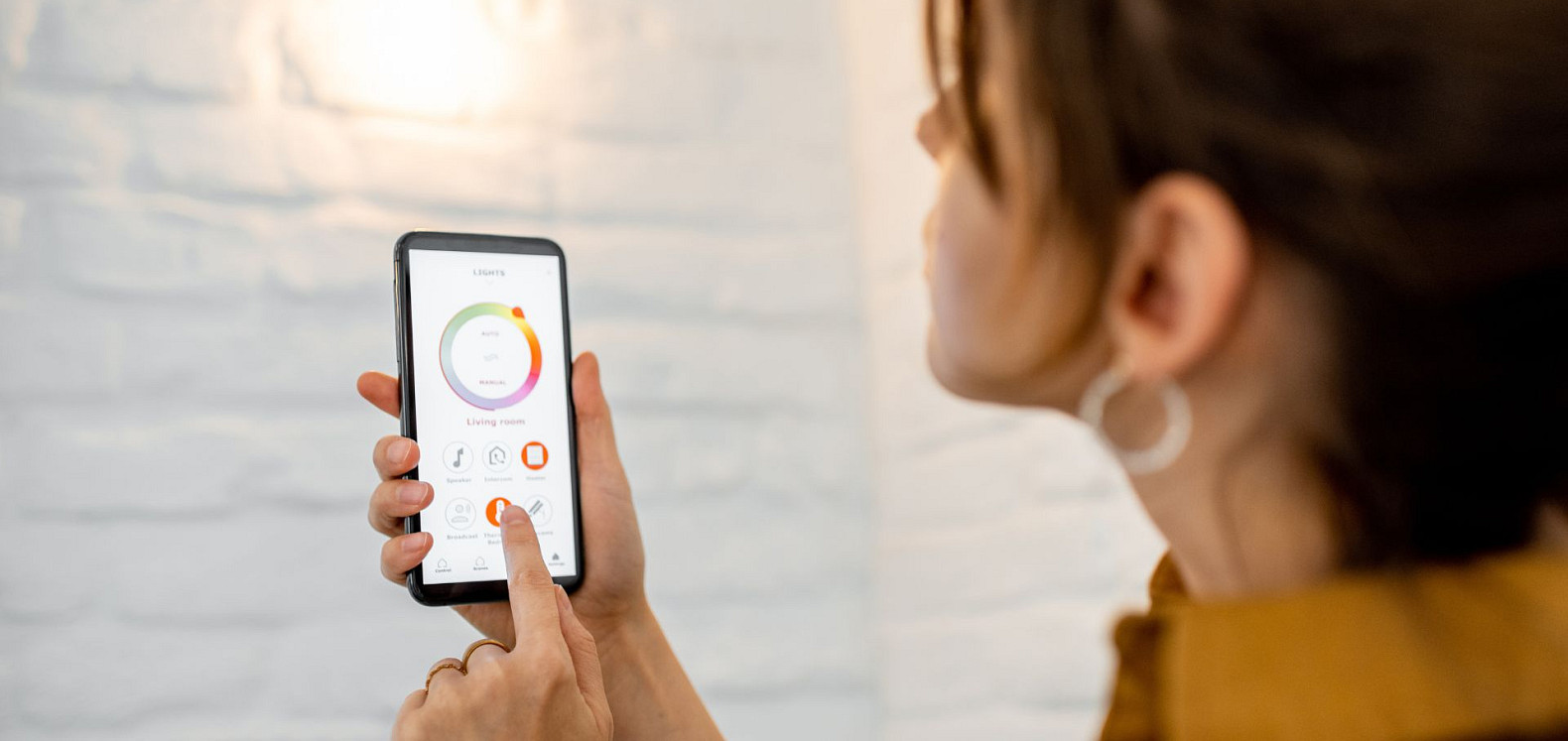
One of the ways you can use smart lighting to reduce some symptoms of seasonal depression is through programming routines that increase the amount of light in your day-to-day living.
You can use time-based automation to adjust your smart lighting so that you’re exposed to:
You can also use a smart lighting system to utilise different lighting in specific areas of your home. For example, if you have a home office, you can isolate cool and bright lights to this area to encourage alertness and productivity.
While smart lighting can help ease some feelings of winter blues, it’s different from clinical light therapy and is not a replacement for medical-grade solutions.
Clinical light therapy devices are specialised products that offer high amounts of exposure to lux (the measurement for illuminance). While lumens measure the total light output of devices, lux is specifically about how bright the light appears in a particular area. With a clinical-grade light box or SAD lamp, your body will see a high amount of lux when you are sitting near the device, which can ease SAD symptoms. You can buy these devices yourself, but you may need to consult a doctor about how often you should use them.
As we’ve outlined, you can use smart lighting to brighten your day (and dim your nights) to support your mood and sleep patterns. Having more exposure to ‘daylight’ and a better sleep cycle will ease some feelings of winter blues, but it’s not a clinical treatment for SAD. However, it could complement other, more intensive treatments.
While most smart lighting has lower lux levels than light therapy devices, one of the benefits of a smart lighting solution is that it can cover the whole home – and everyone who lives in it. Consistent ambient exposure may work well for you and your household over time, even if some people will still need individual sessions with high-lux light devices or other types of treatment.
Curious about creating your own SAD-supportive smart lighting system? Everyone’s needs are different, but our top tips for creating a set-up that works for you are:
A Smart Home Professional can help you set up and maintain your smart lighting system. A CEDIA-certified integrator can deal with even the most complex set-ups and ensure everything works with your other smart home tech. While you can buy individual smart bulbs and SAD lamps off the shelf, you’ll need a professional to create a home-wide smart lighting system.
Wed, Mar 25, 2026
Integrating Aromatherapy & Hydrotherapy In The Home
Wed, Mar 11, 2026
Smart Home Gesture Control for Accessibility
Wed, Mar 11, 2026
Bringing Life into Your Home with Smart Indoor Gardens
Wed, Mar 11, 2026
Best Smart Lighting For SAD
Tue, Mar 10, 2026
The Future of Cooking With Robotics and AI in the Kitchen
Wed, Feb 25, 2026
Smart Homes That Don’t Shout: Calm Tech & Ambient Design