
By CEDIA - Tue, Mar 10, 2026 - Blog
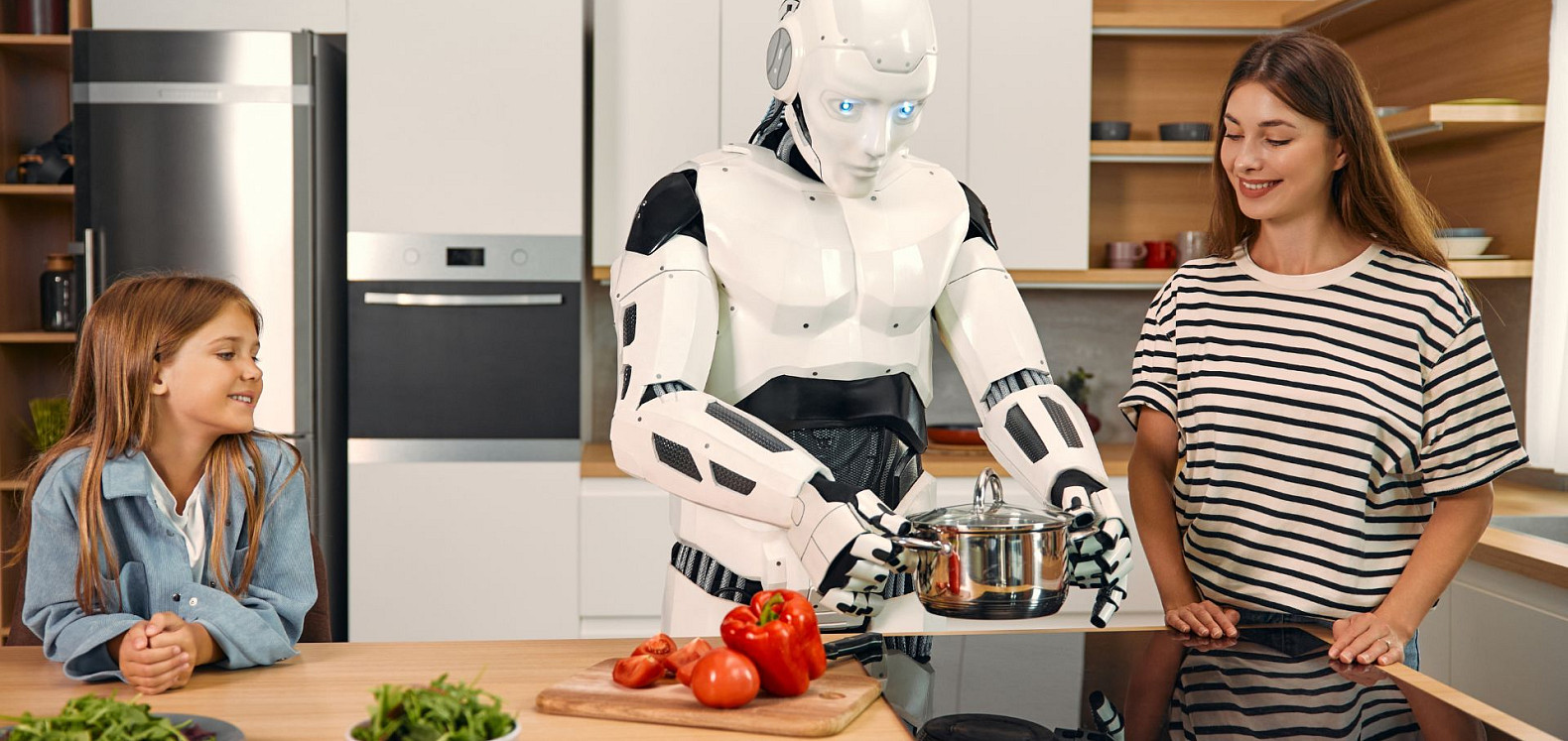
For many, the kitchen is the heart of the home. Now it’s becoming a key tech hub too, with AI-powered everyday appliances and the emerging concept of a robotic kitchen. Smart cooking technology is reshaping how we prepare food.
While robot chefs may still be in their infancy, integrated smart kitchens offer a glimpse into the future. Intelligent automation, voice control and data-driven cooking experiences are all already possible. With further developments and more AI kitchen appliances, robotic kitchens will continue to grow.
We’ll explore the future of the robotic kitchen, including how to embrace emerging tech and prepare for further changes.
A robotic kitchen is a cooking environment that uses automation, AI assistance and other technology advancements to prepare food.
While all smart kitchens embrace tech, those with kitchen robot chefs take it to another level. In a robotic kitchen, robots can carry out tasks without help. For example, automated bionic arms can chop vegetables, pick them up and carry them to a pan. In contrast, commercial gadgets (like electric food choppers) speed up processes but still need human intervention.
At the moment, most robotic kitchen equipment is for commercial use. For instance, robots ensure accuracy across large-scale food production. While it's not yet widespread, there's growing interest in residential use cases.
When using robotics in a personal kitchen, it’s important to consider how they fit within a smart home ecosystem. For example, a robot butler could serve food to those in the dining room. You can also connect kitchen tools to a wider setup, so that a homeowner can control a robot's cooking using the same device they use to adjust their home’s heating.
Although the most advanced kitchen robotics are for professional use, many homes have AI-enhanced kitchen appliances, including smart ovens, refrigerators and hobs. AI can help these devices learn from user behaviour and adapt. For example, if someone regularly opens a smart refrigerator at a certain time, it may learn to adjust its cooling cycle to save energy.
AI kitchen appliances use sensors, cameras and machine learning to identify issues, triggers and opportunities to improve processes. With these learnings, AI kitchen appliances can improve consistency, efficiency and food safety.
Cookers and fryers can automatically adjust cooking time and temperature. Smart fridges can remind owners of expiring products. Homeowners can receive an alert if they've left their freezer door open. These things can prevent food waste and ensure food's always cooked as desired.
Una cocina robótica es un entorno culinario que utiliza la automatización, la asistencia de la inteligencia artificial y otros avances tecnológicos para preparar alimentos.
Si bien todas las cocinas inteligentes incorporan tecnología, aquellas que cuentan con robots chefs llevan esta tecnología a otro nivel. En una cocina robótica, los robots pueden realizar tareas sin ayuda. Por ejemplo, los brazos biónicos automatizados pueden cortar verduras, recogerlas y llevarlas a una sartén. Por el contrario, los aparatos comerciales (como las picadoras eléctricas) aceleran los procesos, pero siguen necesitando la intervención humana.
Por el momento, la mayoría de los equipos de cocina robóticos son para uso comercial. Por ejemplo, los robots garantizan la precisión en la producción de alimentos a gran escala. Aunque aún no está muy extendido, existe un interés creciente por su uso en el ámbito doméstico.
Cuando se utiliza la robótica en una cocina personal, es importante tener en cuenta cómo encaja en el ecosistema de un hogar inteligente. Por ejemplo, un robot mayordomo podría servir la comida a los comensales en el comedor. También se pueden conectar los utensilios de cocina a una configuración más amplia, de modo que el propietario de la vivienda pueda controlar la cocina del robot utilizando el mismo dispositivo que utiliza para ajustar la calefacción de su hogar.
Aunque la robótica de cocina más avanzada es para uso profesional, muchos hogares cuentan con electrodomésticos de cocina mejorados con IA, como hornos, frigoríficos y placas de cocina inteligentes. La IA puede ayudar a estos dispositivos a aprender del comportamiento de los usuarios y adaptarse. Por ejemplo, si alguien abre regularmente un frigorífico inteligente a una hora determinada, este puede aprender a ajustar su ciclo de refrigeración para ahorrar energía.
Los electrodomésticos de cocina con IA utilizan sensores, cámaras y aprendizaje automático para identificar problemas, desencadenantes y oportunidades para mejorar los procesos. Con estos aprendizajes, los electrodomésticos de cocina con IA pueden mejorar la consistencia, la eficiencia y la seguridad alimentaria.
Las cocinas y freidoras pueden ajustar automáticamente el tiempo y la temperatura de cocción. Los frigoríficos inteligentes pueden recordar a los propietarios los productos que están a punto de caducar. Los propietarios pueden recibir una alerta si han dejado abierta la puerta del congelador. Estas cosas pueden evitar el desperdicio de alimentos y garantizar que la comida se cocine siempre como se desea.
Examples of smart kitchen technology include:
Like many standalone devices, these kitchen appliances are more powerful when brought together. By using an integrated system, you can simplify control and help devices 'talk' to each other. For example, the ventilation system will know to expect steam if the hob is on. Integration with smart lighting, audio and displays can also enhance cooking experiences. You can cook with bright lights for better visibility while watching a demonstration of your chosen recipe.
Kitchen robot chefs exist, but they're an expensive, emerging technology. Understandably, they remain out of reach for most homeowners. However, robotic arms are showing promise in professional environments.
AI-powered robotic arms can conduct repetitive and precise kitchen tasks. These robot chefs can prepare food and clean surfaces. There are also some specialist robots targeting specific skills. For example, high-heat kitchen robots can cope with the demands of stir-frying.
Automated cooking systems are another key feature of kitchen robotics. In commercial settings, they sometimes resemble humanoid robots that can stir and flip food. But in homes, they can come in the form of multi-functional countertop devices. With some, you select a recipe, add ingredients and then let the device do all the prep work and cooking.
While large and complex robotic devices will likely remain exclusive to commercial kitchens, there is a growing appetite for robotics in the home. As consumer readiness increases, we’ll likely see more modular and affordable robot chef solutions for residential kitchens.
| Type of kitchen robotics | Current state | Limitations | Outlook |
|---|---|---|---|
| AI-powered robotic arms | Used in professional kitchens for repetitive and precise tasks such as cleaning, food preparation and high-heat cooking (e.g. stir-frying). |
|
Likely to remain commercial-focused for the foreseeable future but could potentially adapt into modular systems for high-end residential kitchens. |
| Commercial automated cooking systems | Advanced systems capable of flipping, stirring and cooking food with minimal or zero human input. Typically, only used in professional kitchens. Some resemble humanoid robots. |
|
Continued refinement in commercial environments, with some features potentially then being seen in advanced consumer-friendly products. |
| Countertop automated cooking devices | Multi-functional devices automate food preparation and cooking tasks. |
|
Growing consumer appetite for robotics may lead to more home solutions, particularly in premium kitchen markets. As robotics become more widely adopted, the price point may also become more accessible. |

In a home, it’s beneficial to bring all smart technology into one system. It makes it easier to control every device in a central place. It also helps your smart devices interact with each other. For example, you could set up a trigger so that your kitchen's coffee maker turns on when you get in the shower.
Within the kitchen itself, integrating with smart home control systems supports hands-free cooking. Voice control can help you adjust appliances, lighting, ventilation and audio-visual systems without touch.
You can also program kitchen routines, such as ‘Evening entertaining cooking mode’. Perhaps you’d like music and lighting to create your desired ambience.
As with any smart home system, professional installation will improve its reliability and usability. The more devices you have, the more complexities and potential compatibility issues. CEDIA-certified Smart Home Professionals can make sure everything works as intended.
A Smart Home Professional will oversee many of the design, safety and practical considerations of installing a robotic kitchen. However, it’s still useful for homeowners to know what they'd like to achieve.
If you're considering a robotic kitchen, think about things like:
These are just a few of the things a certified installer will also consider. Professional design is critical for safe implementation. If you have any questions, ask your installer for advice. They should be able to offer reassurance. They’ll also identify solutions for issues you haven’t even thought of.
While some AI appliances are already available, more technological advancements are on the way. If you’re creating a smart kitchen, it's worth futureproofing it.
To prepare your kitchen for tech changes, consider infrastructure that has appropriate power connections, cabinetry and space for new devices. It’s also important to choose adaptable systems that can evolve as other robotics mature. With the help of a professional, you can create a smart kitchen that uses the best of today’s tech and remains ready to evolve.
The use of robotics and AI increases a smart home system’s complexity, which furthers the need for professional support.
Although it’s possible to use AI-enabled consumer gadgets without an integrator, you’ll need to use professional installers to create a cohesive smart kitchen ecosystem. Professional integrators can ensure interoperability between devices, enhanced security and longevity.
While fully autonomous robot kitchen chefs may still be emerging, AI-driven and robotic technologies are already transforming how we cook at home. With the help of CEDIA-certified Smart Home Professionals, today’s homeowners can enjoy smarter, safer and more personalised cooking experiences that lay the groundwork for the next iteration of kitchen robotics.

Wed, Mar 25, 2026
Integrating Aromatherapy & Hydrotherapy In The Home
Wed, Mar 11, 2026
Smart Home Gesture Control for Accessibility
Wed, Mar 11, 2026
Bringing Life into Your Home with Smart Indoor Gardens
Wed, Mar 11, 2026
Best Smart Lighting For SAD
Tue, Mar 10, 2026
The Future of Cooking With Robotics and AI in the Kitchen
Wed, Feb 25, 2026
Smart Homes That Don’t Shout: Calm Tech & Ambient Design