
By CEDIA - Wed, Mar 11, 2026 - Blog, Smart Devices/Appliances
Adding greenery to your home interiors enhances aesthetics. But did you know it can provide health benefits too? An indoor garden can improve air quality. Plus, many believe that biophilic design has a calming effect. In many ways, smart indoor gardens are the next evolution of wellness technology. So, not only does greenery look good, it can do good too.
Despite the benefits of houseplants, some homeowners avoid them due to maintenance concerns. Thankfully, smart innovations can ease some of the load. A professionally designed system can provide every plant with the care it needs – without intervention. Today’s technology goes beyond countertop gadgets that water individual plants while you’re away.
In this guide, we’ll explain indoor smart garden systems, their wellbeing benefits, hydroponic walls, the importance of professional installation, and more.
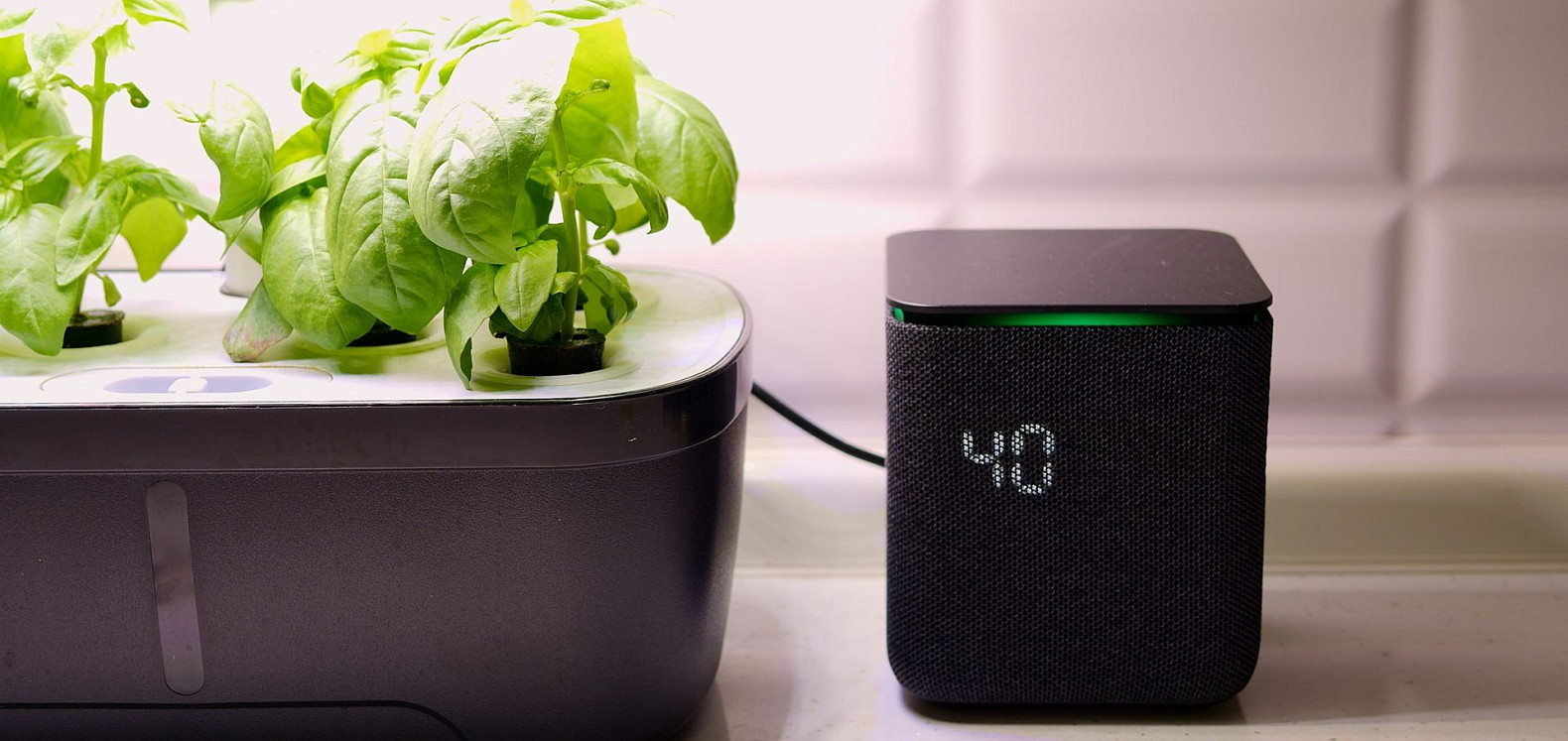
A smart indoor garden is a technologically enhanced collection of houseplants and greenery. It's a connected ecosystem that can comprise sensors, lighting, irrigation, and nutrient delivery. With smart tech, plants can thrive with minimal homeowner input.
Some gardeners already use tech, such as automated sprinklers, to take care of plants in outdoor spaces. A smart indoor garden works similarly. However, being indoors can make it easier to create a controlled environment.
A smart garden system monitors moisture levels, water flow, light spectrum, and nutrient levels. It then uses this information to make adjustments. The most sophisticated set-ups connect to smart home ecosystems. For example, if a temperature sensor detects that the room is too warm for plants, it will send a trigger to turn the heating off.
A smart indoor garden can consist of many elements and plant varieties, which together can have positive effects on a homeowner’s wellbeing.
Gardening can have health benefits for the body and mind. While smart indoor gardens require little physical maintenance, and therefore minimal exercise, they can still boost your wellbeing.
For example:
Smart indoor gardens can form an important part of a wellness-driven home that works well for its occupants. Whether you use smart tech to create large-scale hydroponic walls or smaller automated herb gardens, it can have positive effects.
A hydroponic wall is a type of soil-free living wall, which is a vertical garden.
You can use living walls to cover an outdoor or indoor wall with greenery. As hydroponic walls are soil-free, they're lighter and cleaner, which makes them a better option for smart indoor gardens. You can even use them to provide high-density plant growth in small spaces, such as apartments.
An efficient hydroponic wall system can automatically manage:
As hydroponic walls require various technical elements, professional installation is essential. A soil-free living wall needs correctly angled lighting, expert drainage design, sensor calibration, and integration with home controls to thrive.

Technology has taken indoor plant-growing beyond countertop herb planters. While plug-and-play hydroponic gadgets can be a great start for growing all-year-round edibles, a smart herb garden elevates this to another level.
With a fully integrated smart indoor garden, you can have:
An effective smart herb garden should bring your countertop plants into an ecosystem that will help them grow to their potential.
Professional integrators should design and manage smart indoor gardens. While standalone smart devices have their uses, an indoor garden requires a connected (and often complicated) set-up to survive.
A CEDIA-certified professional can ensure that your smart garden system has:
A professional set-up will also minimise the risk of damage from leaks, humidity imbalances, and poor DIY installation.
If you’re interested in creating a smart indoor garden:
Wed, Mar 25, 2026
Integrating Aromatherapy & Hydrotherapy In The Home
Wed, Mar 11, 2026
Bringing Life into Your Home with Smart Indoor Gardens
Wed, Mar 11, 2026
Best Smart Lighting For SAD
Wed, Mar 11, 2026
Smart Home Gesture Control for Accessibility
Tue, Mar 10, 2026
The Future of Cooking With Robotics and AI in the Kitchen
Wed, Feb 25, 2026
Smart Homes That Don’t Shout: Calm Tech & Ambient Design